
First impressions matter, especially for parents choosing a childcare center for their little ones. The exterior of your daycare is the very first thing families see, and it sets the tone for everything inside. A well-designed outdoor space does more than look attractive, it supports child development, encourages imaginative play, and builds trust with parents from the moment they pull into the parking lot.
Whether you are launching a new facility or refreshing an existing one, these daycare exterior design ideas will help you create an environment where children feel excited, safe, and ready to explore every single day.
Create a Safe Play Area
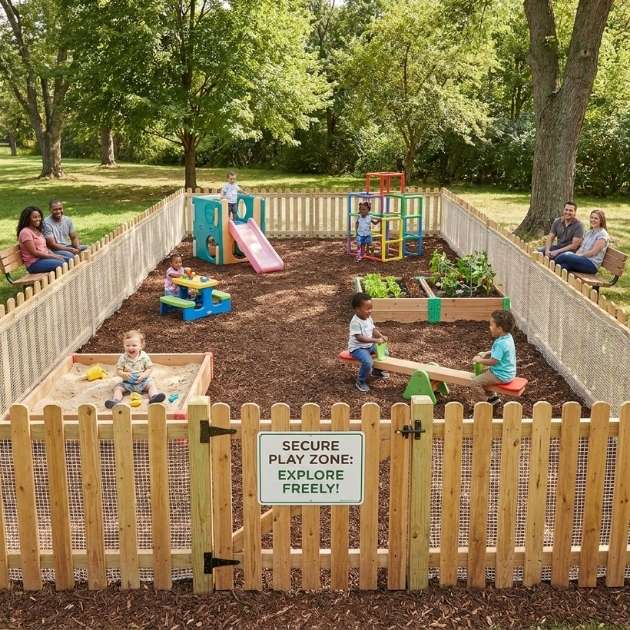
Safety is the foundation of any great daycare outdoor space. Before adding any decorative or educational elements, the physical boundaries and surfaces of your play area must be child-ready.
Key safety features to consider:
- Child-friendly perimeter fencing that is sturdy, climb-resistant, and free of sharp edges
- Rubber or wood chip ground surfacing under play structures to cushion falls
- Flat, well-drained terrain to prevent muddy puddles after rain
- Shaded zones using trees, pergolas, or covered equipment to protect children from harsh sun
Age-appropriate equipment matters too. Toddlers need shorter slides and low platforms, while school-age children benefit from taller climbing structures. Keeping pathways clear and wide enough for easy caregiver supervision is equally important.
Use Bright, Inviting Colors
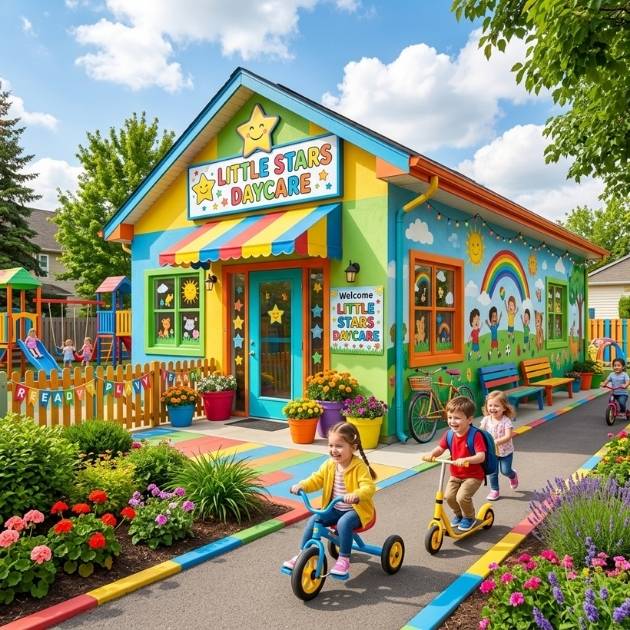
Color has a powerful effect on children’s moods and engagement levels. Vibrant exterior wall paint instantly boosts your daycare’s curb appeal and signals to passing families that this is a lively, welcoming place for kids.
Choosing the Right Color Palette
- Yellows and oranges promote energy and creativity in active play zones
- Blues and greens create calming effects near reading or rest areas
- Bold primary colors on fencing, gates, and signage improve visibility and add visual interest
Colorful exterior murals serve a dual purpose, they act as eye-catching advertising for your daycare brand while offering children an immersive, story-rich environment to explore.
Add Artistic Sculptures
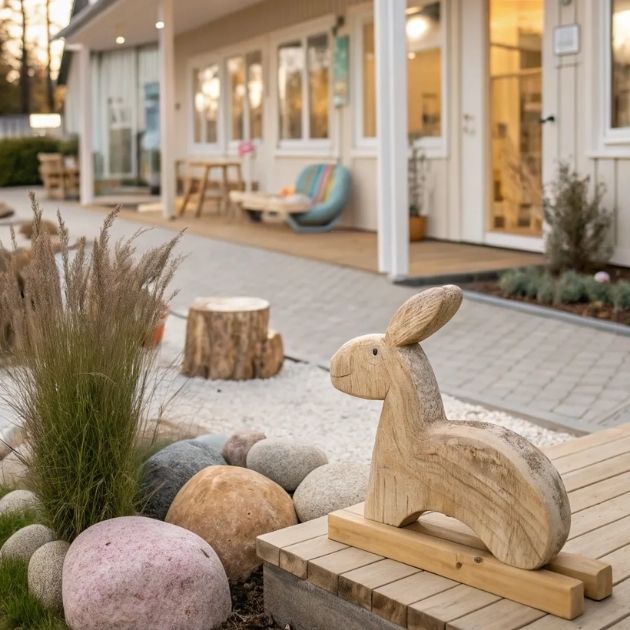
Artistic sculptures transform an ordinary outdoor space into a creative wonderland. When chosen thoughtfully, they function as both decorative pieces and interactive play elements.
Popular options include:
- Wooden animal sculptures that invite children to climb and touch
- Garden art statues of friendly characters, insects, or storybook figures
- Abstract shapes that encourage children to interpret and imagine freely
Materials matter here. Look for weather-resistant, non-toxic finishes that can handle sun, rain, and the enthusiastic hands of dozens of children every day. Sculptures spark curiosity and make your outdoor learning environment truly unforgettable.
Create Themed Zones

Dividing your outdoor space into distinct themed play zones makes the environment feel like a world of possibilities. Each zone can serve a different developmental purpose while keeping children engaged throughout the day.
Popular Themed Zone Ideas
- Space Explorer Zone: rocket-shaped climbing structures, star-painted pathways, and telescope props
- Jungle Safari Zone: animal sculptures, leafy plant borders, and earthy brown and green tones
- Underwater Adventure Zone: wave-shaped walls, fish murals, and blue rubber flooring
- Construction Zone: building blocks, ramps, and tool-shaped props for hands-on play
Themed zones also support early childhood learning by providing a backdrop for pretend play, storytelling, and role exploration, all critical components of cognitive and social development.
Create Cozy Nooks
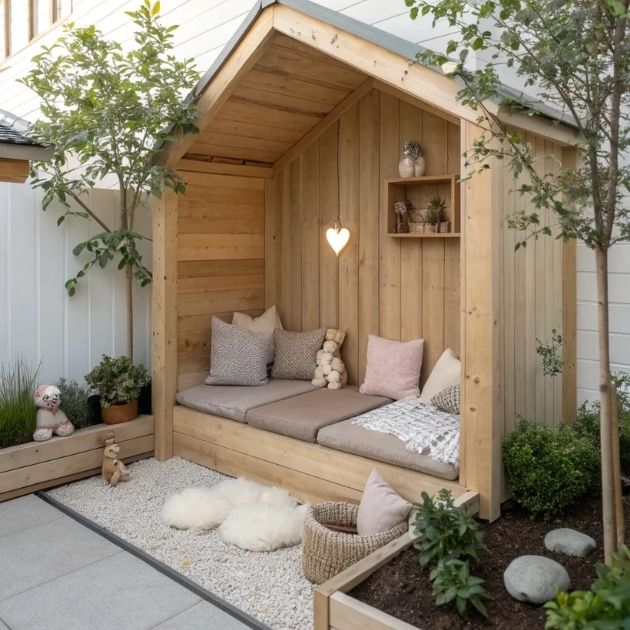
Every child needs a moment of calm during a busy day. Cozy nooks offer a quiet retreat where children can decompress, daydream, or enjoy small-group conversation away from the energy of the main play area.
Ideas for creating comfortable outdoor nooks:
- Tuck a small seating area under a shade tree for a naturally calming atmosphere
- Use low hedges, potted plants, or wooden panels to gently define the space without isolating children from supervision
- Add soft outdoor cushions and rugs to make the space physically comfortable
- Install a small teepee or canopy for an extra sense of magic and enclosure
These quiet corners are especially helpful for children who feel overstimulated, giving them a safe space to self-regulate and recharge.
Design Interactive Walkways

Walkways do not have to be purely functional. Turning pathways into interactive learning trails adds educational value to every step children take across your outdoor space.
Creative walkway ideas include:
- Hopscotch grids and number tracks painted directly onto the path
- Tactile pathway stones with varying textures to stimulate sensory exploration
- Animal footprint patterns leading children from one zone to another
- Alphabet or sight word trails embedded into the ground surface
Interactive walkways naturally encourage movement, curiosity, and even basic literacy and numeracy, all without formal instruction. They also make transitions between outdoor zones feel like part of the adventure.
Install a Reading Corner
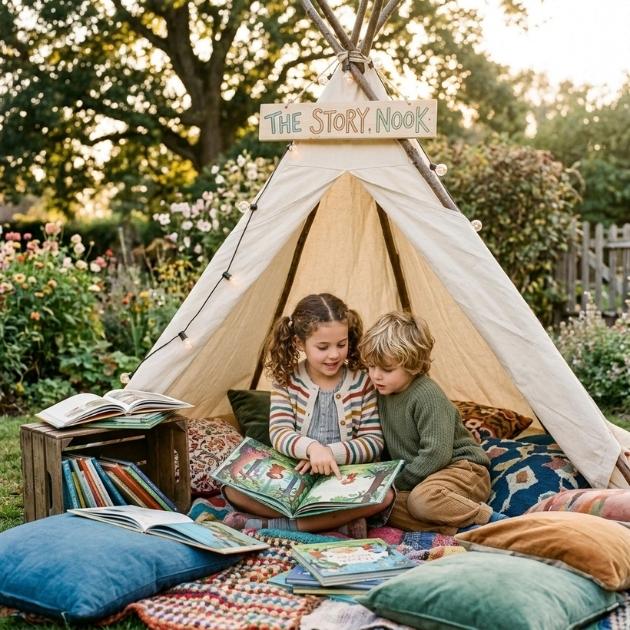
An outdoor reading corner gives children a love for books before they ever set foot in a classroom. Nestled in a sheltered, shaded spot, this area becomes a beloved daily destination for story time and quiet exploration.
What to Include in an Outdoor Reading Corner
- Child-sized chairs or benches made from weather-resistant materials
- A small bookshelf or book box stocked with age-appropriate titles
- A soft outdoor area rug for children who prefer to sit or lie on the floor
- String lights or a canopy to create a cozy, inviting atmosphere
Encourage caregivers and educators to use this space for group read-alouds throughout the week. When children see adults reading outdoors, it reinforces positive associations with books and storytelling.
Install a Sensory Garden
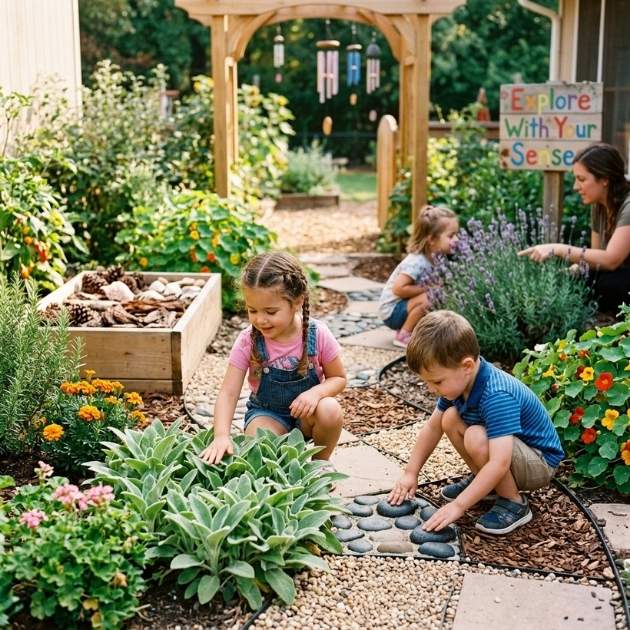
A sensory garden is one of the most developmentally rich additions you can make to any daycare exterior. It engages all five senses, sight, sound, smell, touch, and even taste, in a natural, low-pressure environment.
Elements of a well-designed sensory garden:
- Fragrant herbs and flowers like lavender, mint, and rosemary for olfactory stimulation
- Textured plants with soft petals, fuzzy leaves, and rough bark for tactile exploration
- Wind chimes or bamboo rattles to introduce gentle auditory elements
- Raised planting beds where children can grow vegetables and observe the life cycle of plants
- Edible plant sections for safe taste experiences under caregiver supervision
Research consistently shows that sensory garden play improves concentration, reduces anxiety, and strengthens children’s emotional regulation. It also builds a lasting appreciation for the natural world.
Incorporate Seasonal Decor

Keeping your daycare exterior fresh and dynamic throughout the year signals to families that your center is actively engaged and attentive to detail. Seasonal decor transforms your entrance and outdoor areas to reflect the time of year.
Simple seasonal updates to try:
- Autumn: pumpkins, warm-toned wreaths, and leafy garlands at the entrance
- Winter: evergreen branches, string lights, and snowflake window art
- Spring: flower baskets, bright planters, and butterfly-themed banners
- Summer: sunflower arrangements, colorful pinwheels, and outdoor bunting
Rotating decorations also give children something new to notice and talk about, supporting language development and seasonal awareness in a natural, joyful way.
Incorporate Water Features

Water has a naturally calming effect on both children and adults. A thoughtfully placed water feature adds soothing sounds, visual interest, and sensory play value to your daycare exterior.
Options to consider include:
- A small garden fountain that creates a gentle background sound
- A water table or splash pad for direct sensory water play during warm months
- Shallow stream features with smooth stepping stones for supervised exploration
Always prioritize safety. Any water feature in a daycare setting must be extremely shallow, surrounded by non-slip surfaces, and placed where caregivers can maintain clear sightlines at all times.
Install Chalkboard Walls

Few additions are as simple, affordable, and endlessly entertaining as outdoor chalkboard walls. Applied with weather-resistant chalkboard paint or installed as large chalkboard panels, these surfaces give children a blank canvas for daily creative expression.
Benefits of outdoor chalkboard walls:
- Support fine motor skill development through drawing and writing
- Encourage storytelling and collaborative art projects
- Provide an ever-changing display that reflects children’s creativity
- Allow educators to write outdoor learning activities or morning messages
Pair chalkboard walls with a generous supply of colorful chalk stored in a nearby weatherproof container. Children will return to these walls again and again, and no two days will look the same.
Integrate Interactive Installations
Interactive installations take your daycare exterior from ordinary to extraordinary. These are hands-on features that invite children to touch, manipulate, and engage directly with the environment around them.
Popular interactive installation ideas:
- Outdoor musical panels featuring xylophones, drums, and chimes for open-ended sound play
- Tactile walls with gears, spinning wheels, and textured surfaces
- Mirror panels at child height for self-discovery and imaginative role-play
- Storytelling boards where children can arrange removable characters and scenes
These installations engage multiple developmental domains at once, physical, cognitive, creative, and social, making every outdoor session a rich learning experience.
Final Thoughts
Designing a daycare exterior that works hard for children, educators, and parents is absolutely achievable with the right mix of intention, creativity, and practicality. From a safe, enclosed play area and vibrant color schemes to sensory gardens, chalkboard walls, and cozy reading nooks, every element you add contributes to a richer early childhood experience.
The best daycare outdoor spaces are not built overnight. Start with the essentials, safety, visibility, and weather protection, and layer in creative features over time. Involve your staff and even the children themselves in the process. The result will be an outdoor environment that families rave about and children genuinely look forward to every morning.
