
If you have been searching for a roof design that checks every box, beauty, durability, and standout curb appeal, a hip and gable roof combination might be exactly what your home needs. This hybrid roofline blends the structural strength of a hip roof with the classic elegance of a gable end, giving you a design that performs as well as it looks.
Whether you are building from scratch, planning a renovation, or simply looking for fresh inspiration, these 17+ stylish hip and gable roof combo ideas will help you find the perfect roofline for your home.
The Dutch Gable Twist
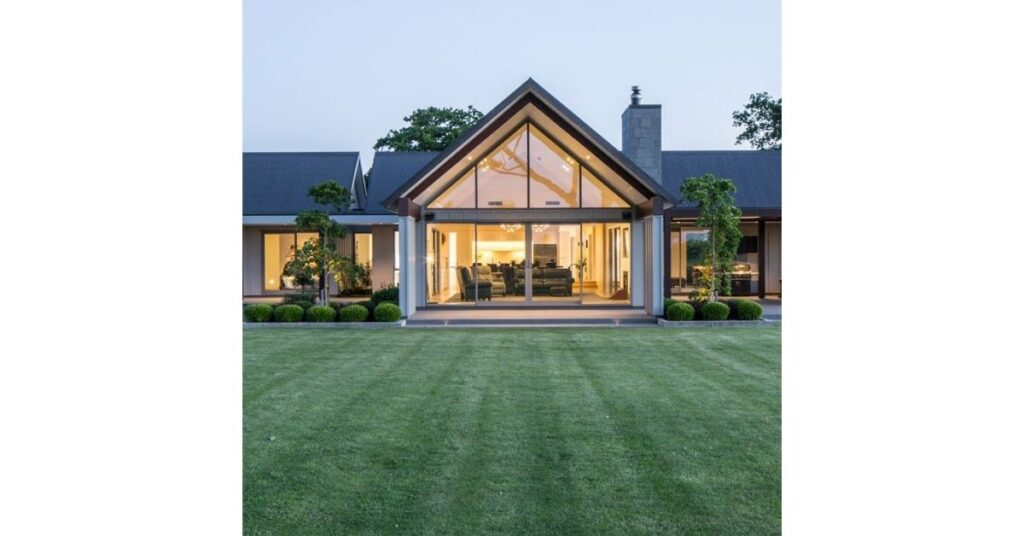
The Dutch gable roof, sometimes called a Dutch hip roof, is one of the most recognized hip and gable combinations in residential architecture. It features a hip roof base that transitions into a small gable section near the ridge, creating that signature layered silhouette. Originating in 17th-century Holland, this style has stood the test of time for good reason: it delivers better attic ventilation, adds visual character, and handles wind better than a standard gable.
This design works beautifully with both traditional and contemporary home styles. The small gablet at the top can be decorated with trim, vents, or even a small window to bring natural light into the attic space.
A few choices to try:
- Decorative Gable Trim Kits — These add architectural detail to your gablet and dramatically boost curb appeal.
- Synthetic Cedar Shake Roof Tiles — Lightweight, durable, and ideal for Dutch gable designs that need a classic look without the maintenance.
- Attic Ventilation Ridge Vents — Pair these with your gable end to maximize airflow and energy efficiency.
Classic Suburban Charm
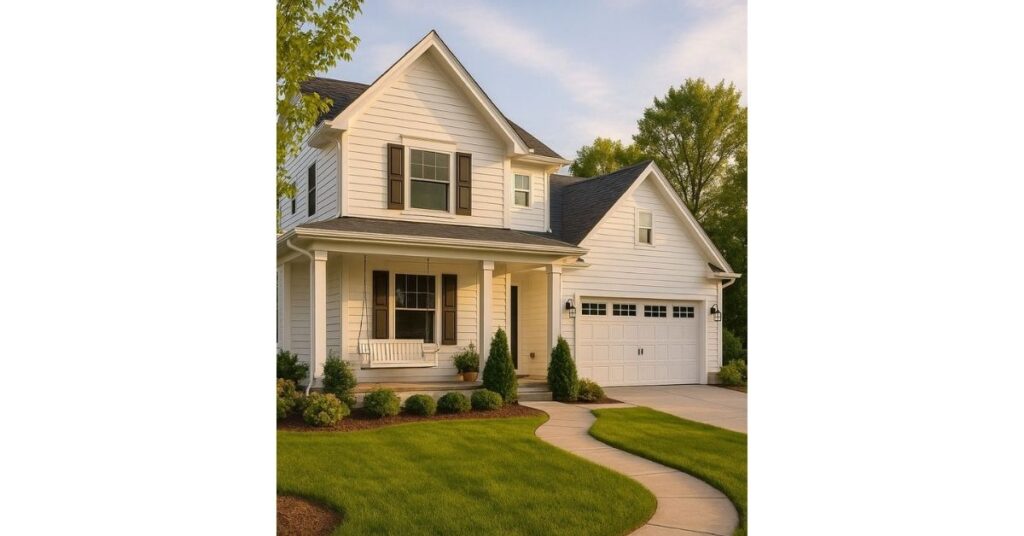
A timeless silhouette that stands proud in any neighborhood. Mixing a hip roof with a front-facing gable is one of the most popular approaches in suburban home design. This combination creates a clean, welcoming aesthetic that elevates the entire street presence of a property.
The gable front gives the home a sense of height and grandeur, while the hip sides wrap around to provide excellent structural stability. It is a look you have likely admired without quite knowing why — and now you can bring it home.
You might give these a try:
- Architectural Asphalt Shingles — Flexible enough for complex rooflines and available in dozens of colors to match any exterior palette.
- Decorative Roof Finials — Small details that sit at the peak of your gable and add an elegant finishing touch.
- Gable Trim Accent Boards — Frame your gable end with painted trim molding for that polished, well-appointed look.
Rustic Meets Modern
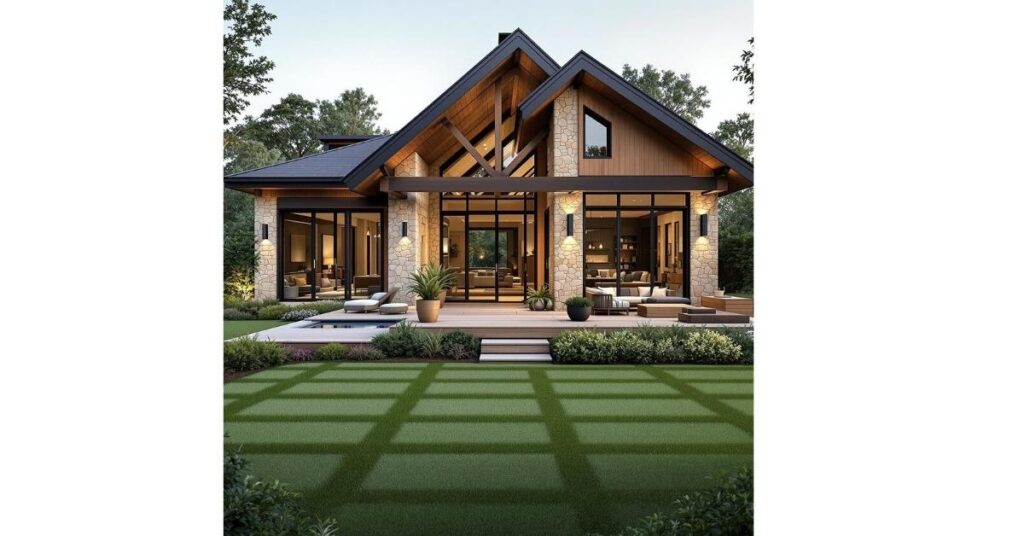
Some of the most compelling hip and gable roof combos today blend raw, natural materials with clean modern lines. Think cedar shake shingles over a steeply pitched hip roof with a bold gable front clad in board-and-batten siding. The contrast between rough texture and sharp geometry creates a home that feels grounded yet completely current.
This approach works especially well on Craftsman-style homes, farmhouse builds, and mountain retreats. The key is choosing materials that complement each other without competing.
Products that could assist:
- Cedar Shake Roofing Panels — Bring warmth and natural texture to any gable end or hip section.
- Metal Drip Edge Flashing — Essential for clean transitions between roof sections, especially on complex rustic-modern rooflines.
- Board-and-Batten Exterior Siding — A perfect textural partner for cedar shake roofing on gable ends.
Creating Dynamic Rooflines
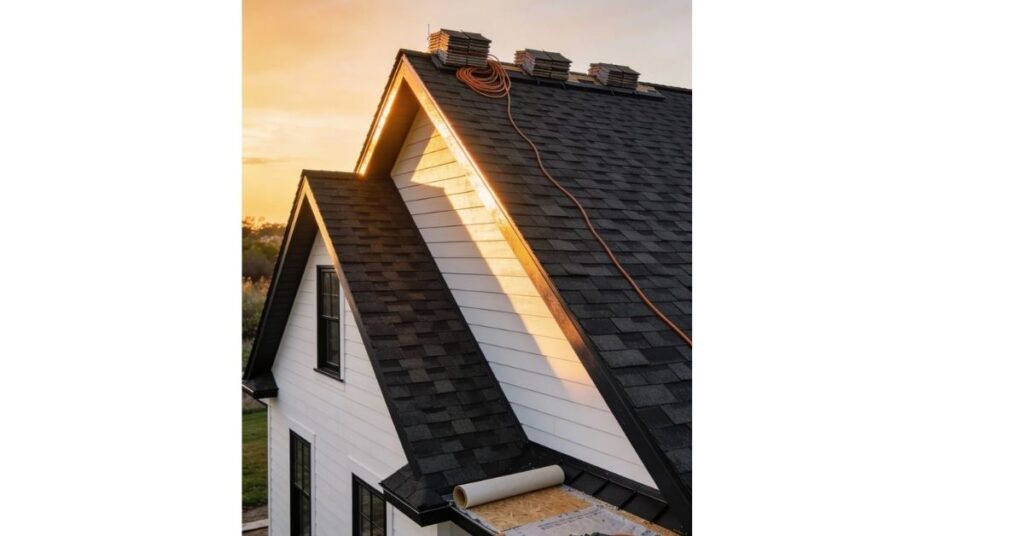
One of the biggest advantages of a hip and gable combo is the ability to create a multi-layered, dynamic roofline. By combining a cross-hipped base with gable dormers or projecting gable wings, you can break up the visual mass of a large home and give it depth and movement. This is particularly useful for wider, ranch-style floor plans where a single roofline can look flat and uninspiring.
Architects often use this approach to give bigger homes a more intimate, residential scale without reducing square footage.
Useful items to consider:
- Roof Truss and Framing Kits — Engineered for complex multi-ridge designs, these simplify the framing process for combo rooflines.
- Ridge Cap Shingles — Designed specifically for hips and ridges, providing a clean finish wherever two roof planes meet.
- Dormer Window Kits — Add natural light and vertical interest to any hip section of your roofline.
Garden House Appeal
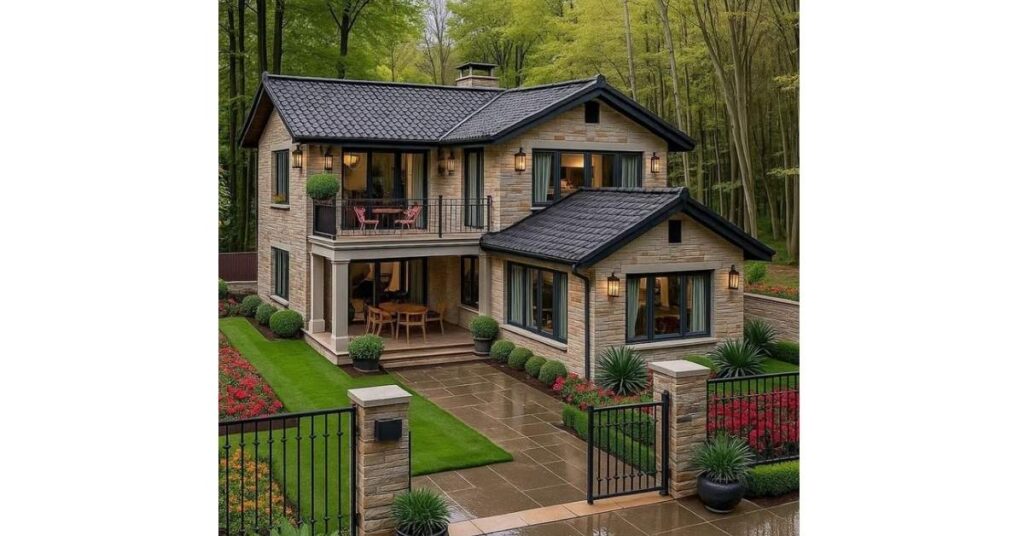
Hip and gable combos are not reserved for primary residences. Backyard studios, she-sheds, garden houses, and guest cottages all benefit enormously from this dual-style approach. A simple gable front with hipped sides gives even a small outbuilding a sense of permanence and craftsmanship that flat or single-pitch roofs simply cannot match.
This is a popular choice among homeowners who want their backyard structures to complement the main house without looking like afterthoughts.
These products might help:
- Mini Roof Truss Sets — Pre-engineered trusses designed for smaller outbuildings with hip and gable framing needs.
- Polycarbonate Skylight Panels — Install these in the gable end to flood a garden studio with natural daylight.
- Pressure-Treated Roof Decking Boards — Moisture-resistant and ideal for outdoor structures exposed to the elements.
Wind-Resistant Beauty
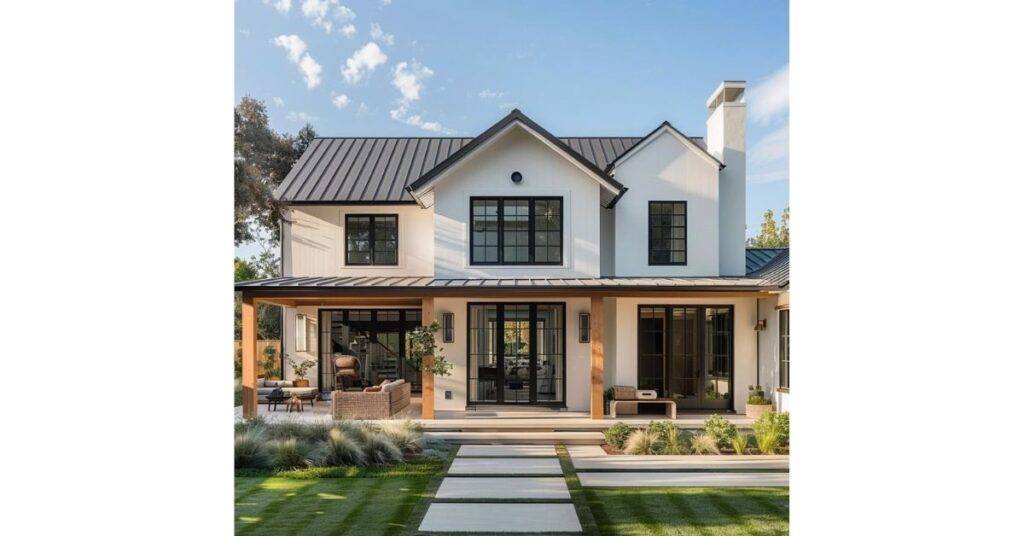
One of the primary reasons homeowners choose a hip and gable hybrid is wind performance. Hip roofs are aerodynamically superior because all four sides slope downward, reducing the surface area exposed to strong gusts. When you combine this with a gable end, you still get the aesthetic benefit of that triangular peak while retaining most of the wind-resistant properties of a full hip design.
This is especially valuable in coastal regions, open plains, and storm-prone climates where rooflines need to handle serious weather.
A few suggestions:
- Hurricane Straps and Rafter Ties — These metal connectors dramatically improve the roof-to-wall connection, critical in high-wind zones.
- Impact-Resistant Shingles (Class 4) — Rated for extreme weather, these are a smart upgrade on any wind-exposed roofline.
- Synthetic Roofing Underlayment — A heavy-duty moisture barrier that protects your structure if surface shingles are ever compromised.
Symmetry with a Twist
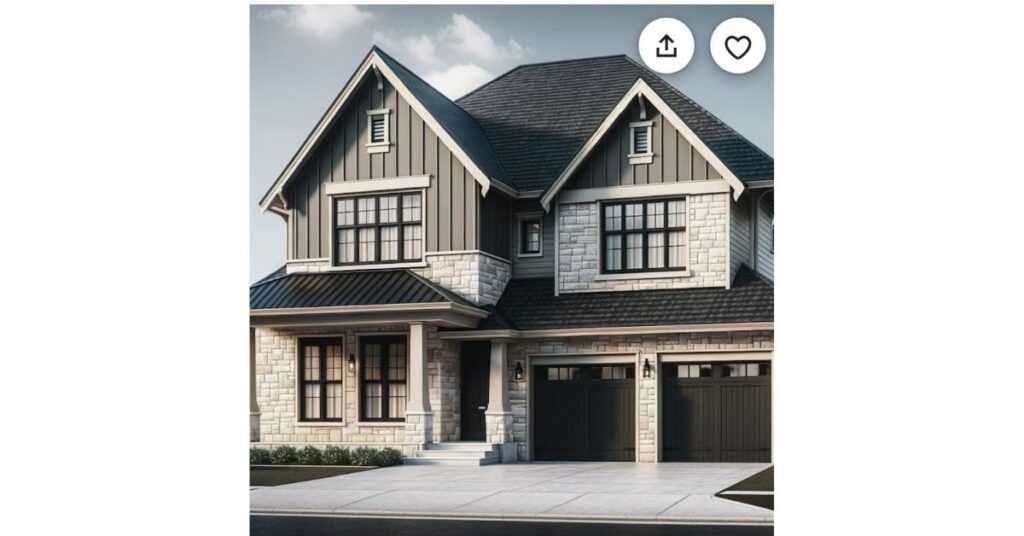
The half-hip or clipped gable is a variation worth knowing. It takes a standard gable and trims the top corners with a small hip section, softening the roofline and improving wind resistance without fully abandoning the gable profile. The result is a roof that feels balanced and refined — symmetrical from the front but more complex and interesting from the sides.
This subtle twist works particularly well on Colonial, Craftsman, and transitional-style homes where you want architectural sophistication without an overly busy silhouette.
Consider these options:
- Clipped Gable Framing Plans — Custom-engineered drawings take the guesswork out of this intricate roof style.
- Copper Gutter Systems — Complement the refined lines of a clipped gable with elegant, long-lasting copper gutters.
- Exterior Trim Paint (Premium Grade) — A crisp, contrasting trim color emphasizes the geometry of your hybrid roofline beautifully.
Eco-Friendly Elegance
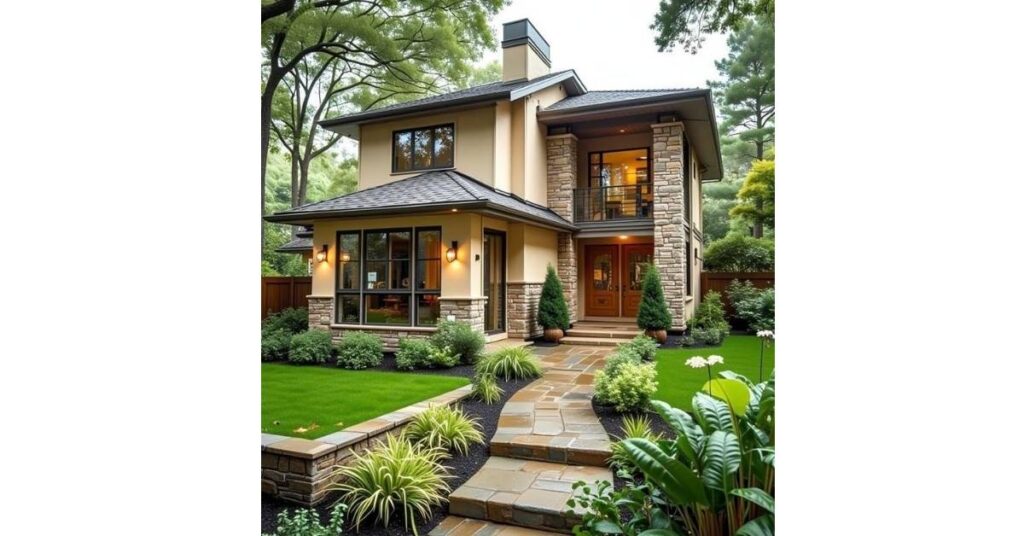
Sustainable home design and beautiful rooflines are not mutually exclusive. A hip and gable combination can be paired with eco-conscious materials like recycled synthetic tiles, metal roofing, or cool-roof coatings to reduce your home’s environmental footprint. Gable ends in this configuration can also accommodate solar panels with excellent sun exposure while the hip sections handle weather-shedding duties.
Green building enthusiasts often find that hip and gable combos maximize both solar efficiency and rainwater collection potential.
A few relevant products:
- Recycled Composite Roof Tiles — Made from reclaimed materials, these mimic the look of slate or cedar shake with zero deforestation.
- Solar-Ready Roof Mounting Rails — Pre-installed rails that make future solar panel integration seamless on hip or gable sections.
- Cool Roof Reflective Coating — Applied over your existing roofing, this reduces heat absorption and lowers cooling costs year-round.
Porch Perfection
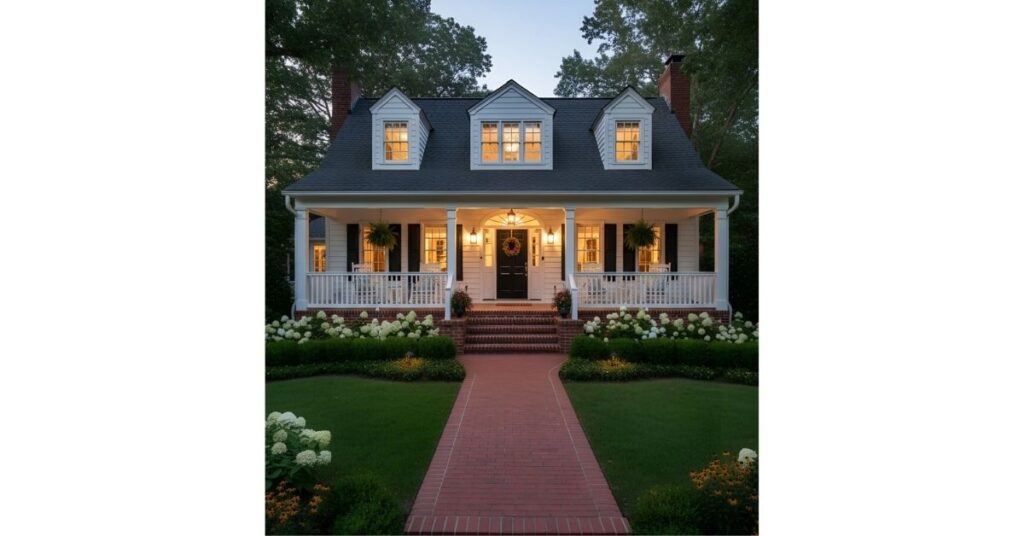
A front porch capped with a hipped roof and framed by a bold gable above the entry is one of the most welcoming architectural combinations in residential design. This layered approach creates visual depth at the facade — the lower hip over the porch feels protective and intimate, while the upper gable adds height, light, and personality.
It is the kind of entry that makes guests stop and admire before they even ring the doorbell.
Possibly handy products:
- Decorative Outdoor Pillar Wraps — Dress up structural porch columns to match the elevated character of your gable-and-hip entry.
- Outdoor Porch Ceiling Fans (Damp-Rated) — Keep your covered porch comfortable through warm months while blending seamlessly with the roofline above.
- Weatherproof Recessed Porch Lighting — Flush-mount fixtures that tuck neatly into your hip porch ceiling for clean, functional illumination.
An International Flair
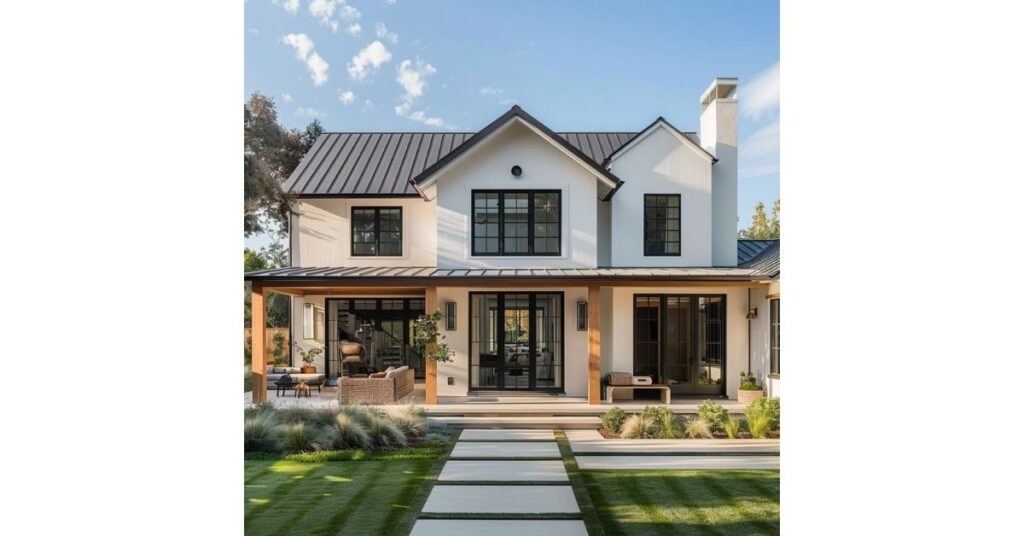
Global architectural traditions have long embraced hybrid roof styles. Mediterranean homes often blend hipped roofs in terracotta tile with open gable ends and arched details. Spanish Colonial Revival properties pair wide hip eaves with decorative gable parapets. Even Japanese architecture uses complex hip-gable hybrids in its traditional irimoya roof style.
Drawing from these international design languages, you can create a home with unique character that transcends any single regional style.
Items that may come in handy:
- Terracotta Roof Tiles — The defining material of Mediterranean and Spanish Colonial rooflines, durable and deeply beautiful.
- Wrought Iron Exterior Accents — Railings, lanterns, and gable ornaments that reinforce an international aesthetic.
- Mediterranean-Style Wall Sconce Lighting — Frame your gable end and entry with fixtures that complete the global design story.
Crafting Character
The jerkinhead roof, also known as a clipped gable or half-hip, deserves its own mention as a character-rich option within the hip and gable family. This style was commonly used in Arts and Crafts bungalows and English cottage architecture, and it still carries that same handcrafted, thoughtful quality today.
Using a jerkinhead gives your home a profile that feels entirely unique — neither purely hip nor purely gable, but something memorably its own.
Maybe worth checking out:
- Architectural Roof Shingles (Dimensional) — Thicker, multi-layered shingles that add shadow lines and depth to a character-driven roofline.
- Roof Ridge Vent (Continuous) — Improves airflow along the entire ridge while maintaining a low-profile, clean appearance.
- Exterior Wood Stain (Semi-Transparent) — Ideal for staining visible gable rafter tails or exposed timber details common in Arts and Crafts designs.
Seamless Transitions
When two roof planes meet — hip to gable, addition to original structure — the transition zone is where design quality either shines or falls apart. Thoughtful flashing, well-matched materials, and careful trim detailing at valleys and ridges make all the difference. The best hip and gable combos look like they always belonged together, not like separate elements stitched into one roofline.
This is where hiring an experienced roofer and, ideally, an architectural designer, pays for itself many times over.
A few helpful options:
- Exterior Trim Molding (Flexible PVC) — Bridges the visual gap between different roof sections and profiles cleanly.
- Step Flashing Kits — Properly waterproofs the junction between a new gable addition and an existing hip roofline.
- Roof Valley Flashing (W-Style) — Channels water efficiently through the valley where hip and gable planes intersect.
Cottage Charm
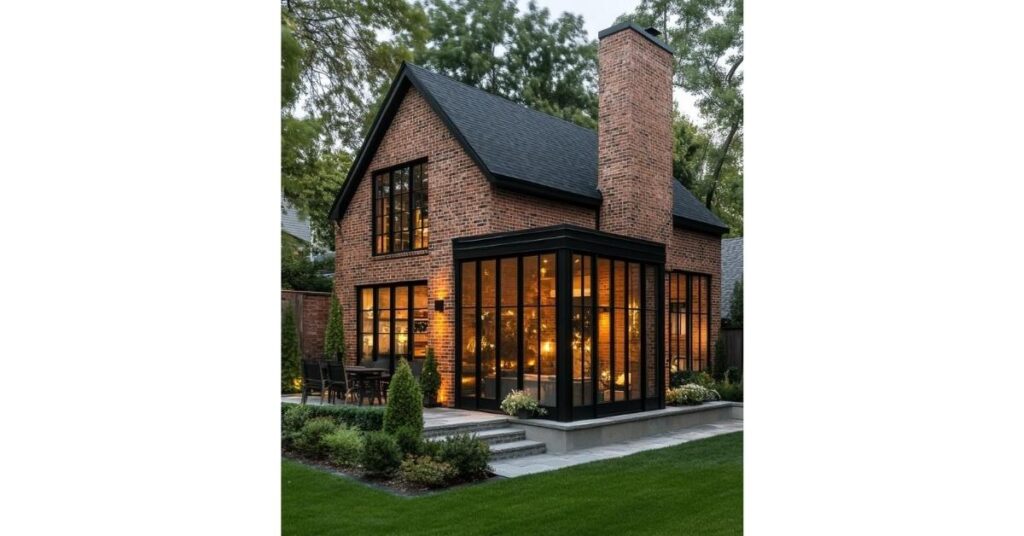
Nothing captures the warmth of cottage living quite like a steeply pitched gable above a wide-eaved hip roof. This combination wraps the home in an embracing silhouette that feels both sheltered and inviting. Add a front window in the gable, a rocking chair on the hip-roofed porch, and climbing roses up the exterior, and you have a picture-perfect retreat.
Cottage-style hip and gable combos tend to favor natural materials, warm colors, and soft details that feel personal and handmade.
Possibly helpful picks:
- Rustic Lantern-Style Outdoor Sconce Lights — Warm amber lighting that reinforces the cottage character at the gable end entry.
- Decorative Porch Planters (Cedar or Composite) — Frame your hip porch with lush container gardens that soften the roofline from the ground up.
- Cottage-Style Shutters — Painted shutters flanking gable-end windows complete the storybook look effortlessly.
Backyard Bliss
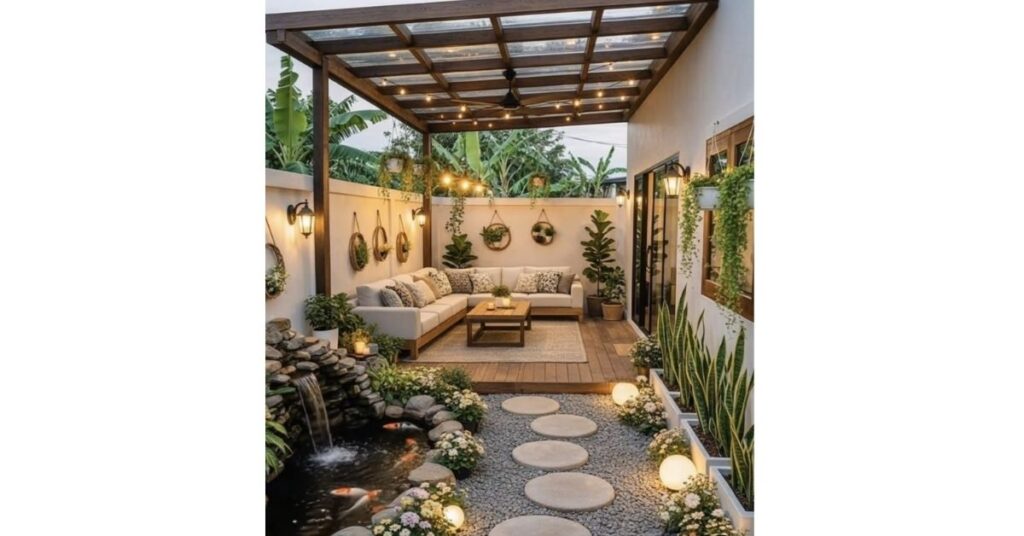
Extending a hip and gable roofline philosophy to your outdoor structures ties your entire property together visually. A backyard pavilion with hipped sides and an open gable end, a poolside cabana with a clipped gable roof, or a detached garage with a Dutch gable detail — each of these transforms a functional outbuilding into a design feature.
Cohesive rooflines across a property increase perceived value and create a sense of intentional, well-designed living.
Might be a good match:
- Pre-Cut Pavilion Roof Framing Kits — Designed for backyard structures with hip and gable configurations, these simplify the build.
- Stained Cedar Fascia Boards — Match your backyard structure’s fascia to the main house for a unified roofline language.
- Weatherproof Outdoor Ceiling Boards (PVC) — Line the underside of your hip-roofed porch or pavilion ceiling for a clean, finished look that resists moisture.
Urban Sophistication
City lots and urban homes benefit from hip and gable combos because they allow architects to maximize roofline interest on narrower facades. A steep, narrow gable at the front with a hipped rear section manages rainwater beautifully while giving the street-facing elevation dramatic visual energy.
This approach is common in contemporary row houses, urban infill projects, and modern townhomes where the roof is a key part of the architectural identity.
Some handy options:
- Standing Seam Metal Roofing (Matte Finish) — Clean, modern, and extremely long-lasting — a perfect match for urban hip and gable designs.
- Zinc or Copper Flashing — Upscale flashing materials that age gracefully and signal quality at every roof transition point.
- Black-Framed Gable Windows — A bold, contemporary touch that makes a narrow urban gable end feel intentional and stylish.
The Mountain Lodge
Mountain homes live under some of the most demanding roofing conditions on earth — heavy snow loads, freeze-thaw cycles, high winds, and intense UV exposure. A steep hip and gable combination handles all of these challenges well. The steep pitch sheds snow quickly, the hip sections resist wind uplift, and the gable ends can accommodate large windows that frame breathtaking mountain views.
This is a roofline that earns its keep in every season while delivering that quintessential lodge aesthetic.
Some ideas to consider:
- Snow Guards for Metal Roofing — Prevent dangerous avalanches of snow from sliding off steep hip sections onto walkways below.
- High-Load Roof Truss Systems — Engineered for the heavy snow and wind loads common in mountain regions.
- Insulated Rigid Foam Roof Sheathing — Improves thermal performance significantly on steep, exposed mountain rooflines.
Contemporary Flair
Modern architecture has fully embraced the hip and gable combination, reinterpreting it through clean geometry, bold material contrasts, and minimal ornamentation. Think of a flat-top gable clad in dark metal panels projecting from a low-slope hip roof finished in white TPO membrane, two completely different vocabularies working together because the proportions and transitions are handled with precision.
Contemporary hip and gable combos succeed when material quality and detailing are prioritized over complexity.
A few things you might like:
- Dark Corrugated Metal Roofing Panels — A bold, industrial-meets-modern material choice that makes a contemporary gable end pop.
- Fiberglass Flat-Roof Membrane (White) — Low-slope hip sections finished in reflective white membrane stay cooler and look architecturally intentional.
- Minimalist Aluminum Fascia Capping — Thin, clean aluminum trim wraps your roofline edges in a contemporary material with zero maintenance.
FAQ’s
What is a hip and gable roof combination?
It is a roofline that blends a hip roof (with all four sides sloping) and a gable roof (with a triangular end peak) into a single, unified design.
Is a hip and gable combo more expensive than a standard roof?
Yes, generally. The added complexity in framing and material transitions increases labor and material costs compared to a simple gable or hip roof alone.
Which is better for wind resistance, hip or gable?
Hip roofs outperform standard gables in high-wind conditions. A hip and gable combo offers a good middle ground, especially the Dutch gable and clipped gable variations.
Can I add a gable to an existing hip roof?
Yes, but it requires structural planning and professional framing. Always work with a licensed contractor and obtain proper permits before modifying an existing roofline.
What roofing materials work best for hip and gable combos?
Asphalt architectural shingles, metal roofing, cedar shake, and synthetic composite tiles all work well. Material choice should match your climate, budget, and aesthetic goals.
Does a hip and gable roof increase home value?
Yes. A well-designed hip and gable combination improves curb appeal, structural performance, and perceived quality, all of which contribute positively to resale value.
Conclusion
A hip and gable roof combination gives you the best of two iconic roof styles in a single, cohesive design. Whether you lean toward the historical elegance of a Dutch gable, the rustic warmth of cedar shake on a mountain lodge, or the crisp geometry of a contemporary urban roofline, there is a combination here that fits your vision and your climate.
The key is planning carefully, working with experienced professionals, and choosing materials that complement each other across every transition point. When done right, this roofline does not just cover your home, it defines it.
