
Noise pollution is one of the biggest disruptions to a comfortable home. Whether it’s traffic rumbling outside, a noisy neighbor, or sound traveling between rooms, unwanted noise affects sleep, focus, and overall well-being. The good news? You do not need to knock down walls or spend a fortune to fix it.
This guide covers 16 proven soundproofing ideas that work for renters and homeowners alike. From soft furnishings to acoustic panels, these solutions reduce noise transmission, improve room acoustics, and create the peaceful environment you deserve.
Incorporate Soft Furnishings

Hard surfaces reflect sound and make a room noisier. Soft furnishings, on the other hand, absorb sound waves and reduce echo significantly.
Add items like:
- Upholstered sofas and armchairs
- Velvet or fabric throw pillows
- Padded headboards in bedrooms
- Fabric curtains on interior walls
Even rearranging your existing furniture can help. Pushing a large sofa against a shared wall adds mass and creates a natural sound barrier between you and your neighbor.
Add Acoustic Panels
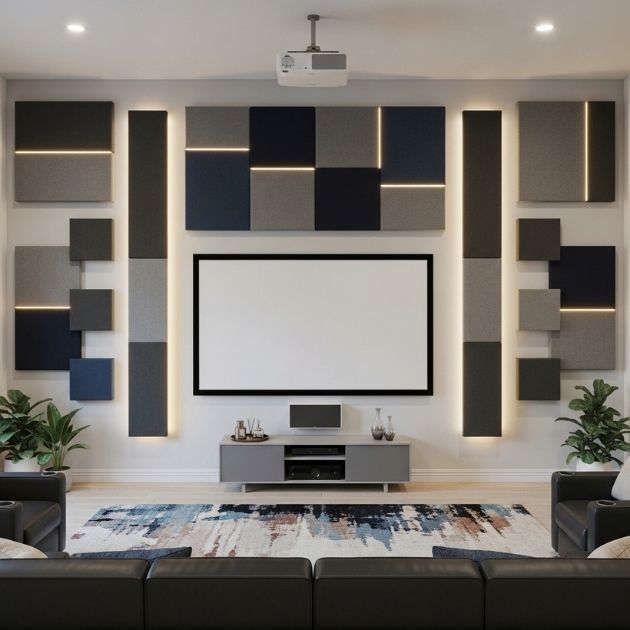
Acoustic panels are one of the most effective ways to reduce noise inside a room. They absorb mid- and high-frequency sounds, cutting down echo and reverb.
Tips for best results:
- Look for panels with an NRC (Noise Reduction Coefficient) rating of 0.7 or higher
- Place them on the wall facing your main noise source
- Fabric-wrapped panels blend into home decor better than foam tiles
- Space them evenly rather than clustering them in one spot
You can also DIY acoustic panels using rigid mineral wool wrapped in breathable fabric for a fraction of the retail cost.
Use Soundproof Curtains
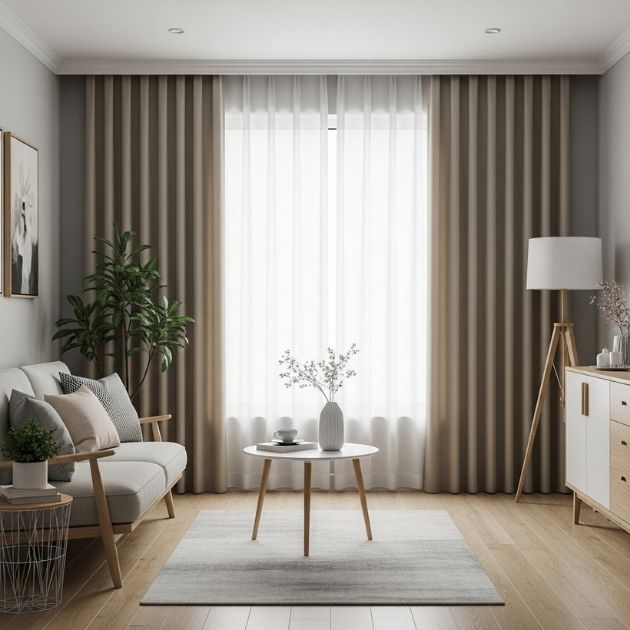
Soundproof curtains, also called acoustic or blackout curtains, are a renter-friendly and affordable fix. They are made from dense, heavy fabric that absorbs sound before it bounces around the room.
Benefits of soundproof curtains include:
- Blocks external noise like traffic and street activity
- Helps with thermal insulation, lowering energy bills
- Easy to install with a standard curtain rod
- Available in a wide range of styles and colors
For maximum noise reduction, hang the curtains as close to the ceiling as possible and let them pool slightly on the floor to seal any gaps.
Seal Gaps with Acoustic Caulk
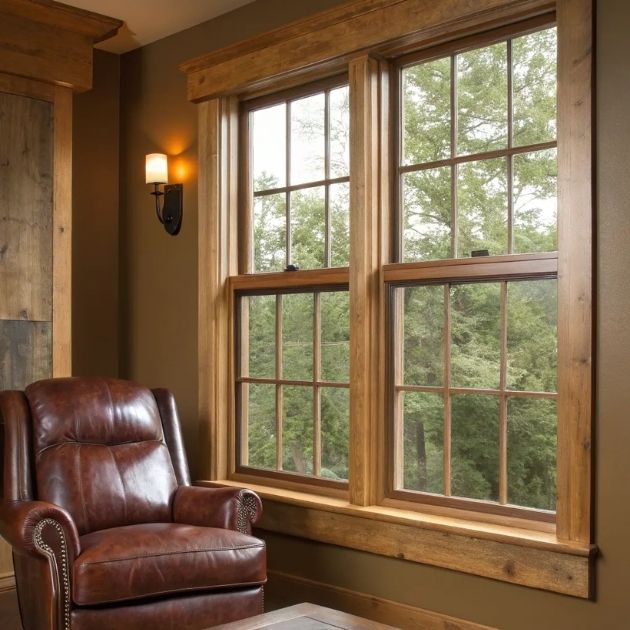
Gaps around windows, door frames, and baseboards are one of the most overlooked causes of noise leakage. Even a small crack can allow a surprising amount of sound to travel through.
Acoustic caulk (also called soundproofing sealant) stays flexible after drying, which means it does not crack over time like standard caulk. Apply it to:
- Gaps between the window frame and wall
- Around door frames
- Along baseboards and skirting boards
- Electrical outlet gaps on shared walls
Weatherstripping on doors and windows works alongside caulk to further reduce air gaps and sound transfer.
Install a Solid-Core Door
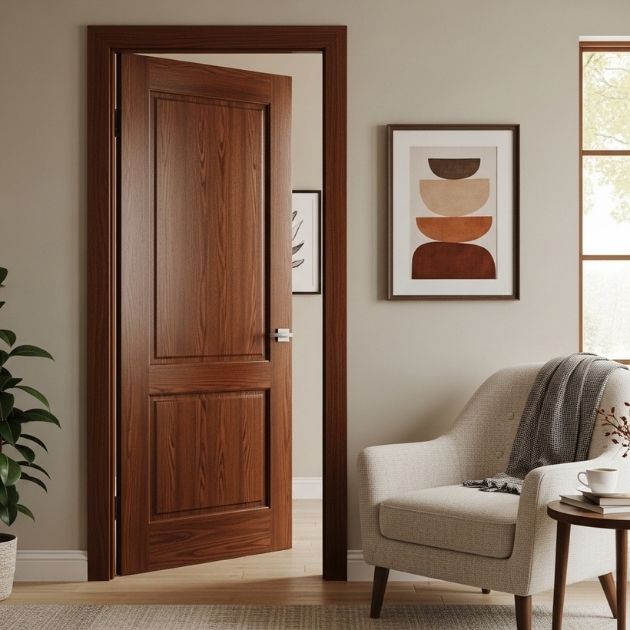
Hollow-core doors, which are standard in most homes, offer almost no soundproofing. Replacing them with solid-core doors is one of the most impactful upgrades you can make.
A solid-core door made from wood or fiberglass adds significant mass, which blocks sound transmission. Pair it with:
- A door sweep at the bottom to close floor gaps
- Foam door seals around the frame
- A door gasket for an even tighter acoustic seal
This combination dramatically reduces noise coming in from hallways and adjacent rooms.
Rug Up with Thick Carpets
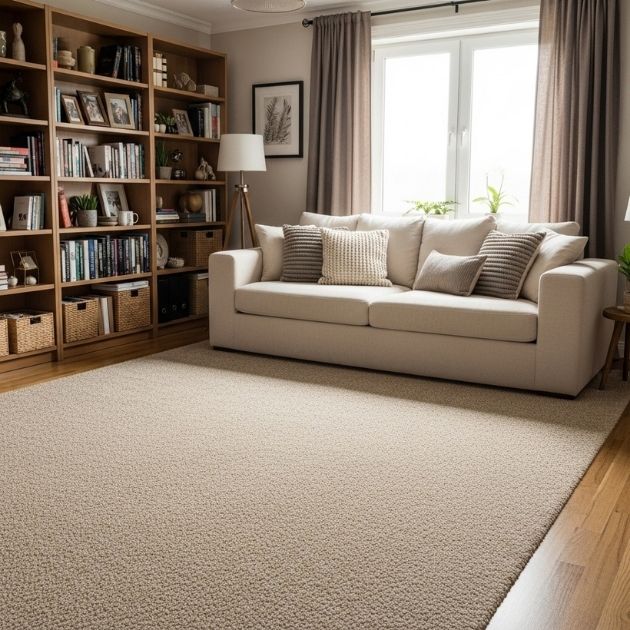
Hard floors like timber, tile, and laminate amplify impact noise and echo. Thick carpets and rugs absorb both airborne sound and vibrations traveling through the floor.
According to the Acoustical Society of America, large plush rugs can reduce echo by up to 30%. For the best result:
- Use a thick rug pad or underlay beneath the carpet
- Choose wool or high-pile rugs over thin synthetic options
- Layer multiple rugs in high-traffic or noisy areas
- Cover as much floor area as possible
This is especially effective in apartments where downstairs neighbors can hear every footstep.
Try a White Noise Machine
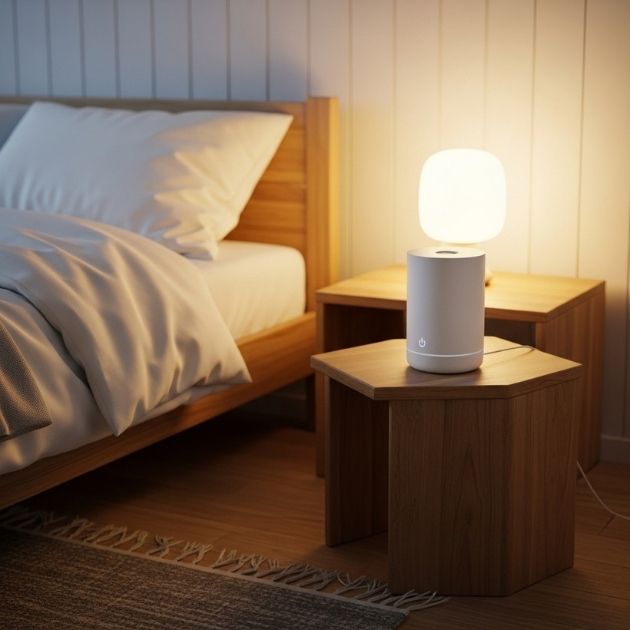
Rather than blocking noise entirely, a white noise machine masks disruptive sounds with a consistent, neutral audio backdrop. It is ideal for bedrooms, nurseries, and home offices.
White noise works by raising the ambient sound level so sudden noises, like a slamming door or a barking dog, are less jarring. Many people also find it easier to fall and stay asleep with white noise running.
Fan apps, sleep sound apps, and dedicated machines are all good options depending on your budget.
Build a Bookshelf
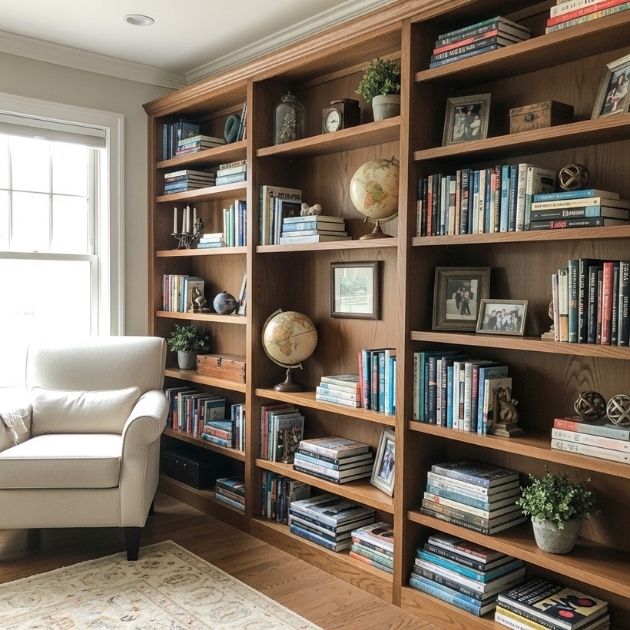
A floor-to-ceiling bookshelf filled with books is a surprisingly effective acoustic solution. Books are dense and irregular in shape, which helps them absorb and scatter sound waves.
Position a packed bookcase against your noisiest shared wall. The combination of mass and uneven surface texture reduces sound transmission noticeably. As a bonus, it doubles as stylish storage.
For best results, fill every shelf tightly. Empty or sparse shelves provide much less noise absorption.
Opt for Secondary Glazing
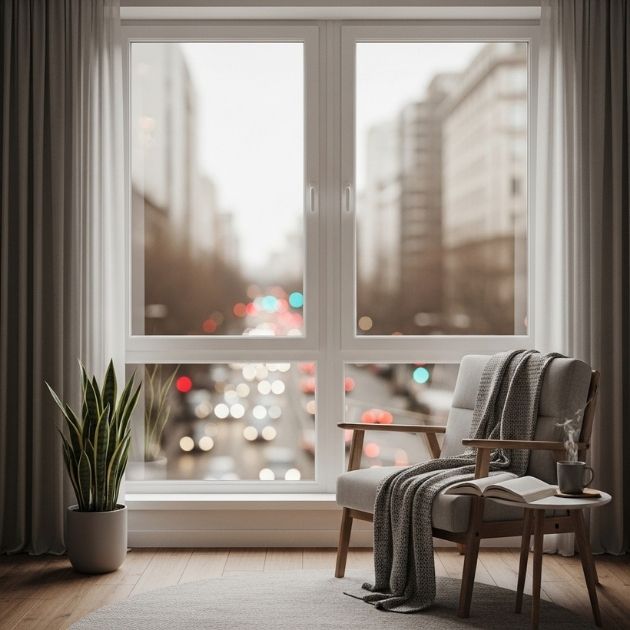
If upgrading to double-pane windows is outside your budget, secondary glazing is an excellent alternative. It involves adding a second pane of glass or a clear acrylic panel to the inside of your existing window.
The air gap created between the two panes acts as a sound buffer, significantly reducing outside noise. Secondary glazing is:
- Less expensive than full window replacement
- Effective for reducing traffic and street noise
- Available as DIY kits for renters
- Reversible with minimal wall damage
This is one of the best investments for rooms facing a busy road.
Decorate with Tapestries

Tapestries and large fabric wall hangings are a stylish and affordable way to dampen sound. The woven texture traps sound waves and reduces reflection from hard walls.
Hang tapestries on:
- Shared walls between your room and a neighbor
- Walls opposite windows where sound enters
- Large bare walls that cause echo
Tapestries with intricate patterns and thick weaves perform better acoustically than thin or loosely woven options.
Place Potted Plants Strategically

Plants may not block loud noise, but research suggests that dense foliage absorbs, diffracts, and reflects sound waves, particularly higher frequencies. Large leafy plants are more effective than small or spindly varieties.
Good plant choices for noise reduction include:
- Peace lilies
- Rubber plants
- Fiddle leaf figs
- Boston ferns
Line windowsills and room corners with plants for the most benefit. They also improve air quality and add natural warmth to a space.
Hang Thick Blankets on Walls
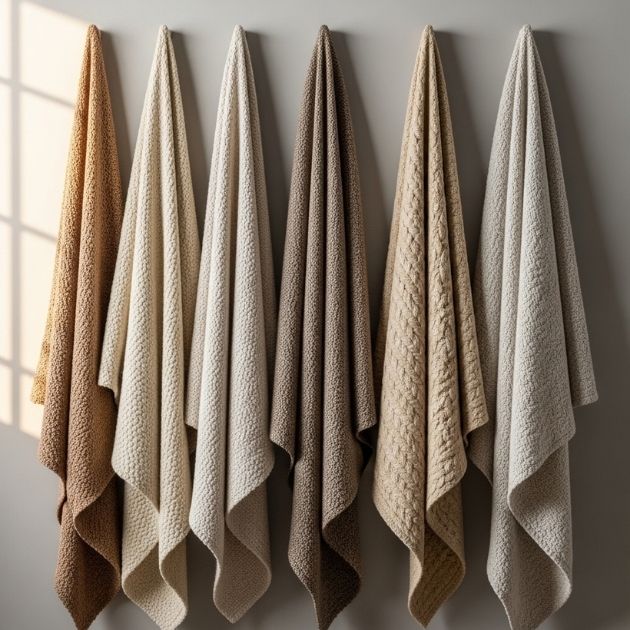
Moving blankets and thick quilted blankets are a budget-friendly acoustic treatment. Their corrugated, layered texture traps sound waves before they bounce off walls.
This method is popular in home recording setups, rehearsal rooms, and rented apartments where permanent changes are not permitted. Use removable command hooks or tension rods to hang them without damaging walls.
Wool blankets and quilted sound-dampening blankets perform better than standard cotton alternatives.
Install a Drop Ceiling
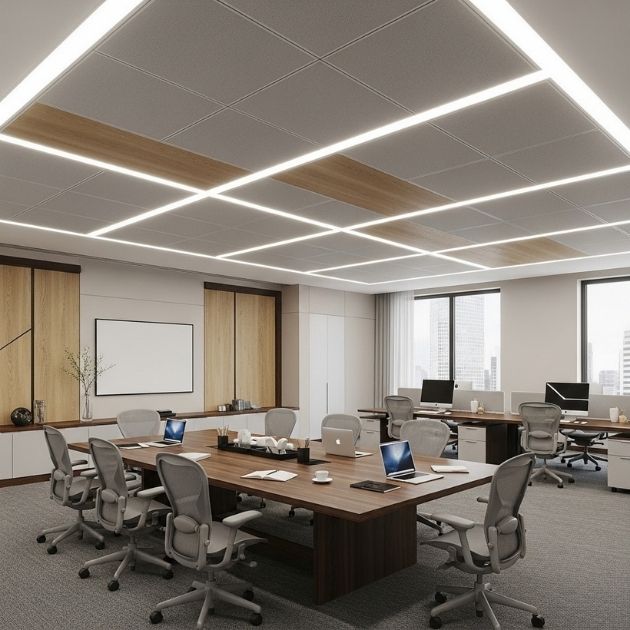
If you are dealing with noise from upstairs neighbors or a loud HVAC system, a drop ceiling can make a real difference. It creates an air cavity between the original ceiling and a new lowered layer, which acts as a sound buffer.
For extra noise reduction, fill the cavity with acoustic insulation or mineral wool before installing the drop ceiling tiles. Acoustic ceiling tiles designed specifically for sound control are available in a range of styles that suit modern interiors.
This solution is more involved but highly effective for blocking impact noise from above.
Layer Your Window Treatments
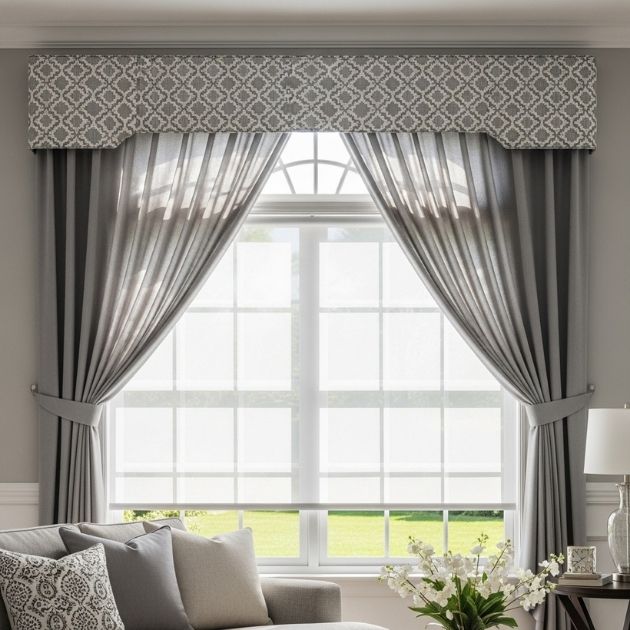
A single pair of curtains rarely provides enough sound insulation on its own. Layering window treatments adds multiple barriers that work together to reduce noise transmission.
Try this layering approach:
- Start with secondary glazing or window film
- Add a thermal or blackout roller blind
- Hang heavy soundproof curtains over the top
Each layer adds mass and traps air, both of which are key to blocking sound. This approach is especially effective for windows that face a busy street or a noisy garden.
Use Freestanding Room Dividers

Freestanding room dividers or acoustic partition screens do double duty: they define spaces and reduce sound travel within a room. They are particularly useful in open-plan areas, home offices, or studio apartments.
Look for dividers with:
- Fabric-upholstered panels for sound absorption
- Dense foam core construction
- Full floor-to-ceiling height for best coverage
These require no installation and can be repositioned as needed, making them a flexible, damage-free option.
Invest in Soundproof Paint
Soundproof paint contains sound-absorbing fillers like ceramic microspheres and latex that dampen high-frequency noise. While it will not block heavy bass or structural noise, it takes the edge off everyday sounds like voices and television noise.
Apply multiple coats for better results, and consider using an acoustic dampening primer as a base layer. Soundproof paint works best as part of a broader soundproofing strategy rather than as a standalone fix.
Final Thoughts
Soundproofing a room does not have to mean a major renovation. From thick rugs and acoustic curtains to bookshelves and secondary glazing, there are options for every budget and living situation.
Start by identifying your main noise source, whether it is coming through the walls, floor, ceiling, windows, or doors. Then layer two or three solutions that target that specific path. The cumulative effect of combining multiple methods is always greater than any single fix on its own.
A quieter room means better sleep, sharper focus, and a more comfortable home. Pick the ideas that suit your space and start building your soundproofing plan today.