
If you have ever looked at a home and wondered what makes it feel complete, chances are dormers played a role. These architectural features do more than just break up a roofline. They bring in natural light, add headroom, and give your home a personality that stands out on any street. Whether you are renovating a Cape Cod, upgrading a colonial, or giving a modern home fresh character, the right dormer design can completely transform your exterior.
This guide walks through the most effective dormer ideas available today, covering everything from colorful accents to seamless roof integration. Each section pairs practical design advice with helpful product suggestions to make your vision easier to execute.
Dormers with Colorful Accents
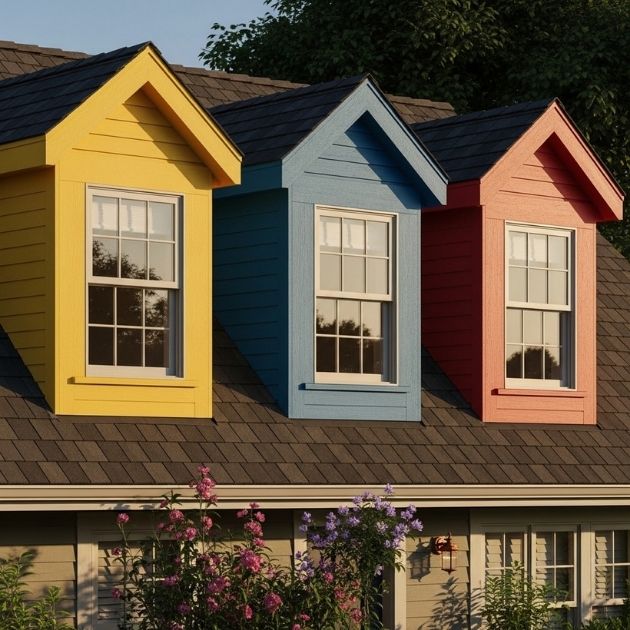
Color is one of the fastest ways to make dormers pop. Instead of matching your dormers exactly to the main roofline, consider using contrasting trim, painted shutters, or bold window frames to draw the eye upward. Deep navy, forest green, and terracotta are trending choices that add depth without overwhelming the overall palette.
Colorful dormers work especially well on craftsman, cottage, and farmhouse-style homes where personality is part of the design language.
Items that may come in handy:
- Exterior acrylic paint in weather-resistant formulas
- Colorful decorative window shutters
- Outdoor LED string lights to highlight dormer outlines at night
Classic Gable Dormers
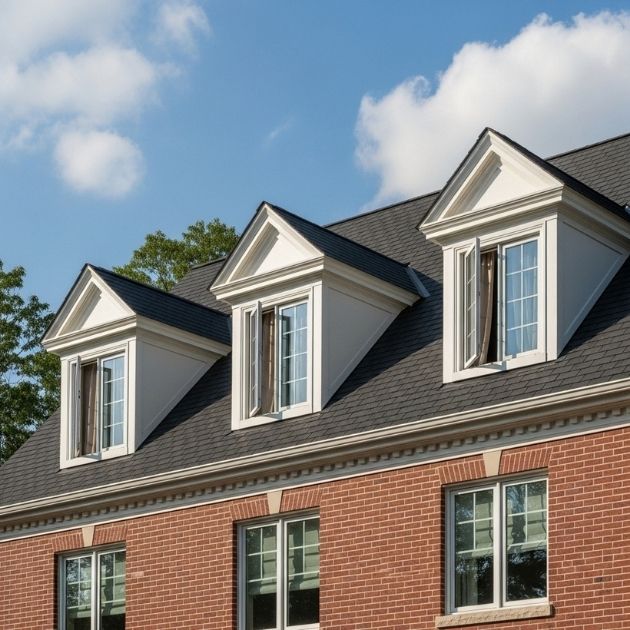
Gable dormers remain the most widely recognized dormer style for good reason. Their triangular roof matches the pitch of the main roof, creating a cohesive and balanced look that suits a wide range of architectural styles. You will find them on colonial, craftsman, Tudor, and Cape Cod homes alike.
Beyond aesthetics, gable dormers are highly functional. The vertical wall space inside provides excellent headroom, and their pitched roof design effectively channels water away from windows, reducing the risk of moisture damage. If your home sits in a region with heavy rain or snowfall, this style is particularly practical.
For added curb appeal, try pairing gable dormers with decorative window box planters or exterior wall lanterns with a matte black finish.
You might give these a try:
- Energy-efficient double-pane windows sized for gable dormers
- Exterior wall lanterns with a black or bronze finish
- Decorative window box planters for seasonal color
Unique Angles for Modern Appeal
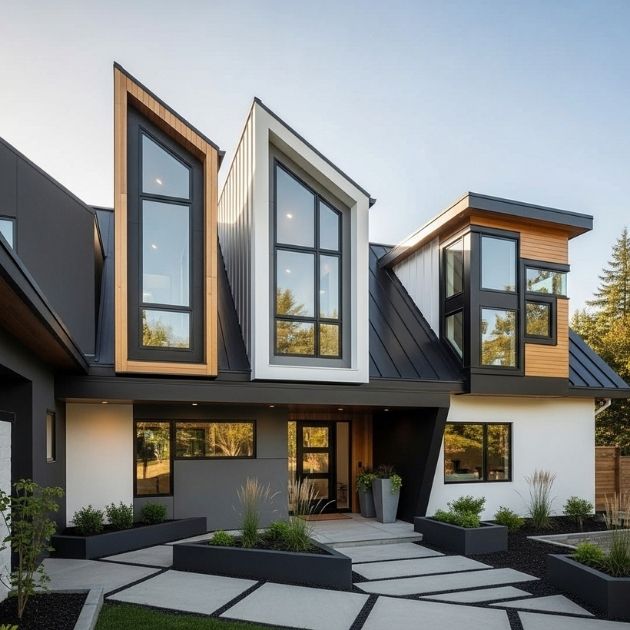
Not every home calls for traditional rooflines. If your property leans contemporary, asymmetrical or sharply angled dormers can give it an architectural edge that feels fresh and intentional. Flat-roof dormers and casement-style designs with clean geometric shapes work particularly well on modern builds.
These angular dormers often incorporate large picture windows or floor-to-ceiling glazing that floods upper-level rooms with natural light. The result is both striking from the outside and highly livable from within.
Give these a look:
- Casement window sets with slim aluminum frames
- Modern casement window locks for a clean, secure fit
- Flat dormer roofing membrane kits rated for low-slope applications
Seamless Roof Integration
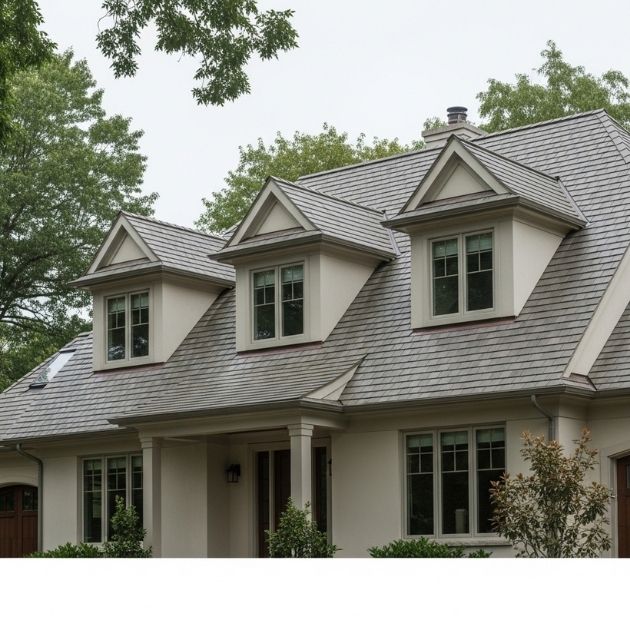
Some homeowners prefer dormers that feel like a natural extension of the roof rather than an added element. This seamless integration approach keeps the roofline flowing and avoids a cluttered appearance. Wall dormers, where the face continues the line of the exterior wall below, are a popular choice for achieving this effect.
Choosing roofing materials that closely match the existing shingles or tiles is key here. Cedar shingles, architectural asphalt shingles, and metal standing seam panels can all contribute to a unified look that feels intentional rather than added on.
Possibly helpful picks:
- Architectural asphalt shingles in matching tones
- Cedar shingles for a natural, textured finish
- Copper flashing kits for a premium, weather-resistant seal around dormer edges
European Flair with Bonneted Dormers
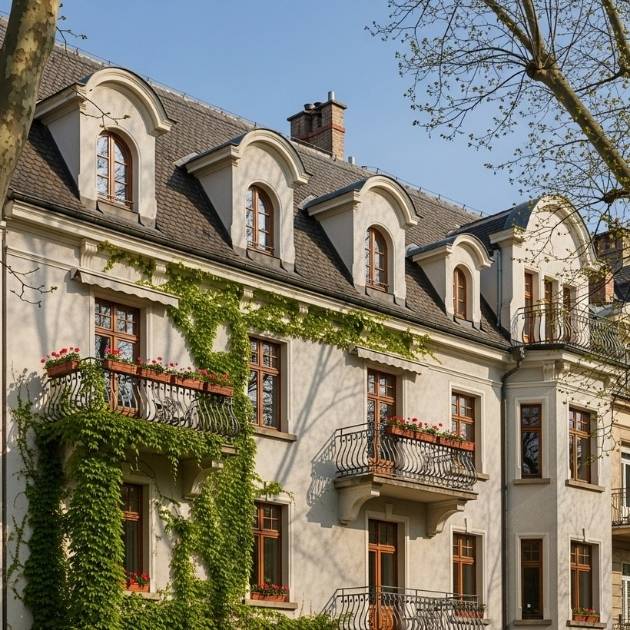
Bonneted dormers feature a curved, bell-shaped roof that sweeps outward in all directions, creating a silhouette that looks like a small bonnet or hood. This style has deep roots in French-inspired architecture and adds an unmistakable old-world charm to any exterior.
If you are drawn to European cottage aesthetics or want to give a standard home something genuinely unique, a bonneted dormer is worth considering. They pair beautifully with stone or stucco facades and arched window frames.
Check if these fit your needs:
- Arched window sets with decorative grilles
- Stone veneer panels for the dormer surround
- Traditional wrought-iron window hardware
Landscaping Complements
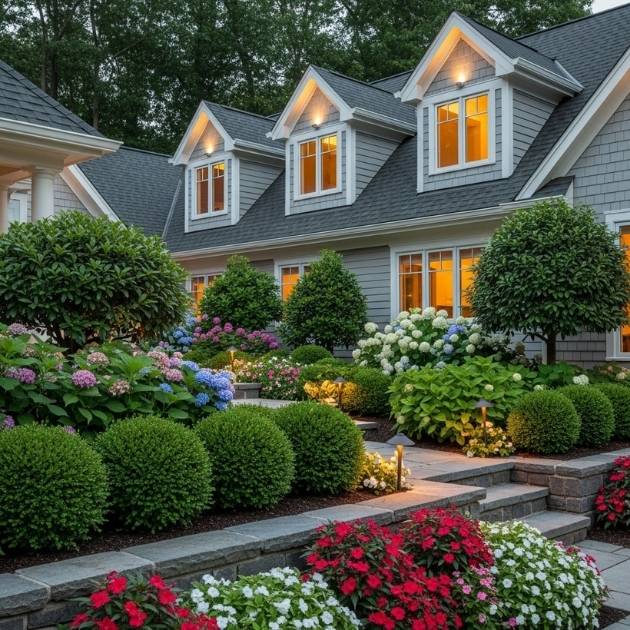
A well-designed dormer draws the eye up, but thoughtful landscaping grounds the whole composition. Foundation plantings, climbing vines trained along trellises, and window box gardens all connect your dormers visually to the rest of the property. Low shrubs that echo the curve of a bonneted dormer or tall columnar plantings that mirror the height of a gable can make the exterior feel intentional from every angle.
Window boxes on dormers are especially effective, adding seasonal color and softening what might otherwise be a stark architectural feature.
A few relevant products:
- Window planter boxes with stainless steel brackets
- Self-watering planter inserts for low-maintenance dormer displays
- Trellis panels for training climbing plants near dormer walls
Timeless Stone Accents
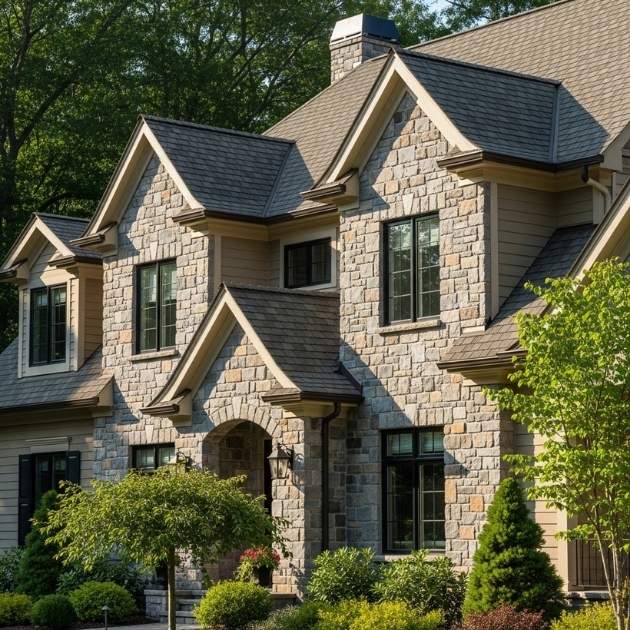
Stone has always communicated permanence and quality. Using stone veneer or real cut stone around dormer surrounds, sills, and lintels elevates even a modest dormer into something that looks genuinely crafted. This works on Tudor homes, craftsman bungalows, and cottages where natural materials are already part of the design language.
The contrast between the rough texture of stone and the smoother surfaces of roofing materials creates visual depth that photographs beautifully and holds up well over time.
You might like:
- Exterior stone veneer panels for dormer surrounds
- Natural fieldstone sill pieces for window bases
- Masonry sealant to protect stone finishes from moisture
Symmetrical Dormer Placement
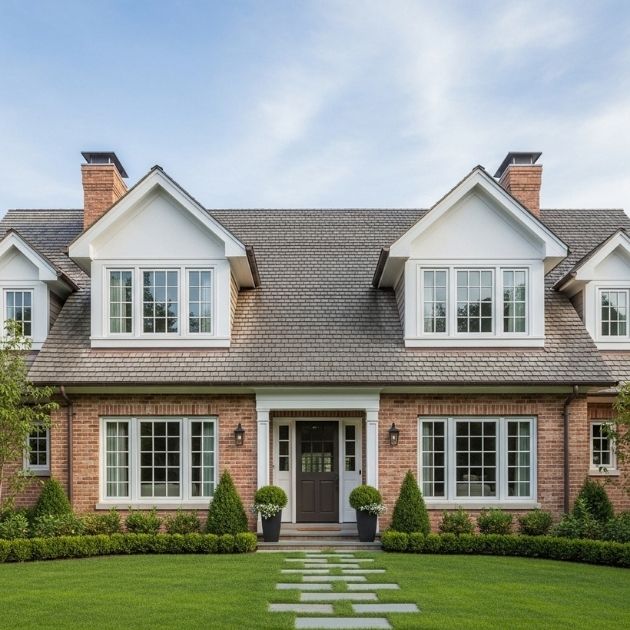
Symmetry is one of the oldest tools in architectural design, and it works just as well on dormer placement as anywhere else. Evenly spaced dormers along a roofline create a sense of order and balance that is immediately satisfying to the eye. This approach is especially effective on colonial and Georgian-style homes where formality is part of the design intent.
When planning symmetrical placement, factor in the interior room layout as well. Dormers positioned over key rooms maximize both functional benefit and visual impact.
A few suggestions:
- Colonial-style dormer kits for matching pairs
- Double-hung window sets in matching sizes
- Metal roof panels to maintain consistent surface texture between dormers
Shed Dormers for Added Space
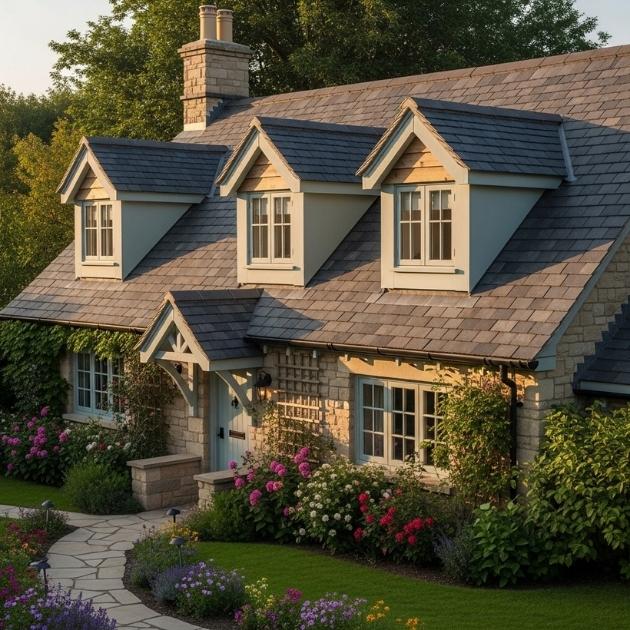
If your primary goal is to increase livable square footage in an attic or upper level, shed dormers are the most practical choice available. A shed dormer features a single gently sloping roof that extends outward from the main roofline. Because it can span the full width of the roof, it creates far more vertical wall height than any other dormer type.
Shed dormers are a favorite for attic conversions, home offices, and bathroom additions where standing room matters. Their broad face accommodates multiple windows side by side, which means the interior benefits from excellent natural light and ventilation.
Consider these options:
- Exterior wall lanterns sized for shed dormer facades
- Cedar shingles for a warm, natural shed dormer surface
- Window planter boxes to soften the long horizontal profile
Charming Hip Dormers
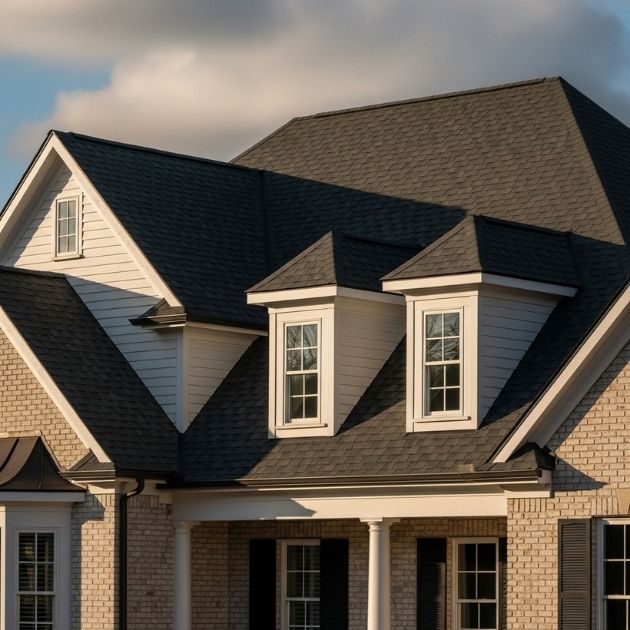
Hip dormers have a roof that slopes on three sides, creating a pyramid-like top that blends gracefully with the existing roofline. Because they do not protrude as dramatically as gable dormers, hip dormers feel softer and more refined. They handle water and snow runoff exceptionally well due to the sloped geometry on all sides.
This style suits formal home designs including colonial, Georgian, and traditional American architecture. They also work on contemporary builds where a touch of classic detail is welcome without going fully traditional.
May just do the trick:
- Arched window sets for a classic hip dormer interior
- Decorative fascia boards with trim paint in a contrasting color
- Weatherproof LED spotlights to accent the hip dormer profile at night
Contemporary Clean Lines
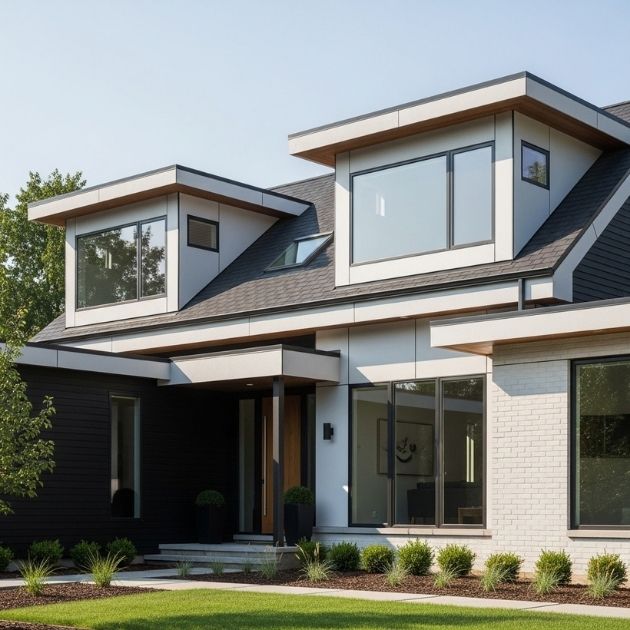
For homes that favor minimal ornamentation, clean-line dormers with flat or very shallow-pitched roofs deliver a sharp, polished look. Casement dormers are a popular variation here, offering unobstructed views and a frameless visual effect that works with industrial, modern farmhouse, and Scandinavian design aesthetics.
The key to pulling off clean-line dormers is precise detailing. Flush flashing, slim window profiles, and materials that match the main facade all contribute to the seamless effect.
These products might be useful:
- Modern casement windows with narrow aluminum frames
- Flat dormer roofing membranes for low-slope surfaces
- Exterior cladding panels in fiber cement for a smooth, consistent finish
Colonial Charm with Dormers
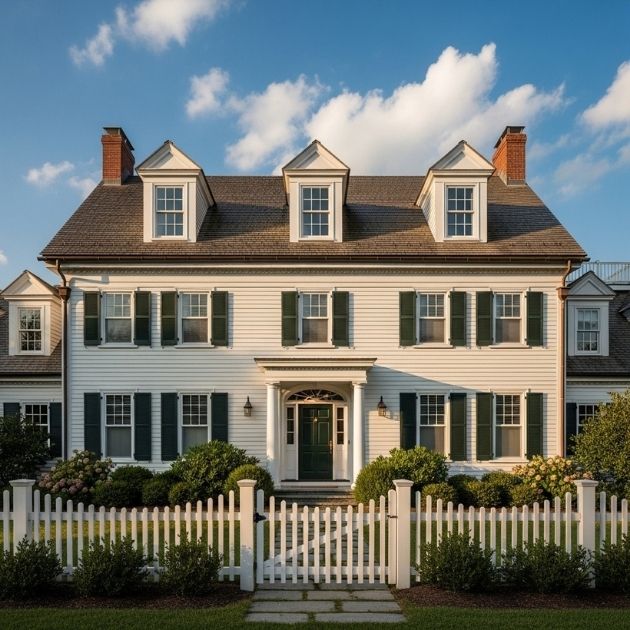
Colonial architecture and dormers have a long shared history. Symmetrically placed gable dormers with multi-pane windows and shutters are a hallmark of colonial and Cape Cod style. They reinforce the formal balance that defines this aesthetic while adding functionality and light to upper floors.
If you are restoring or building in a colonial style, dormers with six-over-six or nine-over-nine window grilles and painted wood shutters will feel most authentic. Keep the trim color consistent across dormers, windows, and the main facade for a cohesive result.
Possibly handy products:
- Colonial-style window shutters in painted wood or composite
- Multi-pane grille inserts for double-hung windows
- Metal roof panels in slate gray or charcoal for a period-appropriate finish
Mix and Match Materials
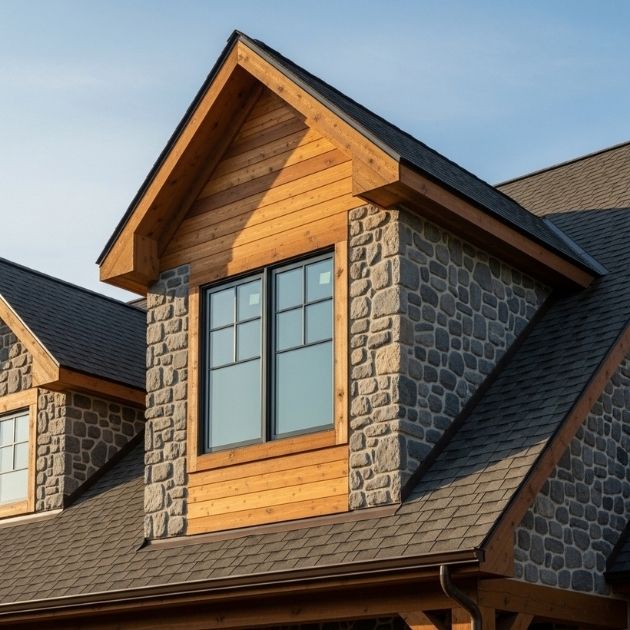
Using more than one material on a dormer exterior creates texture and visual interest that a single-material approach simply cannot match. Combining cedar shingles with painted wood trim, or stone veneer with clapboard siding, gives dormers a layered quality that reads as thoughtfully designed.
This works particularly well on craftsman, Tudor, and eclectic cottage homes where mixing natural materials is already part of the vocabulary. The key is choosing materials that share a color family or finish quality so the combination feels intentional.
Some handy options:
- Decorative wood siding panels for dormer cheeks
- Faux brick wall covering for accent surfaces
- Stone veneer panels to frame window surrounds
Decorative Shutters and Trim
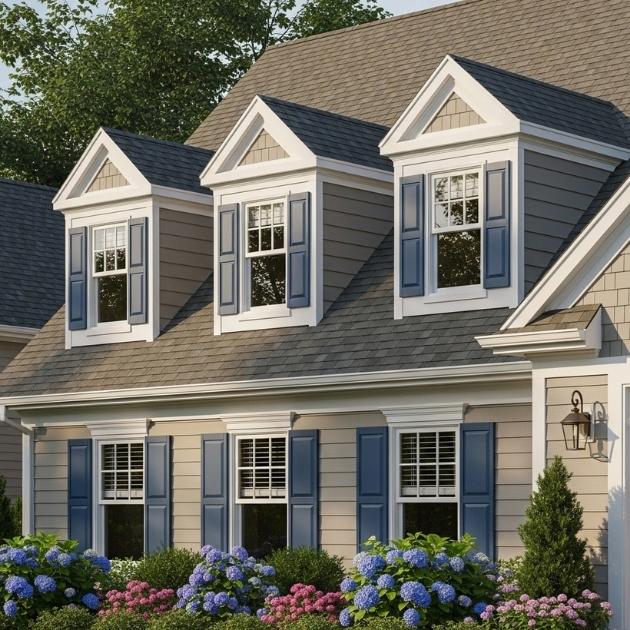
Shutters and trim are the finishing details that tie a dormer together. Board shutters in a contrasting color, decorative trim profiles around window frames, and well-chosen hardware all contribute to the overall impression. Even a simple gable dormer looks significantly more polished with thoughtfully chosen trim.
Painted shutters in deep colors like black, navy, or hunter green are particularly effective at making white or light-colored dormers stand out. For a more rustic look, natural wood shutters with visible grain add warmth and texture.
Check these products out:
- Exterior window shutters in composite or painted wood
- Decorative window trim molding kits
- Outdoor LED spotlights to illuminate shuttered dormers at night
False Dormers for Visual Interest
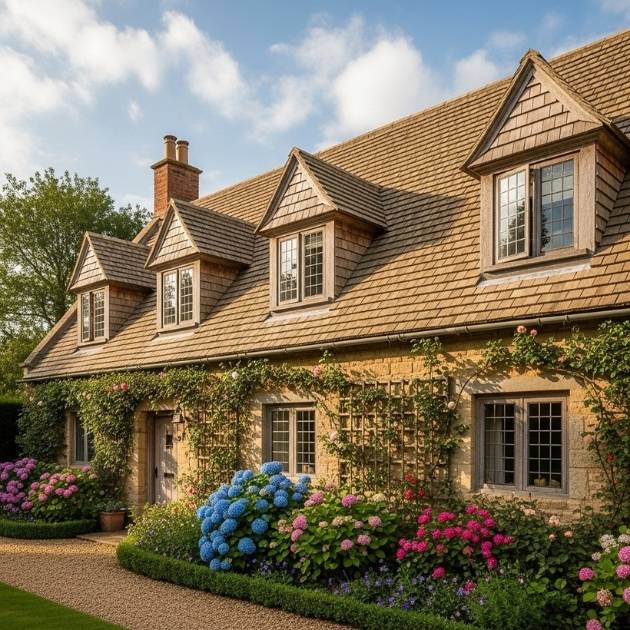
Not every dormer needs to open into a room. False dormers, also known as blind dormers, are purely decorative structures that mimic the appearance of a functional dormer without creating an actual roof opening. They are an excellent solution for breaking up a long, monotonous roofline and adding architectural interest at a lower cost and complexity than a structural dormer.
False dormers were common in Victorian and colonial architecture, where maintaining visual symmetry mattered even when interior layouts did not support a full dormer. Today, they are seeing a revival among homeowners who want to boost curb appeal without undertaking major structural work.
Some ideas to consider:
- Faux dormer kits for straightforward installation
- Decorative roofing shingles to match faux dormers to the main roof
- Architectural roof vents designed to look like small dormers
Final Thoughts
Dormers are one of the most versatile tools available for improving a home’s exterior. Whether you are drawn to the symmetry of classic gable dormers, the space-maximizing power of shed dormers, the old-world elegance of bonneted styles, or the crisp appeal of contemporary flat-roof designs, there is a dormer type that fits your home and your goals.
The best results come from matching the dormer style to the existing architecture, choosing materials that complement the facade, and paying attention to the small details like trim, shutters, and landscaping that bring the whole composition together. Start with the style that resonates most, then layer in the details that make it your own.