
There is something instantly inviting about a home with well-designed rustic window trim. Whether you are renovating a farmhouse, updating a cabin, or simply adding character to a traditional exterior, the right window trim can completely transform your home’s curb appeal. Rustic trim ideas blend natural materials, earthy textures, and timeless craftsmanship to give any facade a warm, grounded personality. In this guide, you will find over 21 inspiring rustic exterior window trim ideas, practical design tips, and product suggestions to bring your vision to life.
Contrast with Stone Exteriors
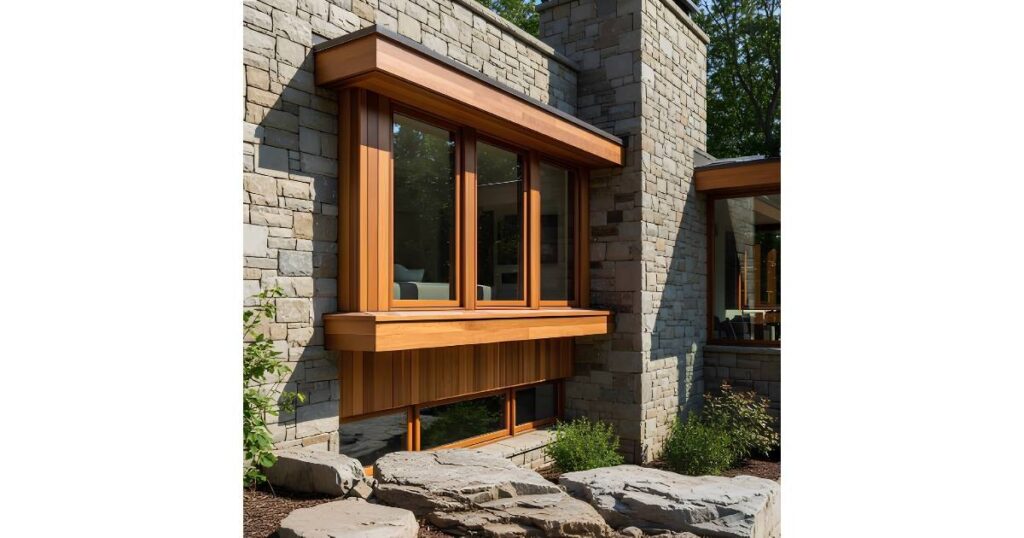
One of the most striking combinations in rustic design is pairing natural wood window trim with stone exteriors. The contrast between rough-hewn stone and warm, textured wood creates a visual depth that feels both organic and intentional. Cedar or pine trim boards work especially well here because their visible grain and natural knots echo the ruggedness of the stone.
To make this look cohesive, choose a trim color that complements the undertones in your stone. Warm honey stains pair beautifully with sandy limestone, while a darker walnut finish stands out against gray fieldstone. The result is a facade that looks like it has always belonged in the landscape.
You might like:
- Natural cedar window trim boards (rough-sawn finish)
- Stone veneer panel kits for accent walls
- Exterior wood stain in warm walnut or honey tones
Integrate Metal Accents
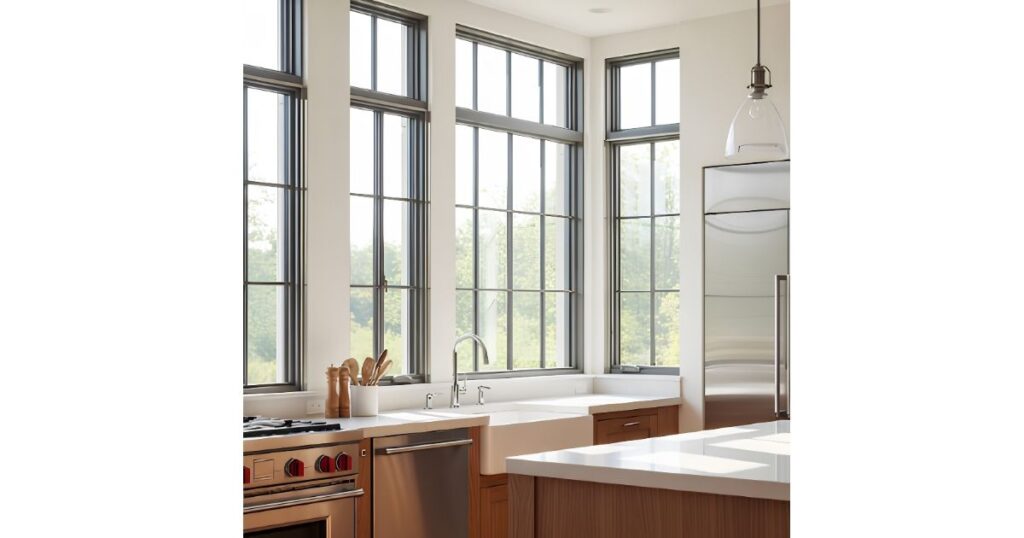
Rustic style does not have to mean purely wood. Incorporating wrought iron or blackened steel accents into your exterior window trim adds a refined industrial edge without losing that handcrafted charm. Think of iron shutter holdbacks, decorative corner brackets, or steel window grids set within a wood frame.
A thin line of copper flashing above a dark-trimmed window can also make a surprising visual impact. Over time, the copper develops a natural patina that blends seamlessly into a rustic palette. Metal accents work best when used sparingly so they highlight rather than overwhelm the natural materials around them.
Might be a good match:
- Wrought iron decorative window brackets
- Blackened steel corner trim accents
- Copper drip cap flashing for window headers
Opt for Asymmetrical Designs
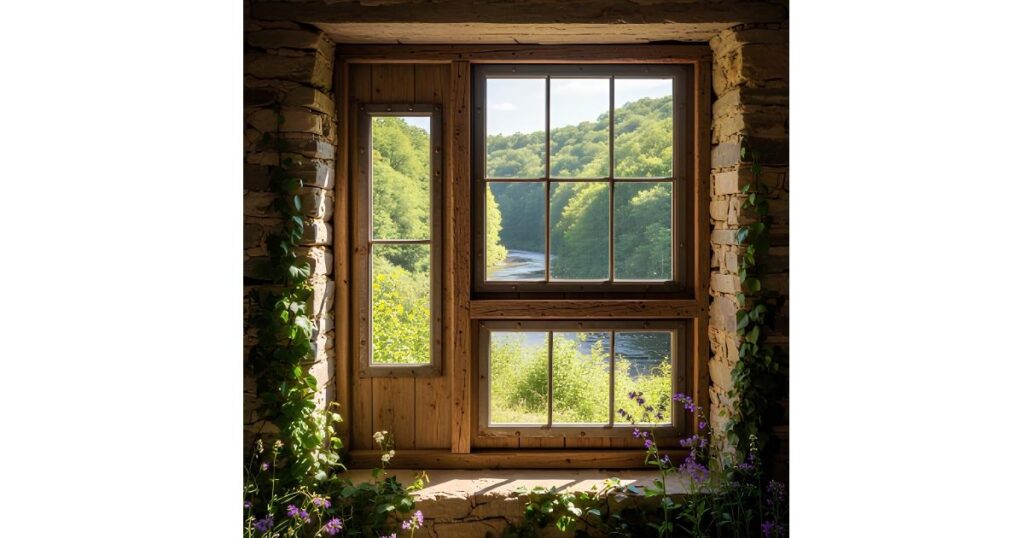
Breaking away from perfectly symmetrical trim layouts is a bold but effective rustic design move. Asymmetrical window trim, where one side features a wider board, a decorative corbel, or a built-in shelf, gives a home a sense of organic, lived-in character. This approach is particularly popular in contemporary rustic or eclectic farmhouse styles.
You do not need to go overboard. Even a slightly oversized header board paired with standard side casings can create an intentional imbalance that draws the eye and adds personality. Pair this with a natural wood finish to keep the look grounded.
Possibly handy products:
- Wide flat-stock cedar boards for oversized headers
- Decorative wood corbels in a distressed finish
- Exterior wood filler and sandpaper for a DIY aged look
Go Victorian with Decorative Corbels
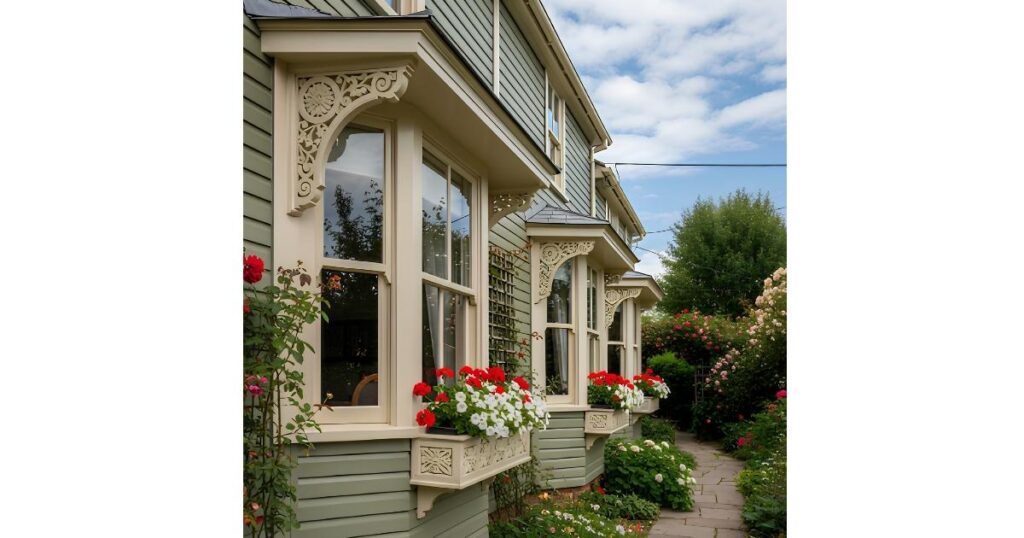
Victorian-era trim details translate surprisingly well into rustic exterior design. Decorative corbels, those bracket-like supports placed beneath window sills or header boards, add elegance and architectural depth without feeling fussy. When crafted from rough-sawn wood or cast in a weathered gray finish, they fit right into a rustic aesthetic.
Pair corbels with a simple flat-stock casing around the window frame for balance. This combination works beautifully on cottage-style homes, craftsman bungalows, and rural farmhouses alike.
Explore these options:
- Decorative exterior wood corbels (pre-primed or unfinished)
- Victorian-style porch bracket sets
- Exterior paintable caulk for seamless trim installation
Simple Geometric Designs
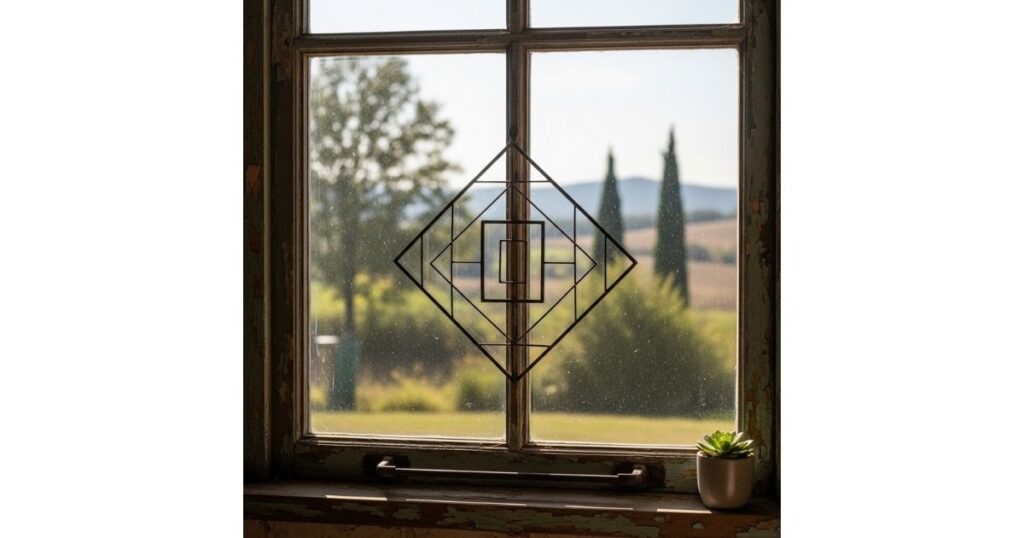
Sometimes, less truly is more. Clean, geometric window trim, such as a straightforward box trim with a flat head casing and square corners, is a timeless rustic choice. The butt-joint method, where boards are cut square rather than at an angle and simply meet at the corners, is both easy to execute and naturally rustic in its honesty.
This style looks especially attractive when paired with board-and-batten siding or rough-cut wood cladding. The simplicity of the trim lets the natural material and texture do all the talking.
Give these a look:
- 1×4 or 1×6 pine or poplar trim boards
- Pre-assembled window trim kits with square corner blocks
- Exterior-grade wood primer for longevity
Scalloped Edges for Cuteness
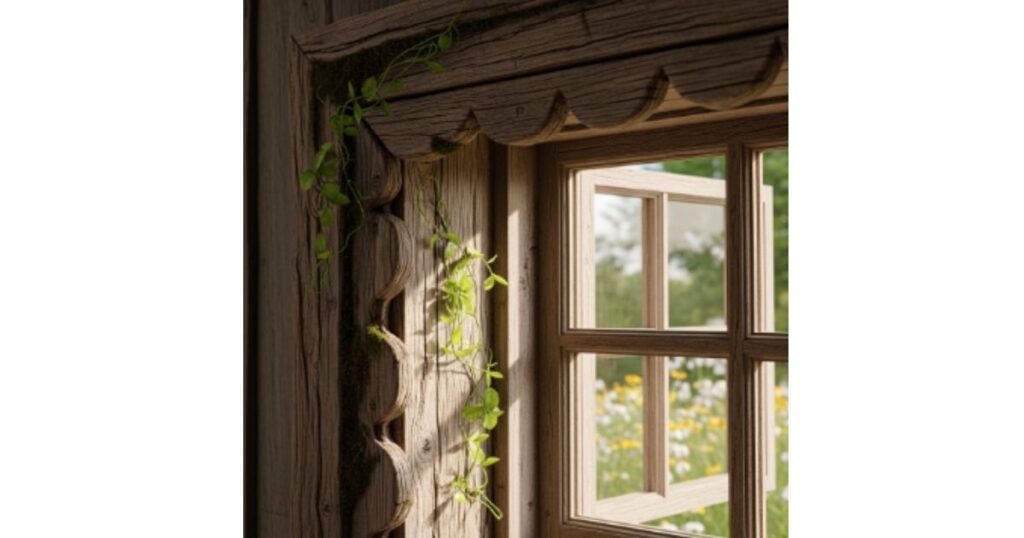
Scalloped trim edges bring a cottage-core charm that pairs wonderfully with rustic exteriors. This decorative detail, typically applied to the bottom edge of a header board or window apron, adds a soft, whimsical touch without straying too far from natural materials. Painted white or left in a natural wood tone, scalloped trim is a small detail that makes a big impact.
This look works particularly well on smaller windows such as kitchen or bathroom openings, where the decorative element can be fully appreciated at eye level.
Some handy options:
- Wooden scalloped trim molding (ready to install)
- Jig saw kit for DIY scalloped edge cutting
- Exterior white paint for a crisp cottage finish
Layered Trim for Dimension
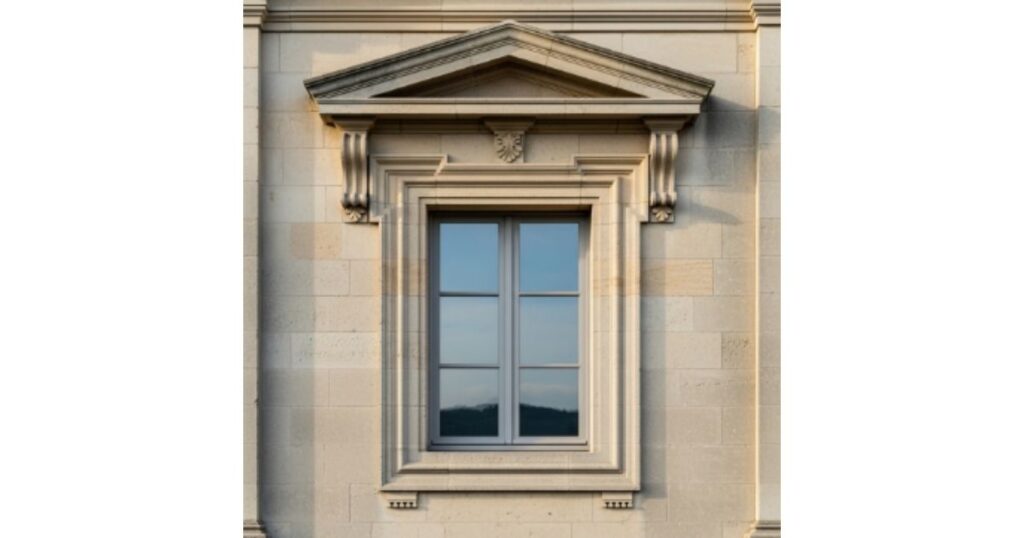
Layered window trim is one of the most effective ways to add architectural interest to a flat exterior. By building up multiple layers of trim boards, each slightly narrower than the one beneath it, you create a shadow line that gives the window a three-dimensional, hand-built quality.
This technique works on virtually any home style. Start with a wide flat base casing, add a narrower overlay board, and finish with a drip cap or decorative molding at the top. The layered effect catches natural light throughout the day, giving the facade a dynamic, ever-changing appearance.
A few suggestions:
- Rustic wood window trim boards in varying widths
- Decorative metal corner brackets to anchor layers
- Exterior construction adhesive for secure layering
Rustic Meets Modern with Glass Panels
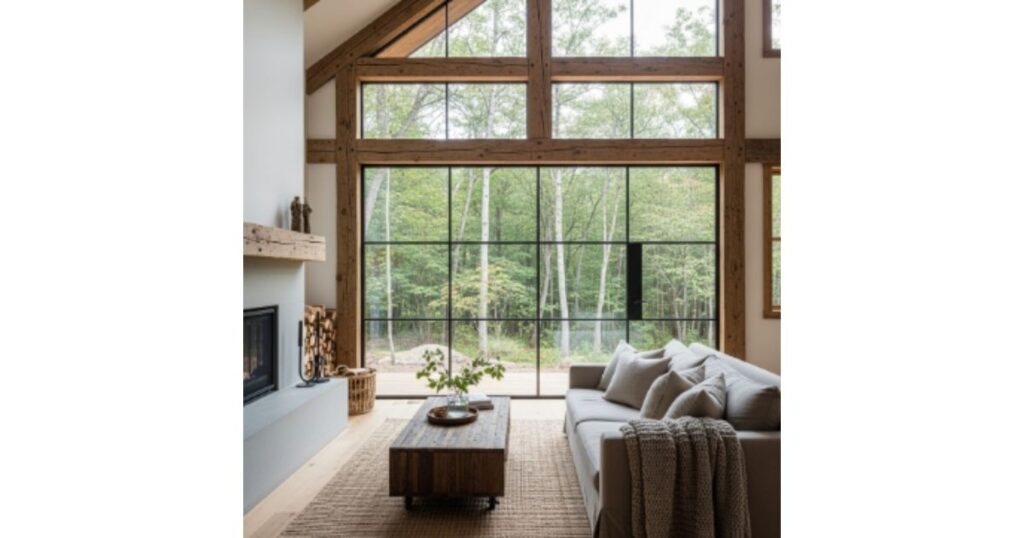
Combining rustic wood trim with sleek glass panel windows creates a striking contrast that bridges two design worlds. Dark-stained or reclaimed wood casings around large-pane or divided-light windows bring warmth and texture to an otherwise contemporary facade. This pairing is especially popular in modern farmhouse and mountain modern design styles.
The key is choosing glass with thin, dark frames to complement rather than compete with the natural wood trim. The result is a home that feels current yet rooted in tradition.
Products that could assist:
- Reclaimed wood window casing boards
- Dark-tinted exterior wood stain
- Weatherstrip sealant for energy-efficient installation
Craftsman-Style Trims
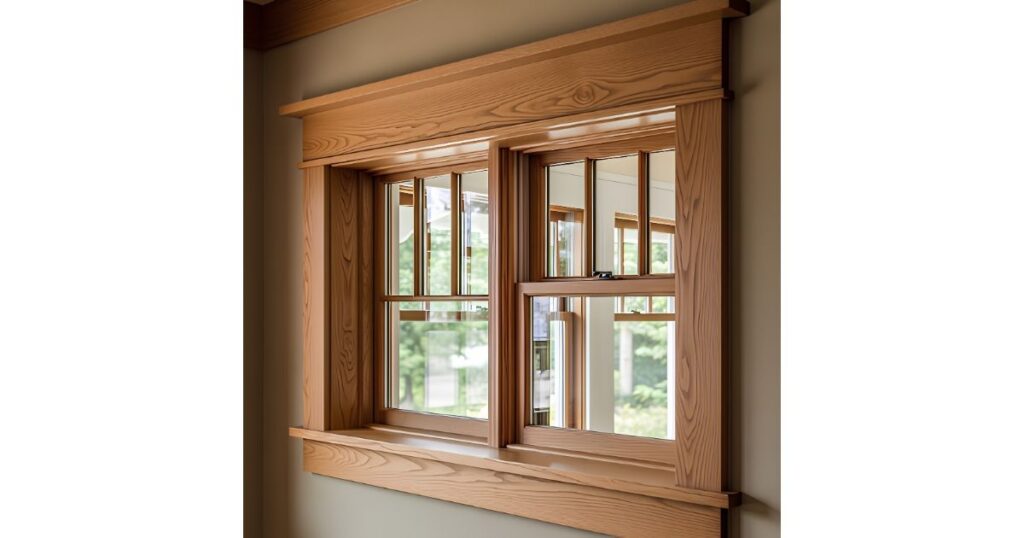
Craftsman trim is built on the principles of quality materials, honest construction, and functional beauty. For exterior windows, this typically means wide, flat-stock casings with a bold header board and a sill that extends slightly beyond the side casings. The overall effect is sturdy, grounded, and deeply satisfying to look at.
Natural materials are essential here. Opt for clear-grained cedar or Douglas fir for authentic craftsman character. A semi-transparent exterior stain in a warm brown or greige tone lets the wood grain show while providing excellent weather protection.
Maybe worth checking out:
- Craftsman-style trim molding sets for exteriors
- Exterior wood stain in amber or warm brown
- Pre-drilled drip cap for craftsman window headers
Earthy Tone Harmony
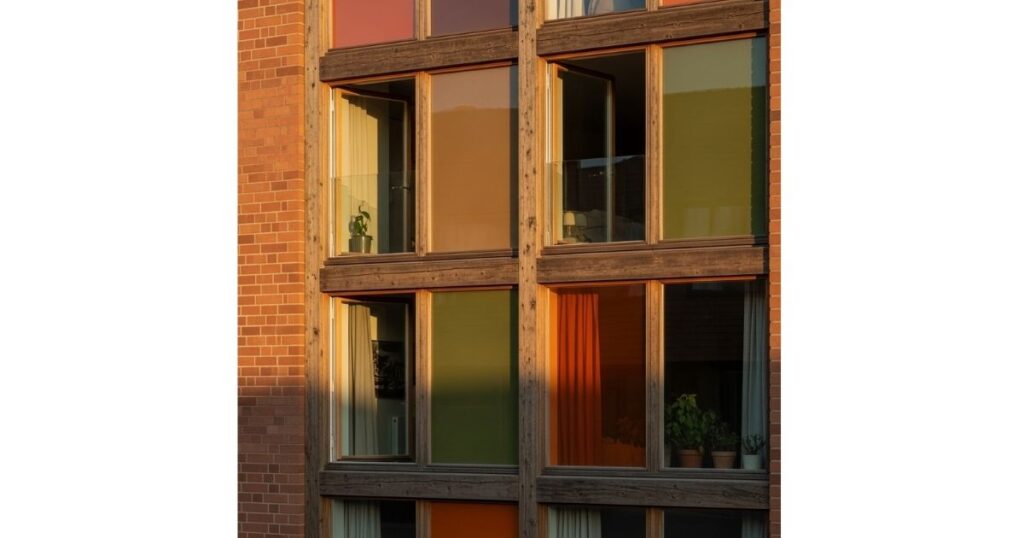
Color plays a powerful role in rustic trim design. Choosing window trim colors in earthy tones, think terracotta, sage green, warm taupe, or deep ochre, creates a seamless flow between the home and its natural surroundings. These hues work particularly well against natural wood or fiber cement siding in neutral shades.
Earthy trim colors also help the home blend into garden landscapes rather than stand apart from them. This is a subtle design strategy that pays off in year-round visual harmony.
Consider these options:
- Exterior paint in earthy tones (terracotta, sage, warm brown)
- Natural wood window trim with UV-protective clear coat
- Rustic stone window sills for a complementary grounding detail
Experiment with Colorful Trims
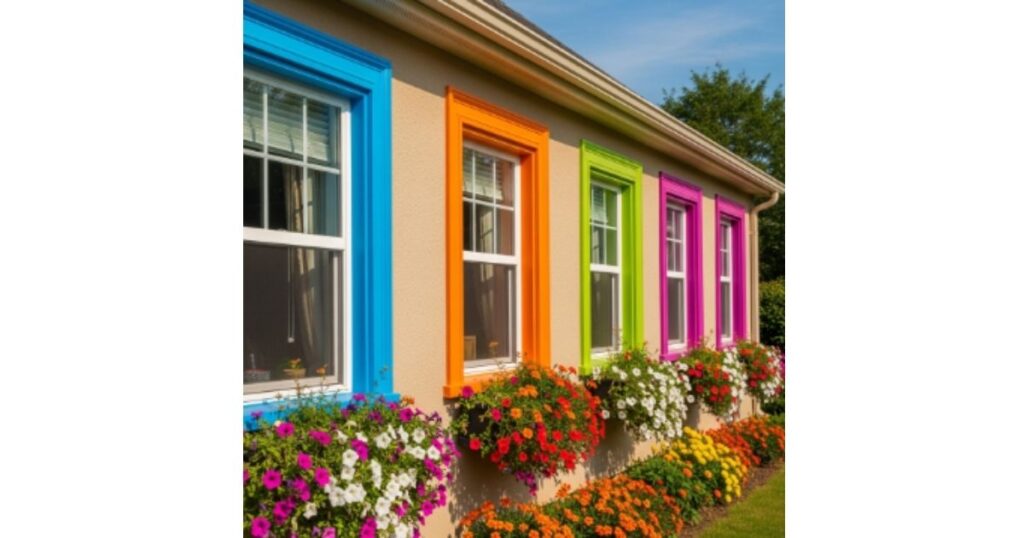
Who says rustic has to be neutral? Bold trim colors can frame windows as striking architectural accents while still working within a rustic palette. Deep navy blue, forest green, barn red, and even dusty periwinkle can all feel at home on a rustic exterior when paired with the right siding and natural materials.
The trick is to balance the boldness of the trim color with understated siding. A soft cream or weathered gray exterior makes even the most daring trim color feel intentional rather than jarring.
Useful items to consider:
- Exterior paint in bold accent shades (navy, barn red, forest green)
- Exterior primer for proper adhesion on wood trim
- Paint sprayer kit for a smooth, professional finish
Incorporate Built-In Planters
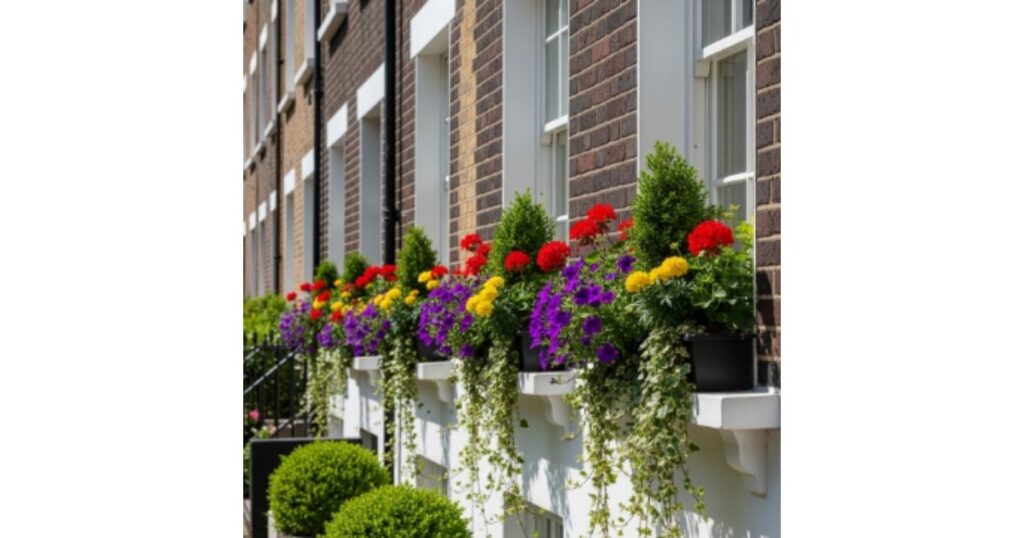
One of the most charming rustic window trim ideas is integrating a built-in window box planter directly into the trim design. A sturdy cedar or pine planter box mounted beneath the window sill, with trim that flows seamlessly from the window casing into the planter frame, feels like a natural extension of the home’s architecture.
This idea works best on ground-floor windows and adds incredible curb appeal through all four seasons, from spring blooms to winter evergreens.
These products might be useful:
- Cedar window box planter kits (self-draining)
- Galvanized mounting brackets for planter boxes
- Exterior wood sealant to protect planter trim from moisture
Add Rustic Hardware
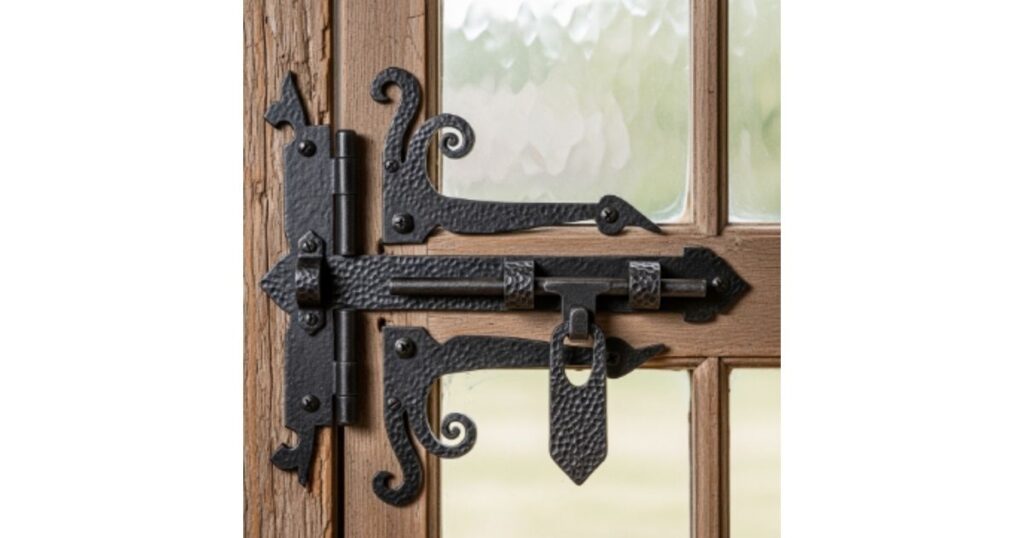
Hardware is the jewelry of exterior window trim. Replacing standard fasteners and accessories with rustic iron or bronze hardware, such as decorative lag screws, hand-forged hinge straps, or antique-style shutter dogs, instantly elevates the look of any trim project.
Even small details like exposed bolt heads in a blackened finish can add authenticity to a rustic window surround. Choose hardware with a consistent metal finish across all your windows to create a cohesive look across the whole facade.
A few things you might like:
- Hand-forged iron decorative shutter hardware sets
- Oil-rubbed bronze exterior wood screws
- Blackened steel shutter dogs and holdbacks
Embrace Natural Wood Finishes
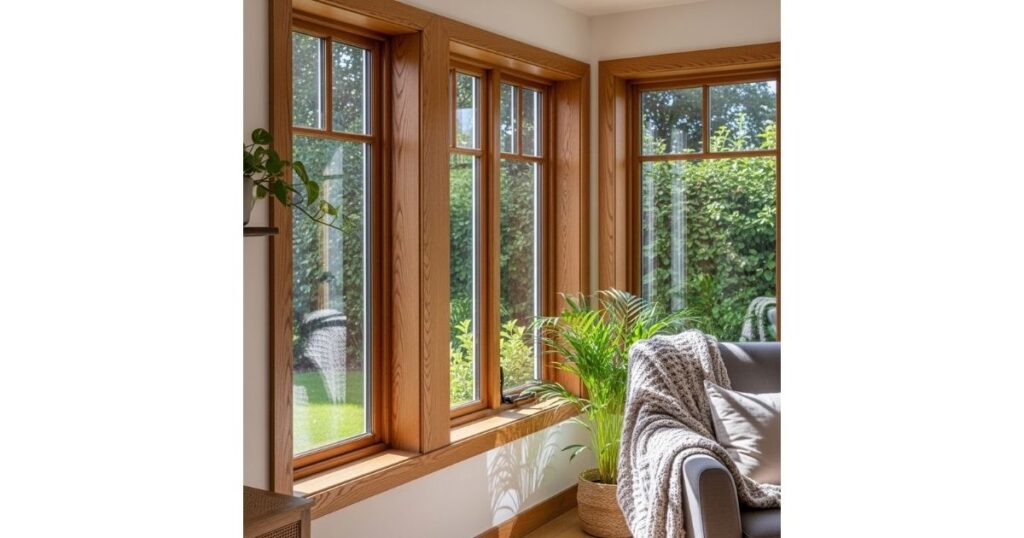
There is simply no substitute for the warmth and depth of a natural wood finish on exterior window trim. Whether you choose a penetrating oil, a semi-transparent stain, or a clear-coat sealer, letting the wood grain show through is central to the rustic aesthetic. Cedar, redwood, and reclaimed pine are all excellent choices for their natural beauty and durability.
Regular maintenance is important. Reapplying a quality exterior stain every two to three years keeps the wood protected from UV rays and moisture while preserving that warm, natural glow.
Check these products out:
- Semi-transparent exterior wood stain in cedar or redwood tones
- Penetrating oil finish for raw wood trim
- UV-protective clear exterior sealer for natural finishes
Incorporate Stained Glass
Stained glass accents within a rustic wood window trim create a stunning focal point that blends old-world artistry with natural materials. A small stained glass panel set above a standard window, framed by rough-sawn wood trim, adds color, craftsmanship, and personality to an exterior in a way that is entirely unique.
This detail works especially well on entryway windows, transom windows above doors, or narrow sidelights flanking a front entrance. The play of colored light on the interior is an added bonus.
A few relevant products:
- Handcrafted stained glass panel inserts
- Rough-sawn cedar trim boards for framing
- Lead came strips for DIY stained glass framing
Use Recycled Materials
Sustainability and style go hand in hand when you use recycled or reclaimed materials for exterior window trim. Reclaimed barn wood, salvaged lumber from old buildings, and upcycled pallet wood all offer incredible character, with weathering, nail holes, and patina that no new material can replicate.
Using recycled materials also means no two windows will look exactly alike, giving your home an authentically handcrafted personality that mass-produced trim simply cannot match.
May just do the trick:
- Reclaimed barn wood trim boards (kiln-dried for exterior use)
- Salvaged lumber sealant to preserve and protect
- Reclaimed wood corner block trim pieces
Weathered Wood Look
If you love the appearance of aged, weathered wood but want the durability of new material, weathered wood finishes and treatments are a brilliant solution. Several exterior stains and chemical treatments can replicate decades of natural weathering in just a few hours, giving new trim boards the silver-gray, sun-bleached appearance of driftwood or old barn siding.
This technique is especially popular in coastal and mountain rustic design, where weathered materials feel perfectly at home in rugged natural environments.
These products might help:
- Weathering patina solution for wood (grey or silver tones)
- Pre-weathered wood trim boards (factory finished)
- Exterior clear coat to seal and protect weathered finish
Add an Aged Patina
An aged patina look goes one step beyond weathering to add layers of subtle color variation, as if the material has spent decades exposed to sun, rain, and seasonal changes. This effect can be achieved on metal accents using chemical patina solutions, or on wood trim using layered paint and glaze techniques.
The result is a trim that looks like it has always been part of the home, with all the warmth and authenticity that comes from genuine age and character.
Some ideas to consider:
- Metal aging patina solution (for iron or copper accents)
- Gel stain layering kit for faux patina on wood
- Antiquing wax for a soft, aged finish on painted trim
Final Thoughts
Rustic exterior window trim is one of the most rewarding home improvement projects you can take on, combining beautiful natural materials with genuine craftsmanship to create a lasting impact on your home’s curb appeal. Whether you gravitate toward the simplicity of weathered reclaimed wood, the elegance of layered craftsman trim, or the charm of scalloped cottage detailing, there is a rustic trim idea on this list for every home and every budget.
The best results come from choosing materials that genuinely suit your home’s architecture and landscape. Take time to consider the texture, color, and scale of your trim in relation to your siding, your roof, and even your garden before committing to a design. And remember, even small details like the right hardware or a single built-in planter box can make an enormous difference.
Start with one or two ideas from this list, see how they work with your home, and build from there. Your windows, and your home’s overall character, will thank you.