
There is something deeply satisfying about picking up a brush and bringing the beauty of nature onto a blank canvas. Whether you are a complete beginner or someone who has been painting for years, floral art has a way of welcoming everyone. The colors, the shapes, the layering of petals, flower canvas painting ideas offer endless possibilities that never go out of style.
From a simple daisy with a cheerful yellow center to a sweeping abstract field of blooms, this guide walks you through more than 17 creative concepts to spark your next project. Each idea comes with practical tips so you can start painting with confidence, not confusion.
Minimalist Wildflower Meadow
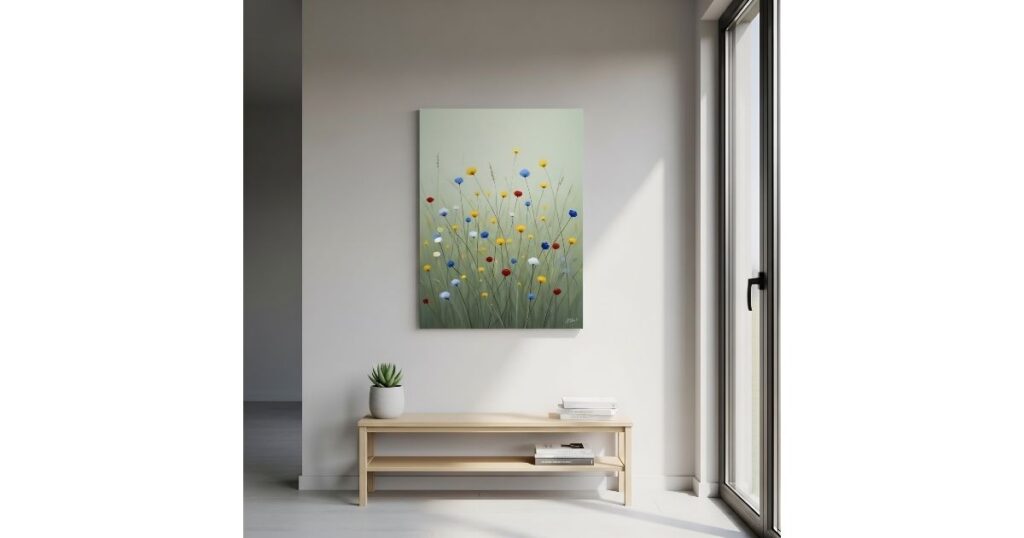
A minimalist wildflower meadow painting is one of the most beginner-friendly ideas on this list. The concept is beautifully simple: a soft pastel background covered with loosely dotted wildflowers. Think gentle lavender tones, pale sage greens, and tiny bursts of white and yellow scattered across the canvas.
You do not need to paint every petal with precision. In fact, the charm of this style lies in its looseness. Use a fine detail brush to create quick, gestural strokes that suggest flowers rather than define them perfectly.
Some ideas to consider:
- Start with a pastel acrylic background and let it dry fully before adding flowers
- Use a fine-tip brush for delicate stems and a round brush for petal clusters
- Experiment with negative space to give the painting a calm, airy feel
- Mix soft greens and whites to create depth without overwhelming the composition
A Burst of Bright Colors
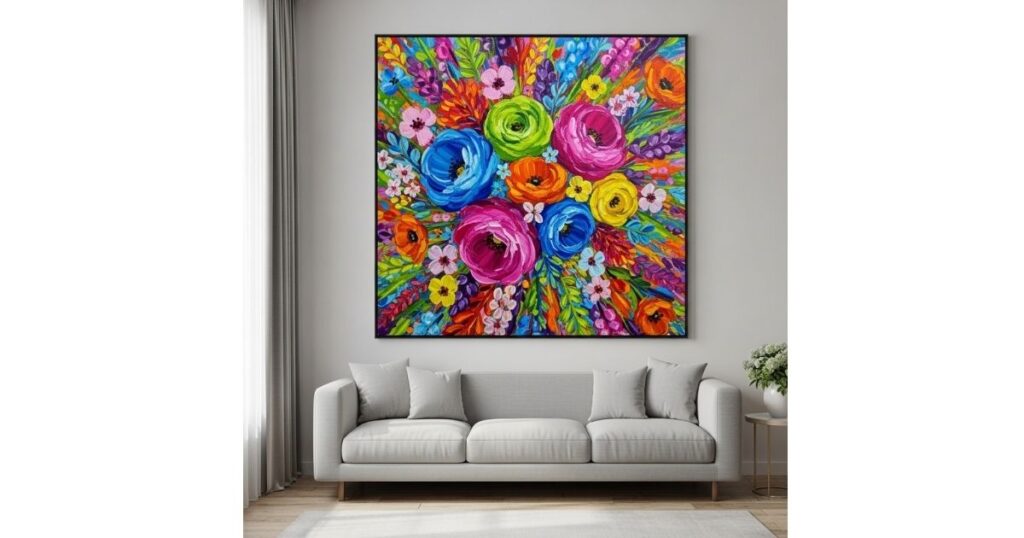
Bold, vibrant floral paintings are a popular choice for living rooms and creative spaces. This style involves layering rich, saturated colors, hot pinks, electric blues, deep oranges, to create a painting that demands attention.
The key here is contrast. Pair warm tones with cool ones to make each flower pop. You can use thick acrylic paint applied with a palette knife for added texture, or build up thin glazes of color for a more luminous effect.
A few things you might like:
- Use complementary colors like purple and yellow or red and green for maximum visual impact
- Apply paint in short, confident strokes to build energy and movement
- Do not over-blend, keeping colors slightly separate creates vibrancy
- A black or deep navy background can make bright petals look especially striking
Simple Daisy Delight
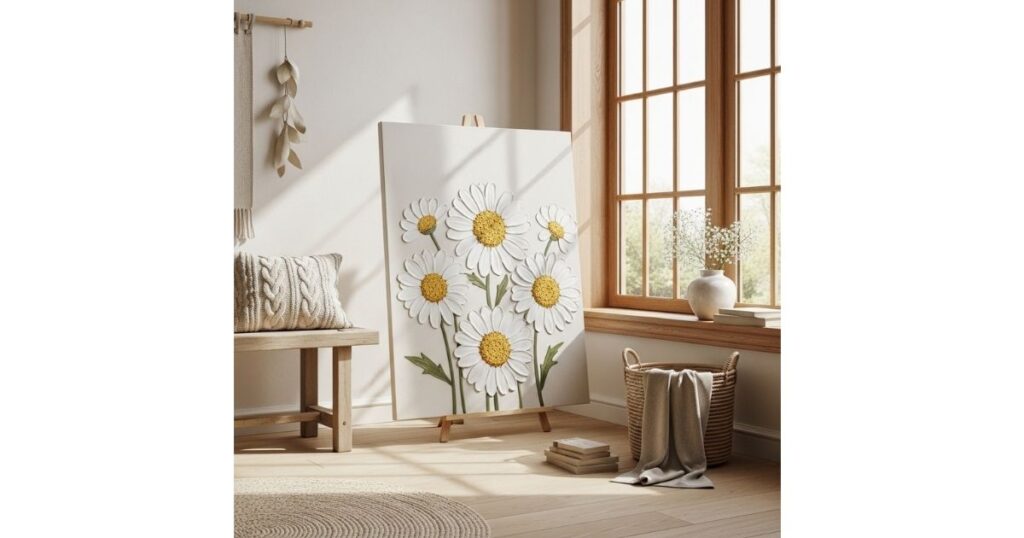
Daisies are the perfect starting point for anyone new to flower canvas painting. Their structure is forgiving and easy to replicate: white petals radiating outward from a cheerful yellow center. You can paint a single daisy for a clean, modern look or fill the canvas with overlapping blooms for a lush, garden-inspired feel.
Use a round brush and start from the center outward. Layer a second round of petals slightly offset from the first to add dimension without much effort.
These products might be useful:
- Round brushes in two or three sizes for petal control and center detailing
- A stretched canvas in a small format to keep the project manageable
- Titanium white and cadmium yellow acrylic paints for authentic daisy tones
- A thin liner brush for adding fine stems and leaf edges
Sunflower Sunshine
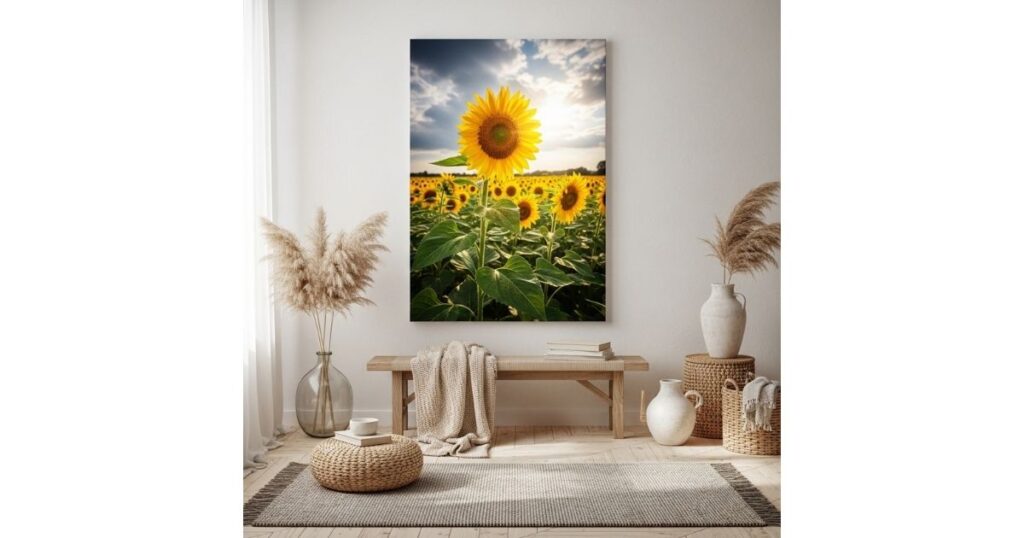
Sunflowers are one of the most beloved subjects in floral canvas art. Their large, golden heads and bold brown centers make them instantly recognizable and endlessly satisfying to paint. A single oversized sunflower fills a canvas beautifully, while a grouping of three at different heights creates natural visual balance.
Pay attention to the direction of your petals, sunflower petals typically sweep slightly backward and curve at the tips. Use a fan brush or a flat brush held sideways to mimic this natural motion.
A few helpful options:
- Cadmium yellow and raw sienna make a convincing sunflower petal palette
- Paint the dark center first and build petals outward for better proportioning
- Add small seeds in the center using the tip of a detail brush or the end of a pencil
- Deep green leaves with visible veining add realism and anchor the composition
Abstract Petal Play
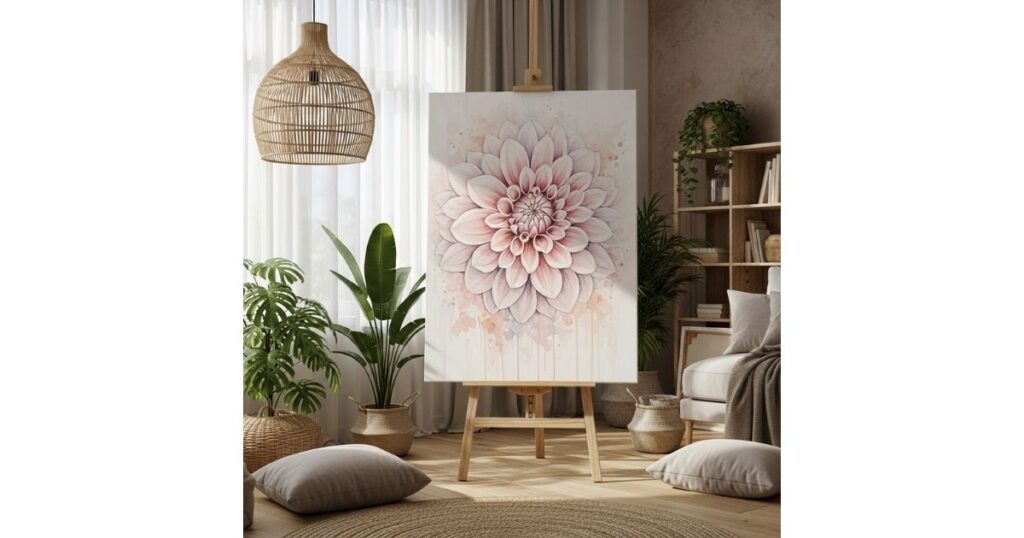
If you enjoy creative freedom more than precise replication, abstract petal painting is your ideal canvas idea. This approach focuses on shape, color, and movement rather than realistic flower forms. Think swooping brushstrokes, layered transparencies, and colors that bleed into one another.
This style works beautifully with both acrylics and watercolors. With acrylics, try blending colors directly on the canvas while they are still wet. With watercolors, allow pigment to bloom naturally across a wet surface for an organic, dreamy result.
Possibly handy products:
- Fluid acrylics or watercolor paints for smooth color transitions
- A wide flat brush for sweeping, gestural petal strokes
- Palette paper or a tile for mixing and testing color blends before applying
- Gesso primer to give your canvas a smooth, receptive surface
Tulip Charm
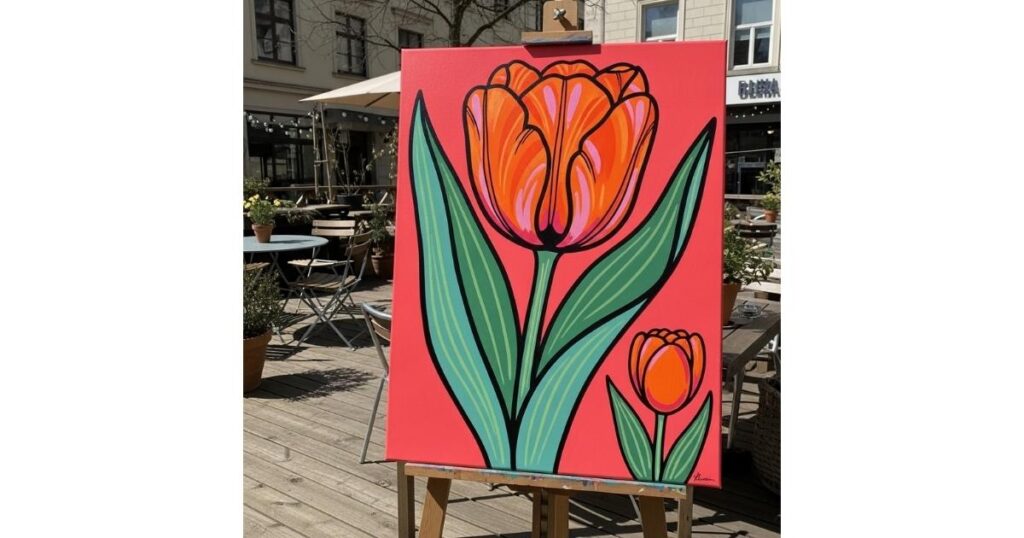
Tulips have a graceful elegance that translates beautifully onto canvas. Their smooth, cup-shaped petals are less complex than roses, making them accessible for intermediate painters while still offering room for artistic expression. Try painting a row of tulips at varying heights against a soft sky background for a spring garden effect.
Work from the back of the composition to the front, adding overlapping blooms to create a sense of depth. Tulips look stunning in rich jewel tones, deep crimson, royal purple, and saturated coral.
A few suggestions:
- Sketch light pencil guidelines before painting to keep your tulips evenly spaced
- Use a filbert brush for the smooth, rounded petal edges tulips are known for
- Add a soft gradient sky in the background before your flowers dry
- Highlight each petal with a slightly lighter version of your base color to add volume
Monochromatic Blooms
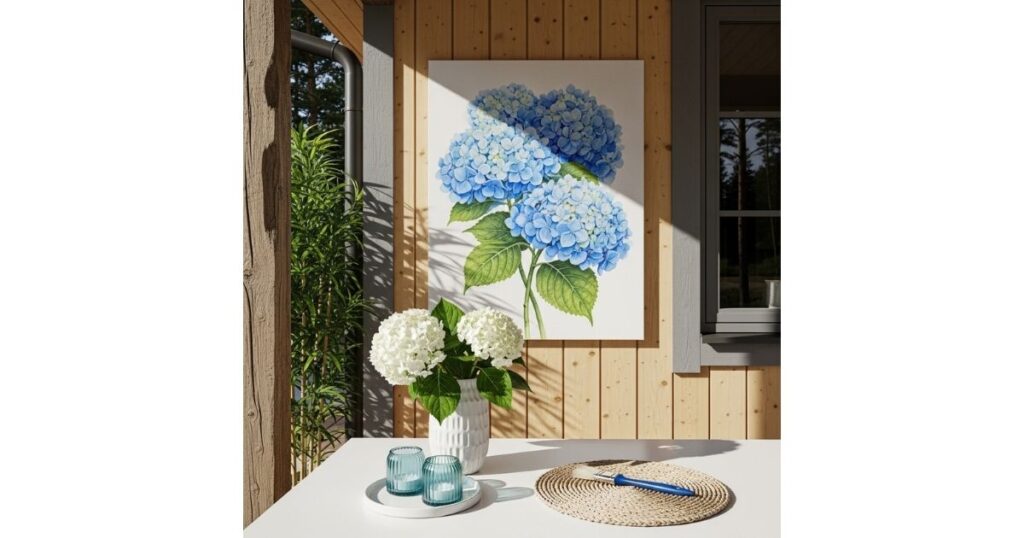
Monochromatic flower paintings use a single color in varying shades and tints to create a visually sophisticated piece. Choose one hue, blue, rose, or soft purple, and build your entire painting from light to dark within that color family. The result is elegant, gallery-worthy, and surprisingly easy to pull off.
This technique also builds valuable color-mixing skills. You will learn how adding white creates tints, adding black creates shades, and the range in between defines form and dimension.
Might be a good match:
- A limited palette of one tube color plus white and black acrylic paints
- Canvas panels in a vertical orientation to showcase tall, elegant flower stems
- A blending medium to slow drying time and ease color transitions
- Step-by-step painting references to help you map light and shadow effectively
Close-Up Floral Details
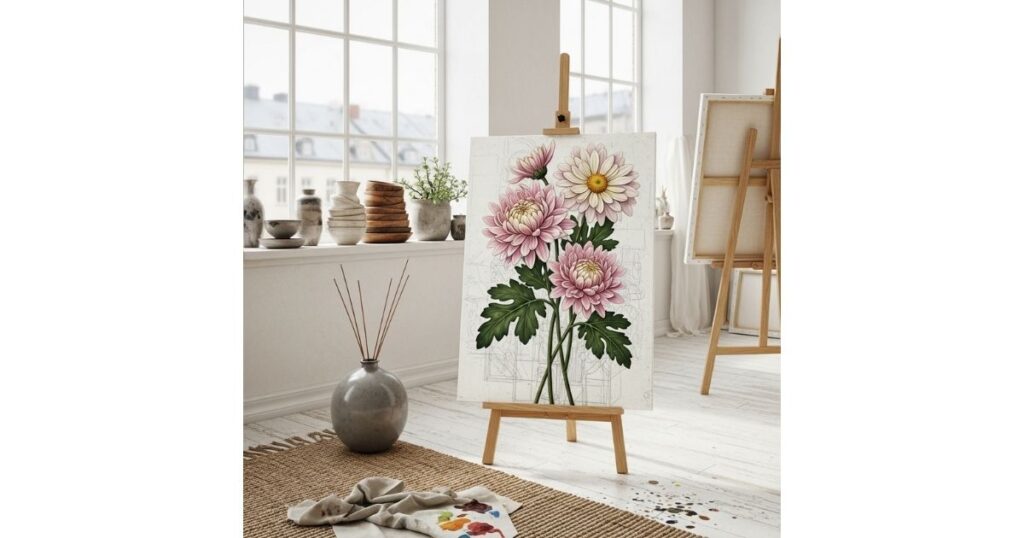
Macro-style floral paintings, where a single flower or even part of one fills the entire canvas, create dramatic, intimate artwork. Think of painting just the center of a rose, the veining on a magnolia petal, or the delicate stamen of a lily up close.
This style requires patience and a keen eye for detail, but the results are striking. Use fine brushes for precise lines and a magnification reference photo to capture the micro-textures that make close-up floral art so compelling.
You might like:
- A set of detail brushes including a liner, a micro-round, and a spotter brush
- High-resolution flower reference photos for accurate color and texture details
- Slow-dry acrylic medium to allow for smooth blending across petal surfaces
- A large canvas, at least 16×20 inches, to give the close-up effect full impact
Mixed Flower Arrangements
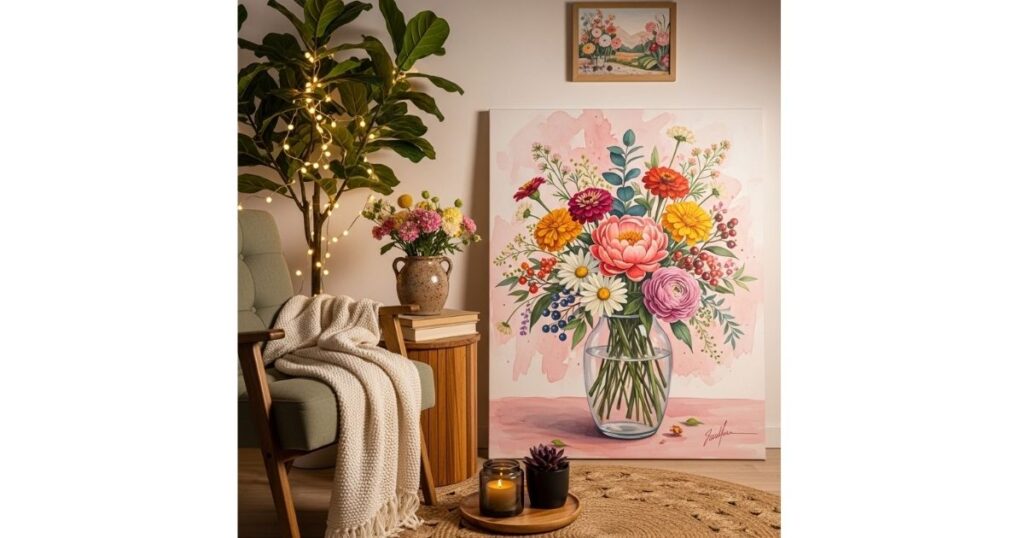
Painting a bouquet or mixed flower arrangement on canvas allows you to experiment with multiple flower types in one composition. Combine roses, daisies, wildflowers, and leafy sprigs to create an abundant, lush painting that feels like a garden in full bloom.
The challenge with mixed arrangements is visual cohesion. Choose a consistent color palette and let some flowers overlap naturally. Start with background blooms painted loosely, then add foreground flowers with more detail and sharper edges.
Some handy options:
- A basic set of at least six to eight acrylic paint colors to cover warm and cool tones
- Reference a classic Dutch Master still life painting for composition and lighting cues
- Use varying brush sizes: wide for background fills, thin for stem and leaf details
- Add depth by painting some flowers in full detail and leaving others soft and blurred
Innovative Heart-Shaped Blooms
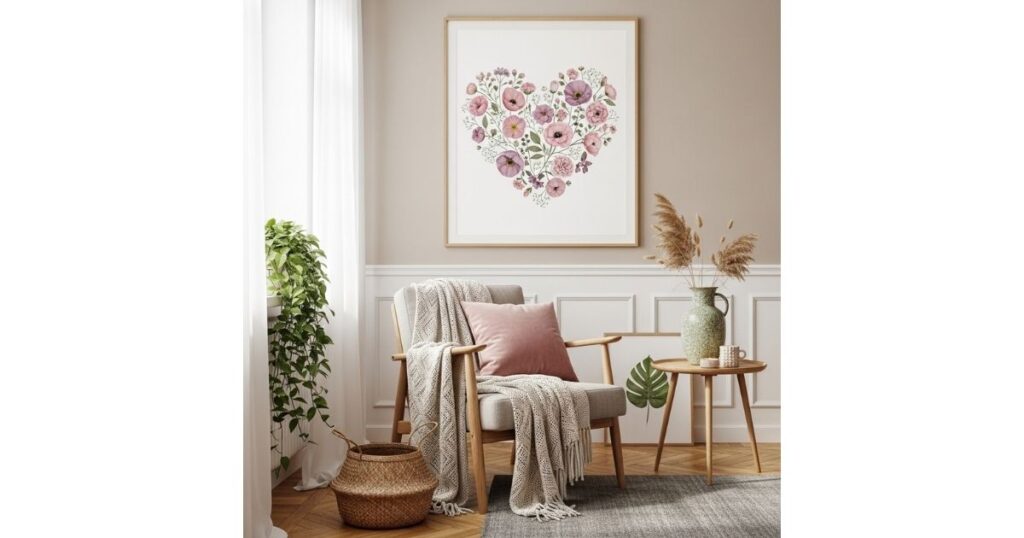
Combining floral art with a recognizable symbol like a heart creates a painting that feels both personal and decorative. You can arrange small flowers in the shape of a heart, paint heart-shaped petals on fantasy blooms, or use negative space to let a heart form naturally within a floral cluster.
This concept works beautifully as a gift painting or a statement piece for a bedroom or nursery. Keep the palette soft and romantic for a tender feel, or go bold and graphic for a modern pop art effect.
Give these a look:
- Pencil or chalk to lightly sketch the heart outline before adding flowers
- Small round brushes for filling the heart silhouette with tiny, detailed blooms
- Soft rose, ivory, and lavender acrylic colors for a romantic, feminine palette
- A fine brush loaded with white paint for adding highlight dots across each petal
Lavender Fields Forever
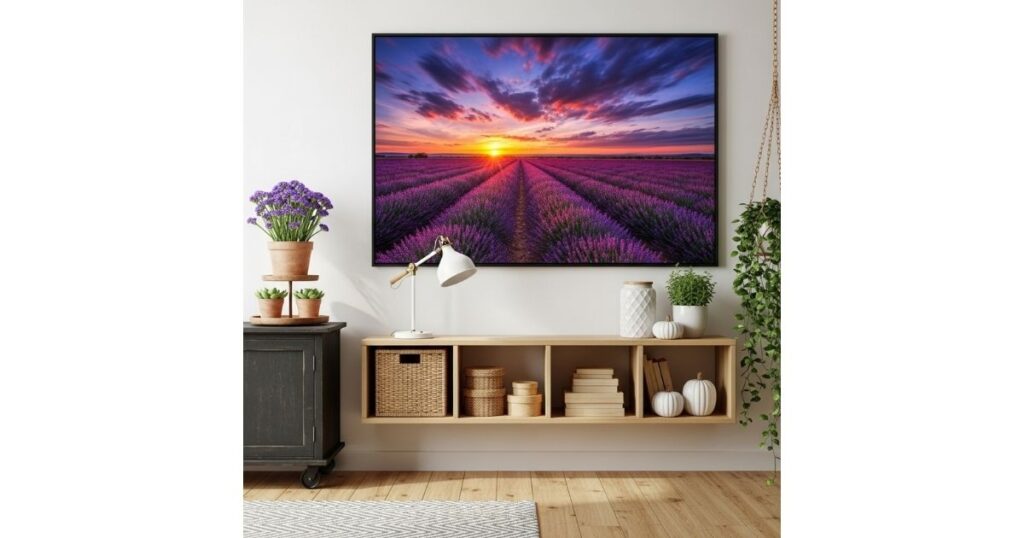
Few subjects in floral painting evoke as much calm as a lavender field stretching toward a soft horizon. The repetitive, rhythmic nature of lavender stalks makes this an ideal project for practicing brushstroke consistency and building confidence with texture.
Use a fan brush or a dry-brushing technique with a flat brush to create the feathery texture of lavender sprigs. Work in rows from back to front, making the back rows slightly smaller and lighter to create perspective.
Possibly helpful picks:
- Dioxazine purple, white, and ultramarine blue for a realistic lavender color palette
- A fan brush or an old flat brush splayed at the bristles for textured lavender tips
- A soft horizon background in pale lavender or warm peach before adding the field
- Titanium white loaded lightly over dry purple to create sunlit highlights on stalks
Dynamic Lilies
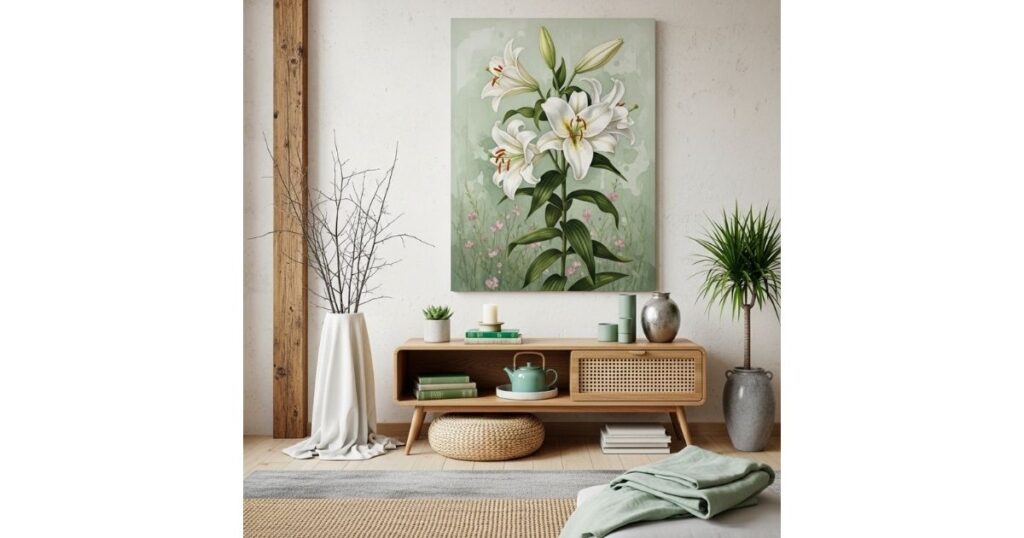
Lilies are bold, structural flowers with dramatic petal curves and striking stamens that make them excellent canvas subjects. Their long, reflexed petals and prominent central details offer both a technical painting challenge and a visually rewarding result.
Tiger lilies, stargazer lilies, and calla lilies each bring a different energy to the canvas. Calla lilies in particular are popular for their clean, sculptural form, a single calla in white against a dark background is a timeless and powerful composition.
A few relevant products:
- Ivory black or Payne’s grey for deep, dramatic backgrounds that make lily petals glow
- A round brush with a fine tip for painting the delicate stamens and pistil details
- Cadmium orange, alizarin crimson, and titanium white for realistic tiger lily tones
- Wet-on-wet oil painting techniques for especially smooth blending across wide petals
Single Bloom Focus
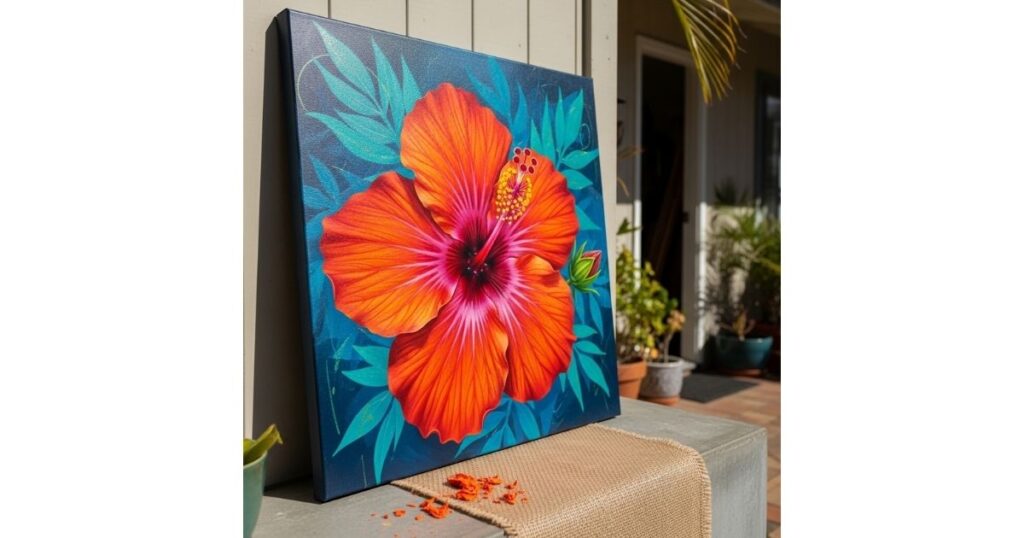
Sometimes the most impactful flower canvas painting is the simplest one: a single, beautifully rendered bloom centered on the canvas. This approach lets you devote full attention to getting one flower exactly right, the light catching each petal, the subtle color variations, the depth within the center.
A single bloom painting also fits beautifully into gallery walls or minimalist interiors. Choose a flower with personal meaning or one whose colors complement your space.
Explore these options:
- A single pre-stretched canvas in a square format for a balanced, gallery-ready look
- One or two high-quality brushes rather than a large set for focused, intentional painting
- A color study or small thumbnail sketch before committing to the full canvas
- Thin, transparent glazes of color built up gradually for luminous, dimensional petals
Layered Flower Depth
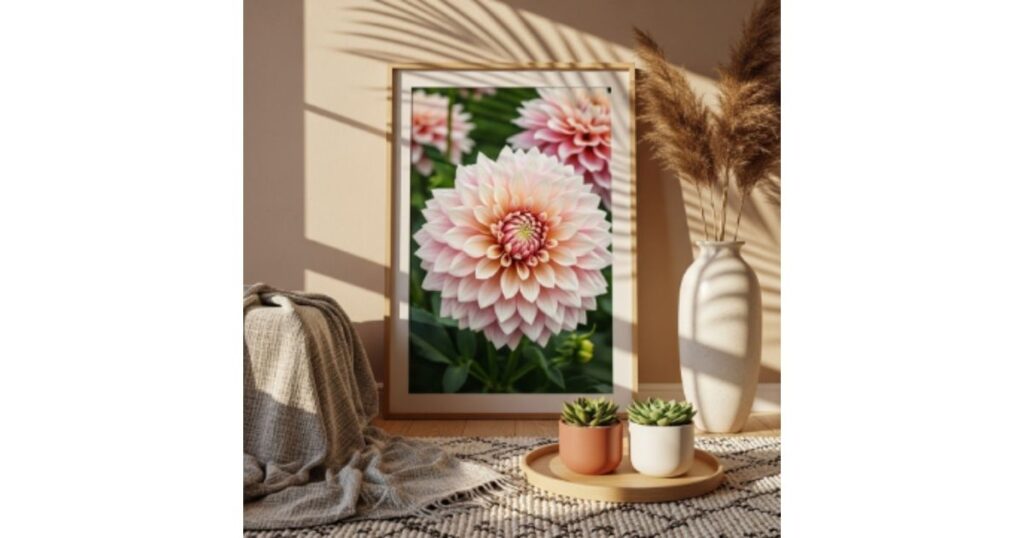
Creating a sense of depth in floral painting transforms a flat arrangement into something that feels three-dimensional and alive. The technique involves painting flowers at different scales, values, and levels of detail, with background flowers soft and muted and foreground flowers crisp and vivid.
Use an atmospheric perspective approach: cooler, lighter colors recede while warmer, darker tones advance. This principle works in both realistic and abstract floral compositions.
A few choices to try:
- Glazing medium mixed with acrylic paint for transparent, layered depth effects
- Three tonal values: light, mid, and dark within each flower for convincing volume
- Overlapping petals with slightly different colors to show flowers passing behind one another
- A light misting of water between layers to keep acrylics workable while you build depth
Playful Flower Patterns
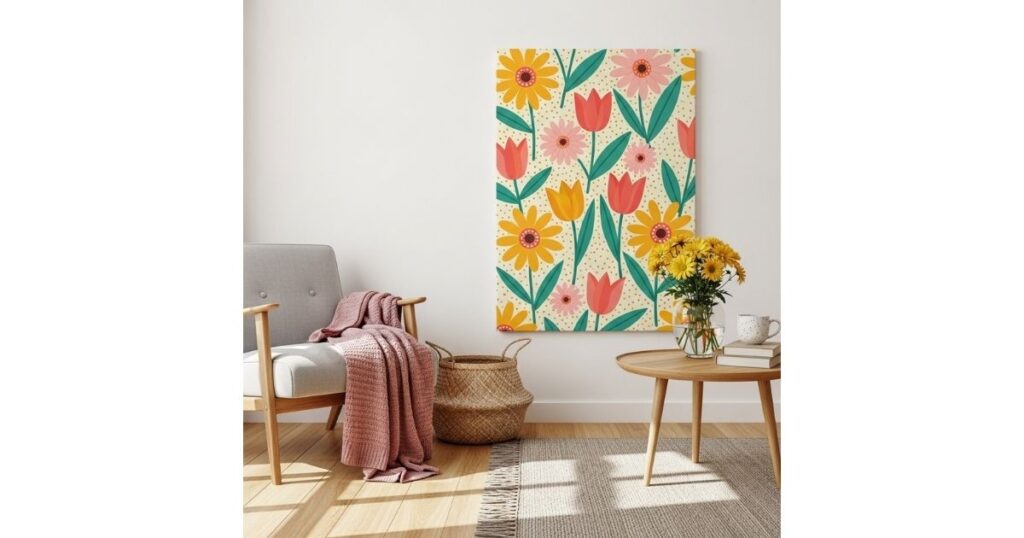
Repeating floral patterns on canvas bridge the gap between fine art and surface design. Think rows of stylized blooms, geometric arrangements of petals, or whimsical scattered flowers across a brightly colored ground. This style is joyful, versatile, and perfect for decorating a child’s room or brightening a kitchen wall.
Use a pencil to lightly map your pattern before painting, or embrace a more spontaneous approach and build the pattern intuitively as you go. Consistency in brush pressure and petal size gives the pattern a satisfying, hand-crafted rhythm.
Check these products out:
- A set of blank canvas panels in multiple sizes for testing different pattern scales
- Bright, opaque acrylic paints in a range of colors for clean, crisp pattern work
- A small ruler or pencil grid for spacing flowers evenly across the canvas surface
- Acrylic ink or a paint marker for adding fine outlines that sharpen each floral shape
Frequently Asked Questions
What type of paint is best for flower canvas paintings?
Acrylic paint is the most popular choice for canvas flower art due to its fast drying time, vibrant colors, and versatility across all skill levels.
Can beginners paint flowers on canvas?
Absolutely. Start with simple subjects like daisies or sunflowers, use round brushes, and focus on basic petal shapes before working up to more detailed compositions.
What canvas size is best for flower painting?
An 8×10 or 11×14 inch canvas works well for beginners, while more detailed or close-up floral paintings benefit from a larger surface like 16×20 inches.
Do I need to sketch flowers before painting?
Light pencil sketching is helpful for beginners to map proportions and placement, but many experienced painters work directly with paint to maintain a fresh, spontaneous feel.
How do I make my flower paintings look more realistic?
Focus on layering light and shadow, vary your petal colors slightly, and use a reference photo. Adding highlights with a lighter version of each base color adds dimension instantly.
What brushes do I need for flower canvas painting?
A basic set with a round brush, flat brush, fan brush, and fine liner brush covers most floral painting needs from broad background fills to delicate petal details.
Conclusion
Flower canvas painting is one of the most rewarding creative journeys you can take, no matter where you are in your artistic development. Whether you are drawn to the quiet beauty of a monochromatic bloom, the lush complexity of a mixed arrangement, or the playful freedom of an abstract petal study, there is a style here that will feel like home.
The best advice is straightforward: start. Pick one idea from this list, gather your paints and brushes, and let the canvas become your garden. Every petal you paint builds your skills, and every finished piece builds your confidence.