
If you have ever walked into a room and immediately felt at home, chances are the trim work had something to do with it. Rustic trim molding is one of the most underrated design choices you can make, yet it has the power to completely transform a plain interior into a warm, character-rich space. Whether you are renovating a farmhouse, updating a suburban home, or building a log cabin retreat, the right rustic wood trim can tie every design element together in a way that feels natural and intentional.
From knotty pine baseboards to reclaimed wood ceiling trims, this guide covers 21+ creative rustic trim molding ideas that blend craftsmanship, warmth, and timeless style. Let us explore what works, what products can help, and how to bring that cozy, nature-inspired look into your own home.
Layered Trim Effects
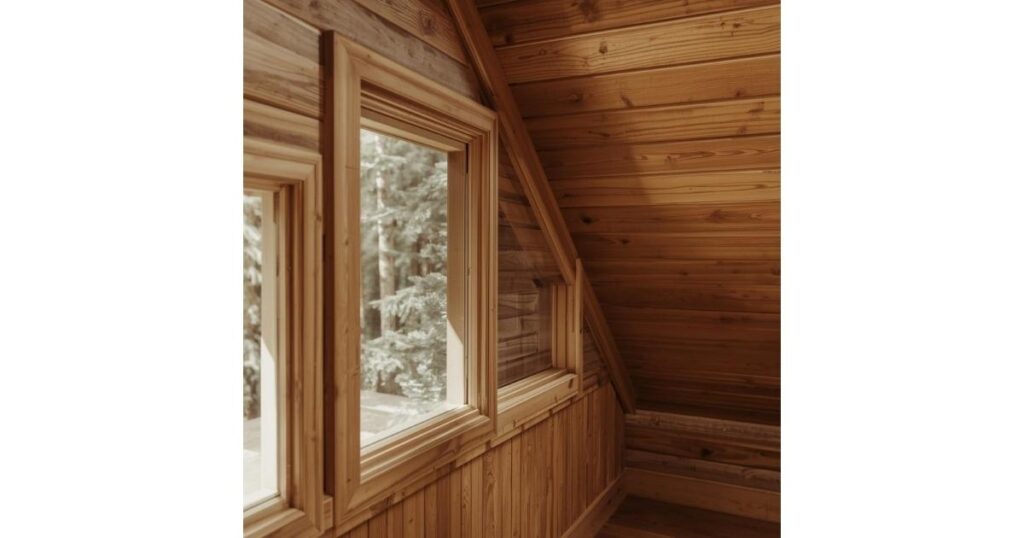
One of the most sophisticated techniques in rustic interior design is layering different trim profiles to create depth and dimension. Instead of using a single flat molding, you stack multiple pieces, such as a base cap on top of a baseboard or a built-up crown with multiple profiles, to achieve an architectural look that draws the eye upward and outward.
Layered trim works especially well in living rooms and dining spaces where you want a sense of grandeur without sacrificing that warm, handcrafted feel. Combining a rough-sawn outer band with a smoother inner profile gives rooms a perfectly balanced rustic-modern finish.
Check if these fit your needs:
- Rustic Wood Trim Molding Kit: adds rich texture and layered depth
- Decorative Wood Beam Covers: creates built-up architectural interest on ceilings
- Textured Wall Paneling: provides a stunning base layer for layered trim effects
Earthy Tones
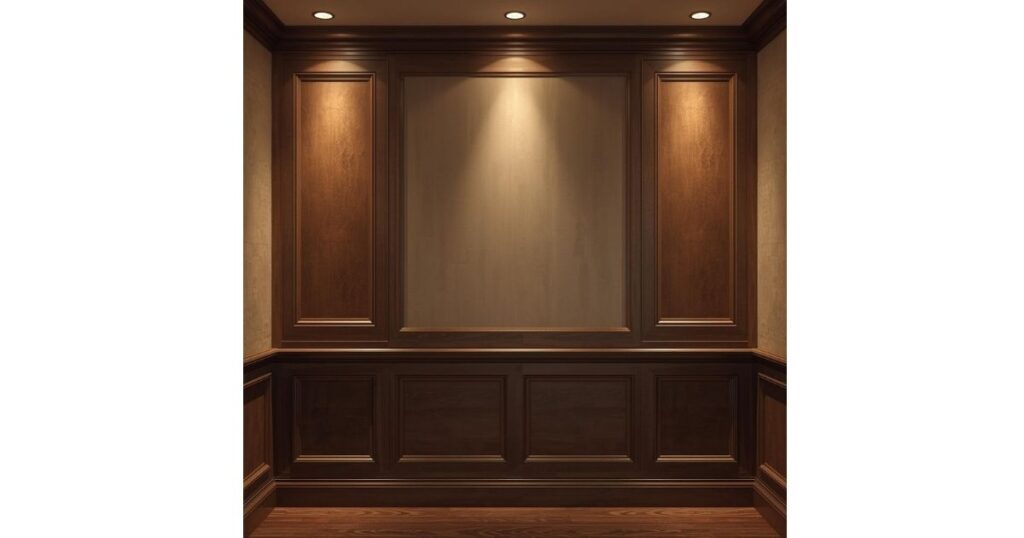
Color plays a massive role in how trim molding reads in a room. Earthy tones, think warm browns, muted greens, soft terracottas, and creamy beiges, make rustic trim molding feel intentional rather than accidental. When your trim color echoes the natural world outside, your interior immediately feels more grounded and inviting.
Pairing walnut-stained trim against warm white walls or choosing a honey-oak finish alongside stone tile floors creates a harmonious palette that never goes out of style. The key is to avoid stark whites in full-on rustic spaces and instead lean toward off-whites, warm grays, or natural wood stains.
Some handy options:
- Earth-tone Wood Stain Set: ideal for matching trim to natural, organic interiors
- Decorative Corner Brackets: add earthy architectural detail with minimal effort
- Vintage Nailhead Trim: brings in warm metallic contrast against natural wood tones
Rustic Baseboard Ideas
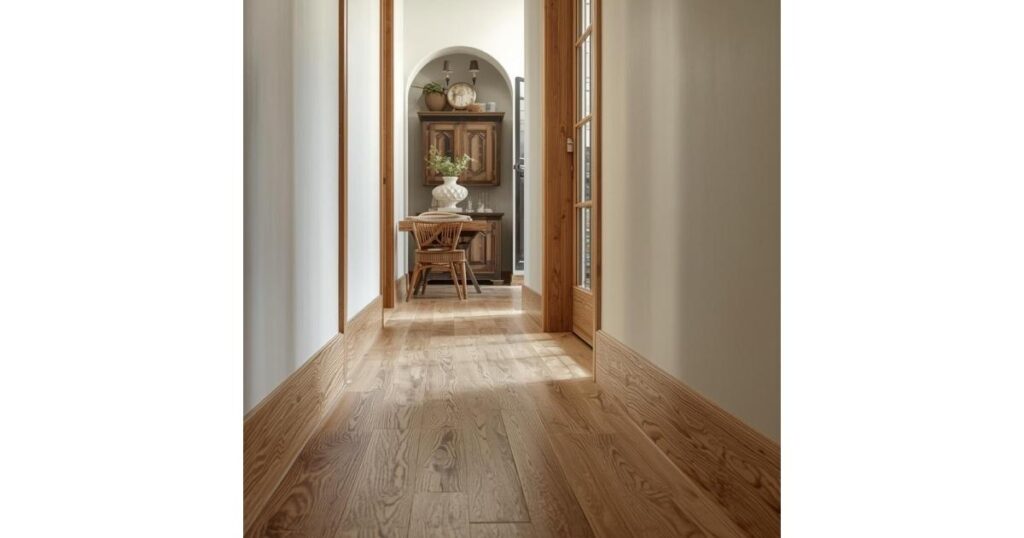
Baseboards are the foundation of any trim scheme, and in a rustic space, they deserve more than a thin strip of painted MDF. Wide, chunky baseboards in knotty pine or hand-hewn wood instantly ground a room and give it a sense of permanence. A 5- to 7-inch baseboard with a simple ogee or stepped profile looks especially stunning in bedrooms, hallways, and open-plan living areas.
You can also leave the wood in a natural, lightly sanded state and apply a matte sealer to preserve the grain character and natural knots that make rustic baseboards so visually rich.
Possibly helpful picks:
- Knotty Pine Baseboard Molding: perfect for achieving that classic log cabin baseboard look
- Wide Plank Base Trim: provides bold, grounding presence in any rustic room
- Prefinished Pine Trim Boards: ready to install with a warm, natural finish already applied
Rustic Crown Molding
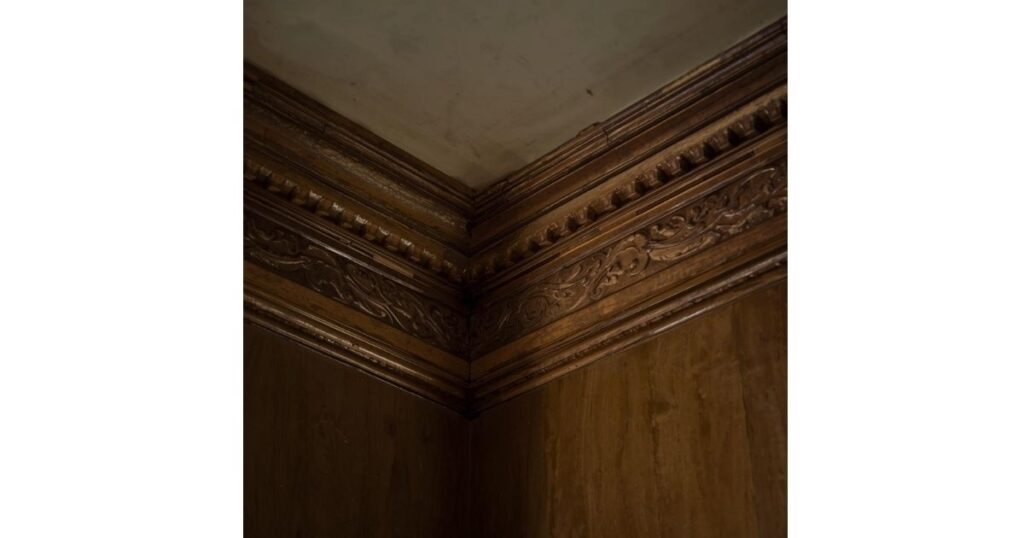
Crown molding may seem like a formal design element, but in a rustic context it becomes something entirely different. Rough-hewn or hand-scraped crown profiles in cedar or reclaimed pine soften the transition between walls and ceiling in a way that feels organic rather than ornate. A chunky, slightly imperfect crown molding profile is actually more desirable here because the irregularity is part of the charm.
For farmhouse or cabin-style spaces, consider skipping the traditional cove profile and opting for a stepped crown built from two or three simple boards. It is a DIY-friendly approach that looks incredibly polished when done right.
You might like:
- Rustic Pine Crown Molding: adds handcrafted warmth to any ceiling-wall transition
- Faux Wood Beam Crown Accents: lightweight and easy to install in any ceiling height
- Hand-Scraped Wood Crown Profiles: bring authentic texture and old-world character
Barn Door Charm
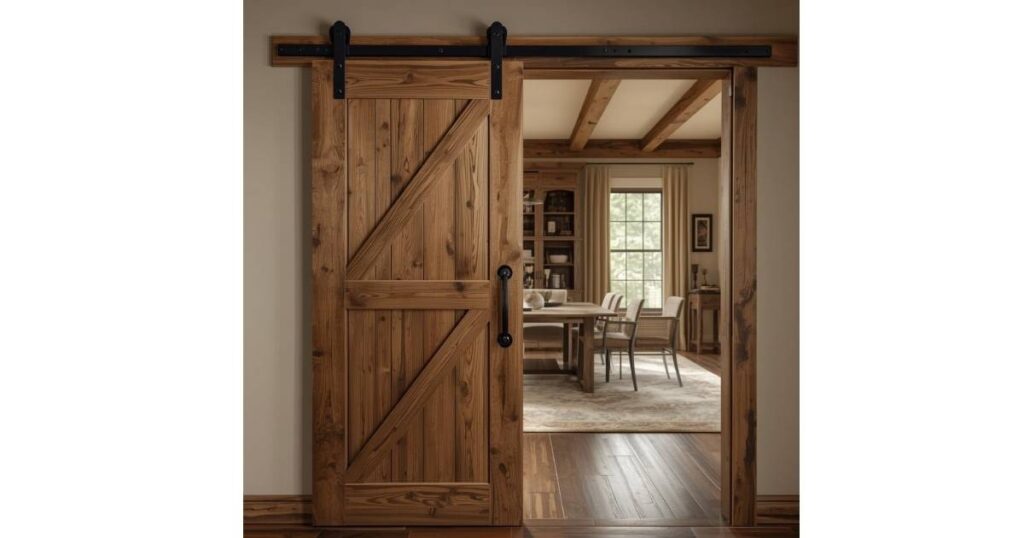
A barn door is not just a functional element; it is a statement piece that anchors a rustic design scheme. Framing a barn door with thick, distressed wood trim elevates it from a simple sliding panel to a genuine architectural focal point. Choose trim boards in a similar wood species or tone to the door itself, then add iron hardware to complete the industrial-farmhouse look.
This combination works beautifully in entryways, laundry rooms, home offices, and master bedroom transitions where a standard door would feel too ordinary.
Explore these options:
- Sliding Barn Door Hardware Kit: includes all mounting components for a clean install
- Distressed Wood Door Trim: perfectly matches rustic barn door panels
- Oil-Rubbed Bronze Door Casing Nails: add a period-appropriate finishing touch
Textured Wall Panels
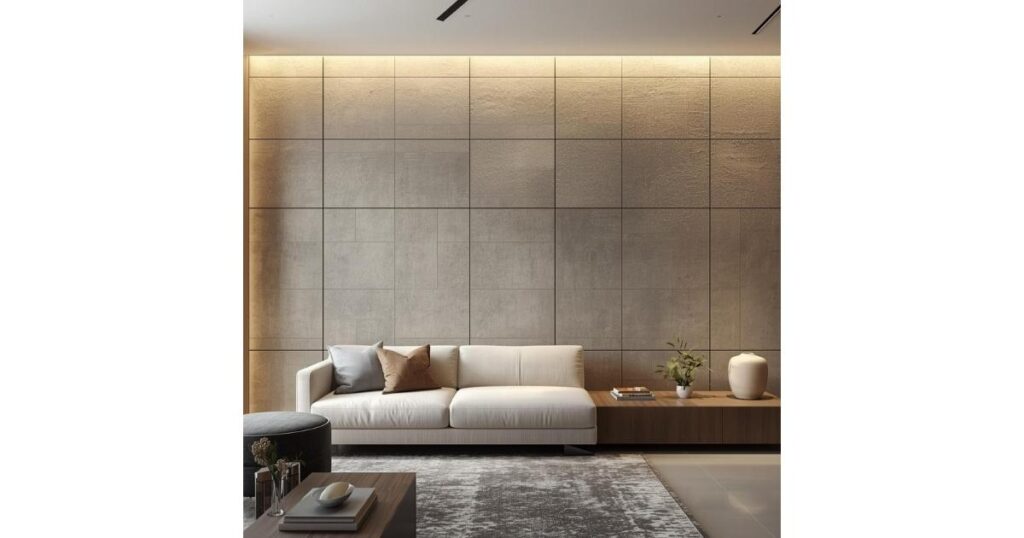
Wall panels bring an entirely new dimension to rustic interiors, literally. Whether you choose beadboard, shiplap, or rough-sawn vertical planks, pairing textured wall panels with complementary rustic trim creates a cohesive, layered look that transforms flat, boring walls into design features.
The trim around textured panels matters just as much as the panels themselves. Use a slightly thicker casing or cap rail to frame the panel sections and give the eye a clear visual boundary to follow.
Products that could assist:
- Shiplap Wall Panel Boards: the go-to choice for farmhouse-inspired wall texture
- Beadboard Wall Paneling: classic and versatile for kitchens, bathrooms, and hallways
- Rustic Plank Panel Trim Molding: ideal for capping and framing paneled wall sections
Exposed Wooden Beams
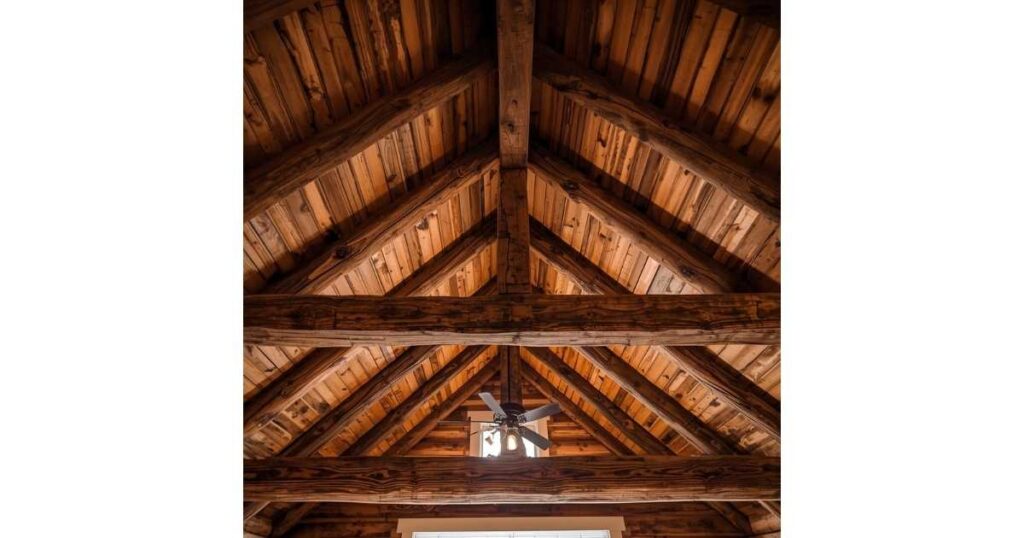
Few design elements communicate rustic warmth quite as powerfully as exposed wooden beams. Whether structural or decorative, ceiling beams in natural or reclaimed wood add a sense of history and craftsmanship that is nearly impossible to replicate with any other material.
Faux wood beam covers are a practical and affordable option for homeowners who want the look without the structural undertaking. They slip over existing ceiling elements and install without the need for major construction, making them one of the best upgrades you can do in a weekend.
Give these a look:
- Faux Wood Ceiling Beam Covers: achieve the exposed beam look with easy DIY installation
- Reclaimed Timber Beam Wraps: bring authentic character to any ceiling height
- Knotty Pine Beam Cover Kits: match beautifully with pine paneling and trim throughout
Rustic Entryway Accents
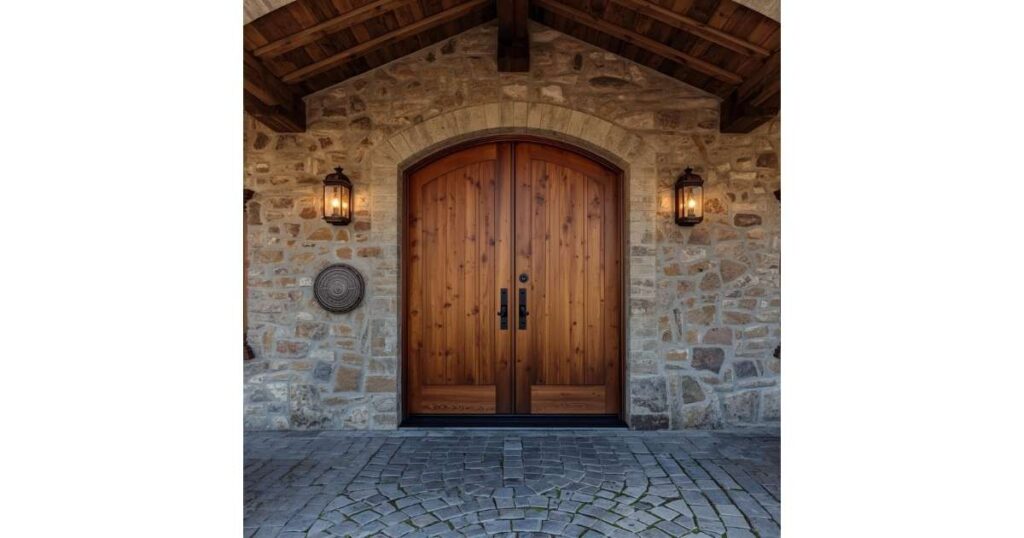
Your entryway is the first impression guests get of your home, and rustic trim can make that impression unforgettable. Think wide door casings in natural wood, built-up header trim above doorways, and chunky baseboard returns that frame the entry space with authority. Adding a simple plinth block at the base of each door casing immediately elevates the whole look and gives the space a more finished, intentional feel.
Layering trim in the entryway is also a great strategy. A board-and-batten treatment on the lower half of the wall, capped with a thick chair rail, creates a welcoming statement that guests will notice the moment they step inside.
These products might help:
- Rustic Wood Door Casing Set: frames entryway openings with warm, natural character
- Decorative Plinth Block Corner Pieces: finish baseboard-to-casing transitions cleanly
- Board and Batten Entryway Trim Kit: creates a bold, welcoming wainscoting effect
Rustic Corner Treatments
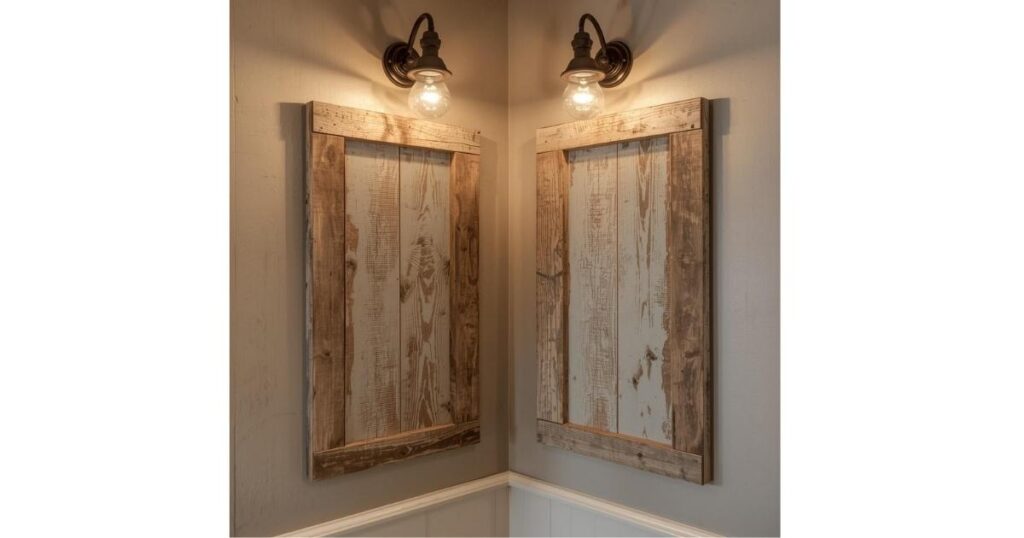
Corners are often overlooked in trim planning, but they are some of the most visible intersections in any room. Rustic corner treatments, such as column-style corner boards, stacked plinth details, or simple butted corner assemblies in rough-sawn wood, prevent corners from looking unfinished and tie together the trim scheme across all four walls.
Corner blocks or rosette accents at door and window corners add a furniture-like quality to the room that speaks to craftsmanship and attention to detail.
May just do the trick:
- Decorative Wood Corner Blocks: elegant and easy to use at door and window intersections
- Stacked Corner Plinth Trim: creates a solid, furniture-grade corner finish
- Rustic Wood Rosette Accents: add charm at every trim junction in the room
Rustic Chair Rails
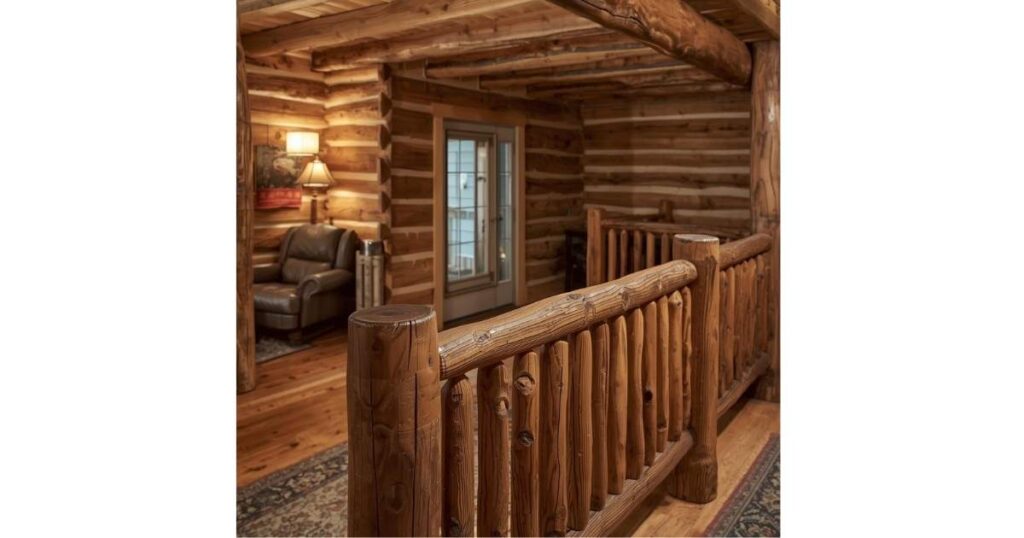
Chair rails serve a dual purpose: they protect walls from furniture scuffs and divide the wall into two design zones, each of which can be treated differently. In a rustic interior, a chunky chair rail in natural pine or cedar separates a rough-textured lower panel from a smooth painted upper wall, creating beautiful contrast and visual balance.
Chair rail height typically falls between 32 and 36 inches from the floor, though in rooms with taller ceilings you may want to push it higher for better proportion.
Possibly handy products:
- Knotty Pine Chair Rail Molding: sturdy and naturally beautiful for rustic interiors
- Colonial Style Chair Rail Profile: a classic shape that reads as rustic with the right wood species
- Three-Bead Chair Rail Trim: adds decorative texture to the most-touched wall zone
Eclectic Trim Mix
Who says every piece of trim in a room must match perfectly? An eclectic trim approach mixes different profiles, wood tones, or even materials to create a collected-over-time look that feels genuinely lived-in. Try combining a smooth painted baseboard with a rough-sawn window casing, or pair a whitewashed shiplap wall with dark walnut crown molding.
The trick is to find a unifying thread, whether that is a consistent wood tone, finish sheen, or profile weight, so the mix reads as intentional rather than haphazard.
A few choices to try:
- Mixed Rustic Trim Molding Set: includes multiple complementary profiles for an eclectic look
- Whitewash Wood Trim Finish Kit: perfect for combining with darker natural wood accents
- Decorative Wood Bracket Assortment: adds character and variety to any trim scheme
Shiplap Trim
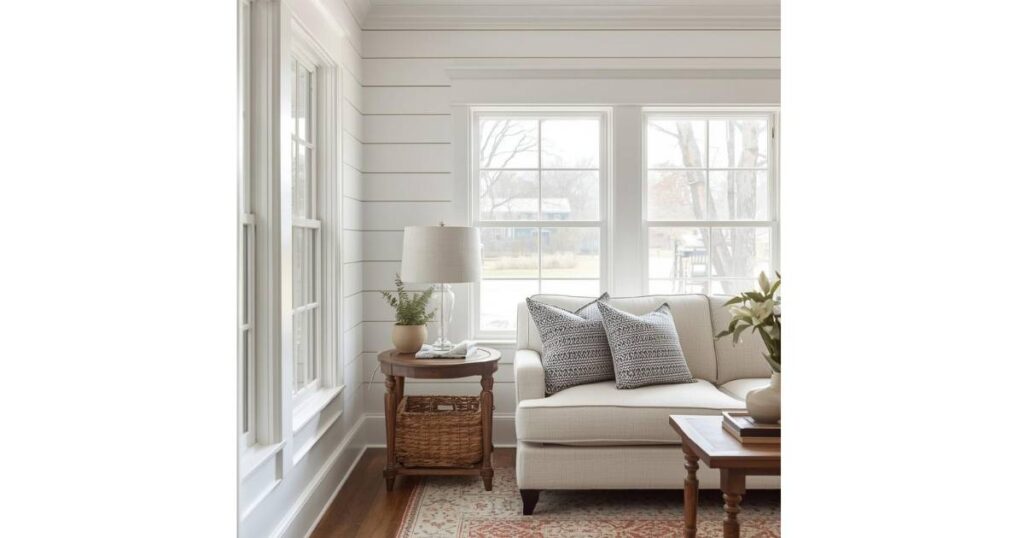
Shiplap has earned its place as one of the most beloved rustic design elements of the past decade, and for good reason. The horizontal overlapping planks create a rhythm of shadow lines that make any wall more interesting. When paired with complementary trim at the top, bottom, and corners, shiplap becomes a complete wall system rather than just a surface treatment.
White shiplap with natural wood trim is a timeless combination, while natural wood shiplap with a contrasting painted trim gives rooms a bold, graphic edge.
Check these products out:
- White Shiplap Wall Panels: the classic farmhouse shiplap look, ready to install
- DIY Shiplap Trim Kit: beginner-friendly, all-inclusive for a clean first project
- Rustic Shiplap Boards: authentic wood character with consistent dimensions for easy hanging
Rustic Shelving
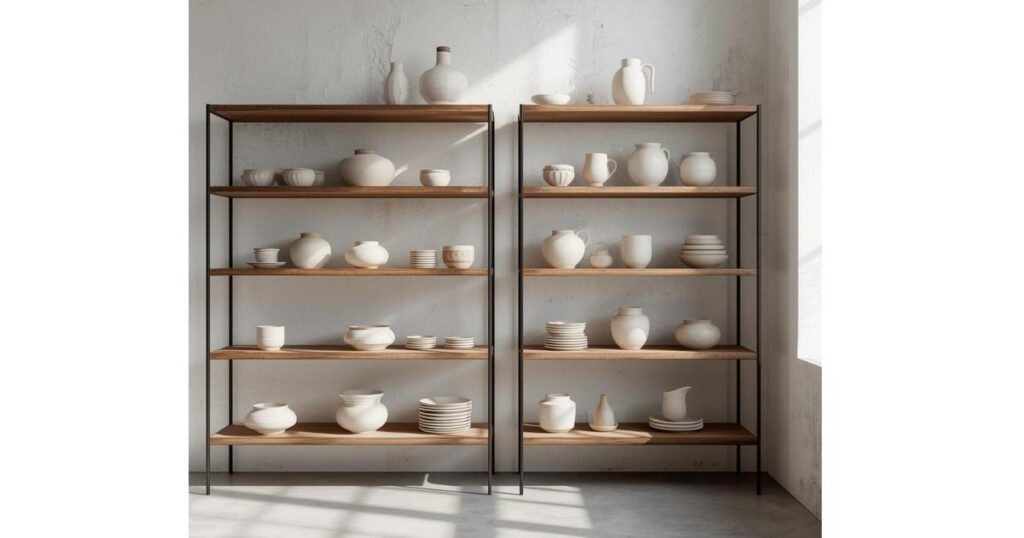
Open shelving framed with rustic wood trim is both functional and beautiful. Floating shelves in reclaimed wood or knotty pine, bracketed with iron supports and framed by simple trim molding, create display areas that feel casual and curated at the same time.
In kitchens and bathrooms especially, rustic shelving with well-chosen trim framing becomes a design element that outperforms even the most expensive cabinetry in terms of visual warmth and personality.
A few helpful options:
- Reclaimed Wood Floating Shelf Boards: naturally weathered for authentic rustic character
- Heavy-Duty Iron Shelf Brackets: complement wood tones with an industrial-farmhouse edge
- Rustic Wood Shelf Edge Trim: finishes raw shelf edges for a more polished, intentional look
Vintage Trim Styles
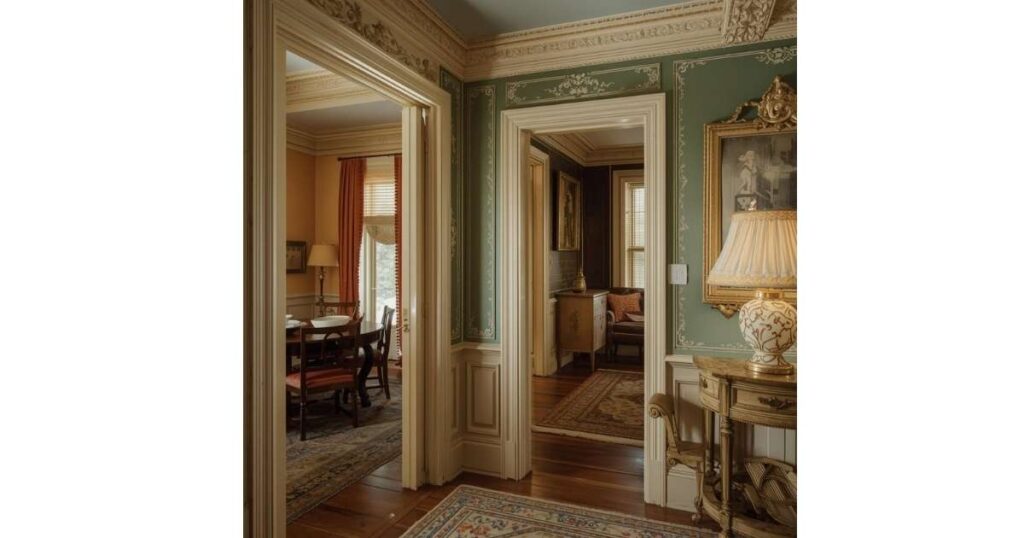
Vintage trim profiles, including dentil molding, egg-and-dart patterns, and rope molding, bring an antique sensibility to rustic interiors when used selectively. The key is restraint. One vintage-style crown in a dining room, or a single decorative panel mold in a study, adds history and depth without overwhelming the space.
Pair vintage trim in a natural or lightly distressed wood finish to prevent the look from feeling too formal, and always balance it with simpler profiles elsewhere in the room.
Useful items to consider:
- Dentil Crown Molding in Pine: a nod to classical architecture with a rustic wood finish
- Rope Molding Accent Trim: adds texture and vintage detail to mantels and cabinetry
- Egg-and-Dart Panel Molding: perfect as a framing detail in a study or reading room
Contrasting Trim Colors
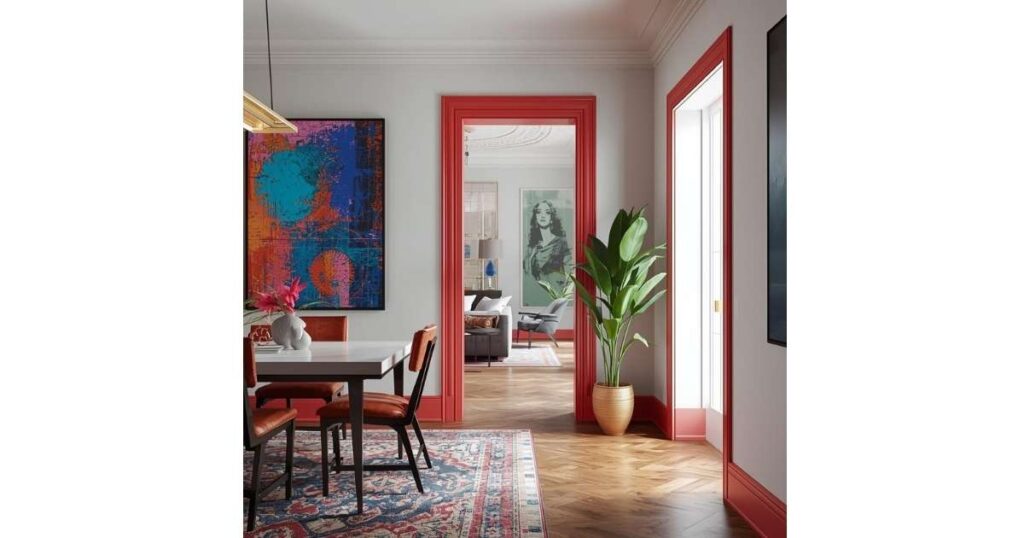
One of the simplest and most effective rustic design moves is painting trim in a color that contrasts with the wall. Dark walnut-stained trim against a soft white wall, or charcoal-painted trim against a warm tan, creates crisp, clean lines that frame every architectural element in the room.
This technique works especially well in open-plan spaces where visual boundaries help define zones without the need for physical partitions.
A few suggestions:
- Interior Wood Stain in Dark Walnut: deep, warm tone that contrasts beautifully with light walls
- Matte Black Trim Paint: modern and bold for a contemporary-rustic look
- Two-Tone Trim Paint Combination Set: helps test contrasting combinations before committing
Wooden Ceiling Trims
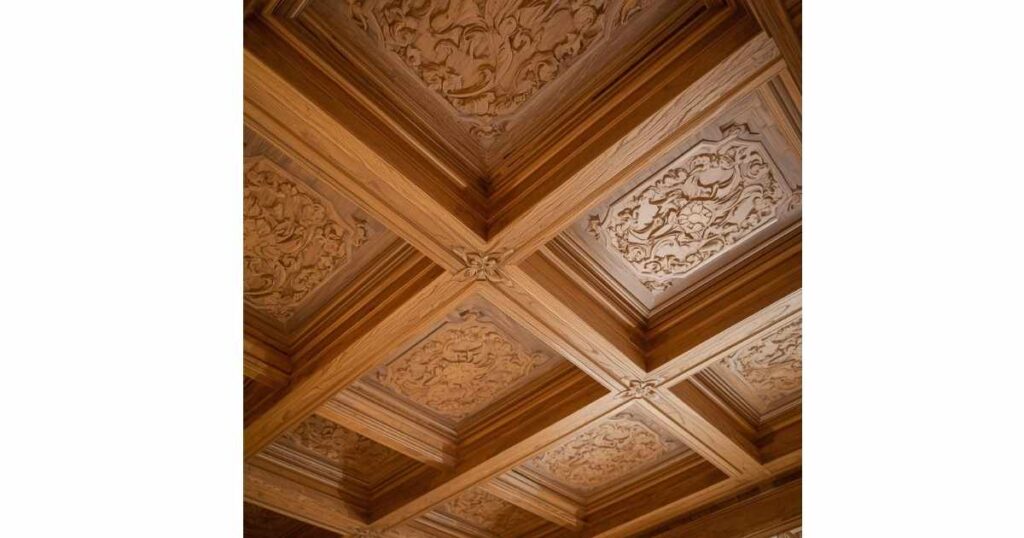
Ceiling trim in natural wood transforms an otherwise overlooked surface into a design feature. From simple wood planking on a flat ceiling to coffered panels framed by rustic beams, wooden ceiling trim adds warmth from above and makes a room feel finished on all six sides rather than just four.
Even a simple perimeter band of natural wood trim where the ceiling meets the wall, in lieu of traditional crown molding, creates a cabin-like coziness that painted drywall simply cannot achieve.
Items that may come in handy:
- Wood Plank Ceiling Panels: easy-install tongue-and-groove for full ceiling coverage
- Decorative Coffered Ceiling Beam Kit: frames ceiling sections for a formal rustic look
- Rustic Cedar Ceiling Border Trim: a lightweight perimeter detail that replaces painted crown
Trim with Built-in Lighting
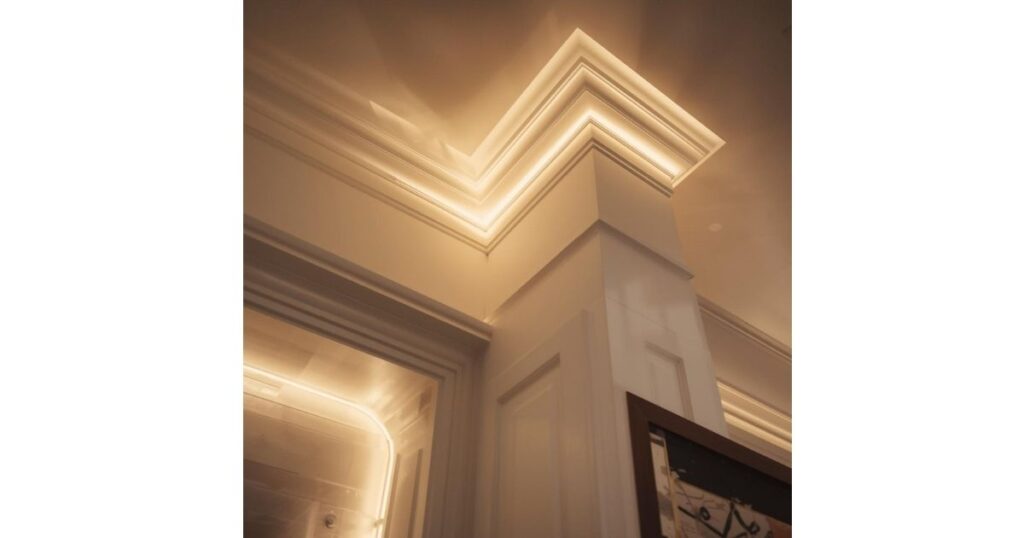
Combining trim molding with integrated lighting is a growing trend that works beautifully in rustic interiors. LED strip lights tucked behind crown molding or inside a recessed shelf trim create a warm glow that highlights the wood grain and adds ambient depth to the room.
This is a particularly effective technique in bedrooms and living rooms where you want layers of light rather than a single overhead fixture. The trim frames the light and diffuses it in a way that feels intimate and natural.
Some ideas to consider:
- LED Strip Light Kit for Crown Molding: simple peel-and-stick installation behind trim
- Recessed Shelf Trim with Light Channel: frames shelving with built-in ambient illumination
- Warm White LED Rope Lights: ideal for tucking behind rustic wood valances or beams
Natural Wood Finishes
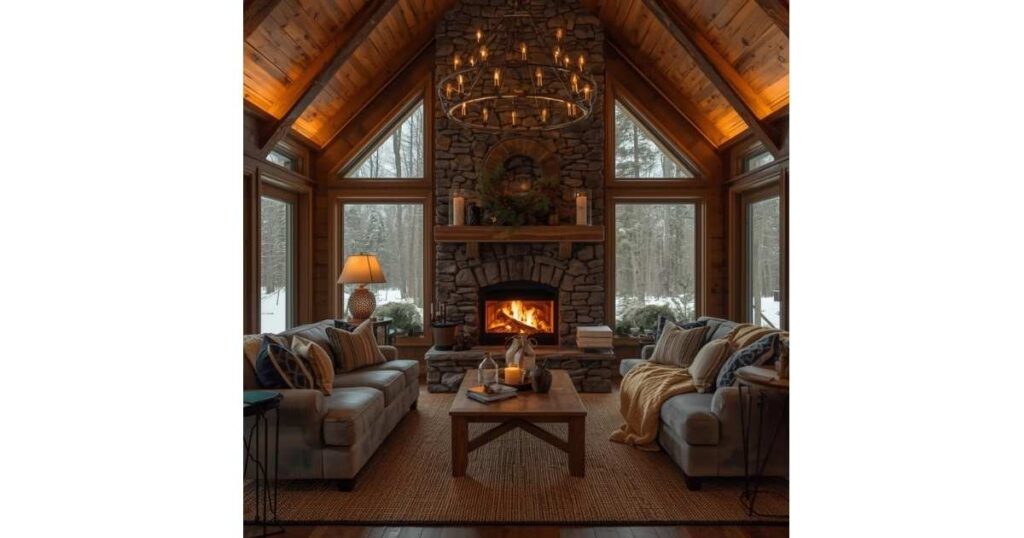
A beautiful piece of rustic trim deserves a finish that lets the wood speak for itself. Natural finishes, from matte sealers and oil-based penetrating finishes to hand-applied wax, protect the wood while preserving every grain line, knot, and color variation that makes it unique.
Avoid high-gloss polyurethane in rustic settings. It creates a plastic-looking barrier that negates the natural warmth you are trying to achieve. Instead, opt for a satin or flat sheen sealer that feels like touching actual wood rather than a coated surface.
Consider these options:
- Matte Wood Sealer for Trim: protects natural wood without altering its appearance
- Penetrating Oil Finish: soaks into wood grain for deep, lasting protection and warmth
- Natural Beeswax Wood Polish: a traditional, non-toxic finish for raw or reclaimed trim
Wide Window Casings
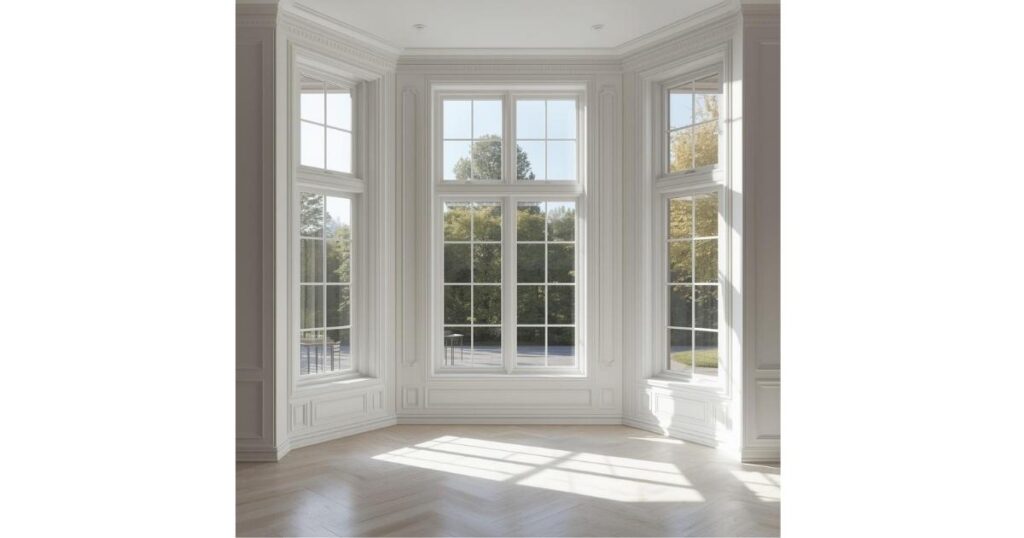
Wide window casings are one of the easiest upgrades you can make to transform the feel of any room. Where a standard 2.5-inch casing disappears into the wall, a 4- to 6-inch rustic casing in natural wood commands attention and frames the window as a true architectural feature.
Wider casings also draw the eye outward, pulling natural light into the room and making windows feel more generous than they actually are.
Might be a good match:
- Wide Plank Window Casing in Knotty Pine: bold and beautiful for farmhouse or cabin windows
- Farmhouse Window Casing Set: includes head, side, and sill pieces for a complete installation
- Decorative Window Molding Set: adds depth and visual interest around any standard window
Reclaimed Wood Accents
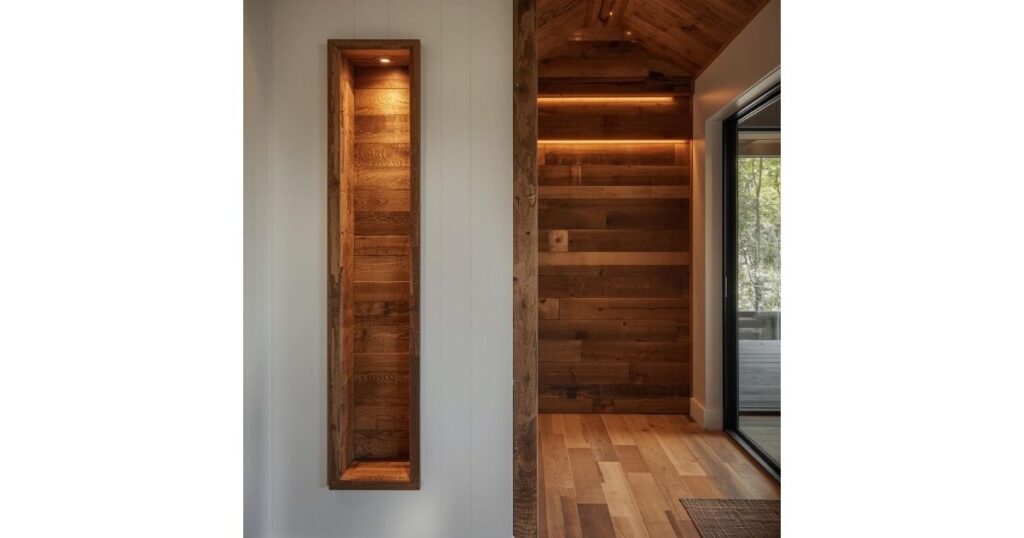
There is no material more authentically rustic than reclaimed wood. Salvaged from old barns, snow fences, industrial buildings, and demolished structures, reclaimed wood trim carries a history that newly milled lumber simply cannot replicate. Each board tells its own story through nail holes, weathering patterns, and color variations built up over decades of exposure.
Using reclaimed wood for trim accents, whether around a fireplace, along a stair riser, or framing a feature wall, is also a genuinely sustainable choice that supports responsible material sourcing.
Try these:
- Reclaimed Barnwood Trim Planks: authentic aged character for mantels, casings, and shelves
- Reclaimed Wood Trim Molding: sustainably sourced with a distinctive, weathered finish
- Rustic Wood Accent Panels: easy-to-install reclaimed wood for feature wall framing
Frequently Asked Questions
What is rustic trim molding?
Rustic trim molding refers to wood-based interior trim profiles featuring natural finishes, visible grain, knots, and textures that evoke a handcrafted, nature-inspired look rather than a polished or formal appearance.
What wood is best for rustic trim?
Knotty pine, cedar, reclaimed oak, and barnwood are the most popular choices because they retain natural character markings like knots and grain variation that define the rustic aesthetic.
Can I paint rustic trim molding?
Yes, but a natural stain or matte sealer typically looks better in rustic settings. Painting with a wash technique can soften the wood while still preserving some of its natural texture.
Is rustic trim expensive to install?
Not necessarily. Many rustic trim products, including faux beam covers and DIY shiplap kits, are budget-friendly and designed for beginner installation, making this style accessible for most homeowners.
Does rustic trim work in modern homes?
Absolutely. Rustic trim paired with clean-lined modern furniture and neutral walls creates a popular contemporary-rustic or modern farmhouse aesthetic that is both stylish and welcoming.
What is the difference between crown molding and other trim types?
Crown molding sits at the ceiling-wall junction and is primarily decorative, while baseboards run along the floor, casings frame windows and doors, and chair rails protect mid-wall surfaces. Each plays a distinct role in a complete rustic trim scheme.
Conclusion
Rustic trim molding is far more than a finishing detail. It is the thread that ties every element of an interior together, creating warmth, depth, and a sense of craftsmanship that modern materials rarely achieve on their own. Whether you are drawn to wide knotty pine baseboards, shiplap-framed walls, reclaimed wood ceiling accents, or layered crown molding profiles, there is a rustic trim approach that will suit your space, your budget, and your style.
Start with one room, choose a wood species and finish that speaks to you, and let the natural beauty of the material guide the rest of your decisions. Done thoughtfully, rustic trim molding is one of the highest-value upgrades you can make to any home.
